
24-Hour Houston ER with No Wait
Emergency Room for Head Injuries and Concussions
At Heights Emergency Room, we combine advanced technology with compassionate care to ensure the best outcomes for our patients. Here’s why residents of Houston trust us for emergency head injury care:
No wait, just care
Head injuries and concussions can range from mild discomfort to life-threatening conditions, requiring prompt evaluation and treatment. At Heights Emergency Room in Houston, we are committed to providing immediate and expert care for individuals experiencing head injuries or concussions. Our team of experienced emergency care professionals utilizes advanced diagnostic tools to assess your condition and ensure the best possible outcome.
Understanding Head Injuries and Concussions
Head injuries occur when there is trauma to the head or brain, which can result from falls, accidents, sports-related impacts, or other incidents. Concussions, a common type of head injury, are caused by a sudden jolt or blow to the head that disrupts brain function. While many concussions resolve with proper care, some may lead to long-term complications if not treated promptly.
Symptoms of Head Injuries and Concussions
Head injury symptoms can vary depending on the severity of the trauma. Common signs include:
Severe head injuries may also cause:
Preventing Head Injuries and Concussions
While not all head injuries can be prevented, taking precautions can significantly reduce the risk:
Your Health, Our Priority.
When to Visit Heights Emergency Room for Head Injuries
If you or someone you know experiences a head injury with any of the symptoms listed above, it’s crucial to seek immediate medical attention. At Heights Emergency Room, we provide 24/7 emergency care to evaluate and treat head injuries of all severities.
How Heights Emergency Room Treats Head Injuries and Concussions
Our emergency team follows a comprehensive approach to diagnosing and managing head injuries:
1. Rapid Evaluation: We begin with a thorough examination of symptoms, medical history, and details of the incident.
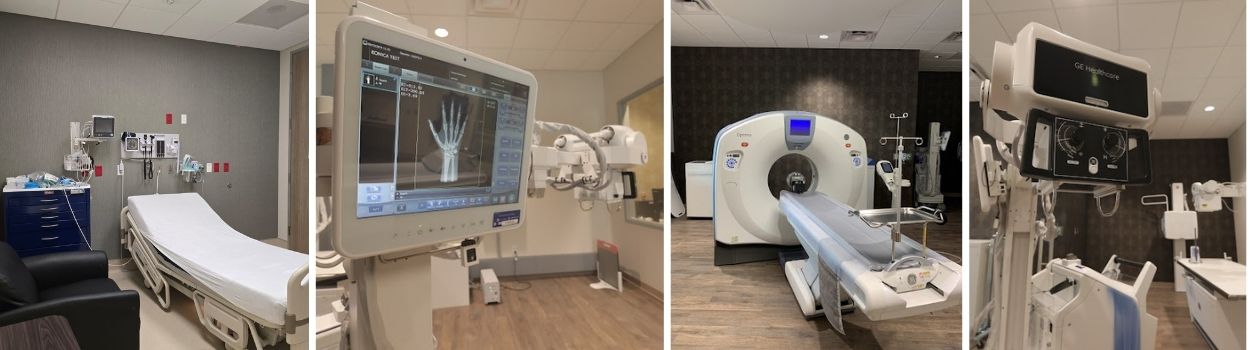
2. Advanced Imaging: CT scans, MRIs, and X-rays are used to detect fractures, bleeding, or brain swelling.
3. Monitoring and Treatment: Vital signs are closely monitored, and treatments may include pain relief, anti-inflammatory medications, or hospitalization for severe cases.
4. Rest and Recovery Guidance: For concussions, we provide detailed instructions on rest, activity limitations, and follow-up care to prevent further injury.
5. Specialist Referrals: If necessary, we coordinate with neurologists or neurosurgeons for specialized care.

Exceptional Emergency Care, 24/7
Your Neighborhood ER, Always Open.
Respiratory Infections
Fever
Abdominal Pain
Sprains & Strains
Chest Pain
Urinary Tract Infections
Influenza
Cuts & Wounds
Headaches / Migraines
Ear Pain & Infections
Dehydration
Strokes
Broken Bones
Pink Eye

Fast Care, No Wait