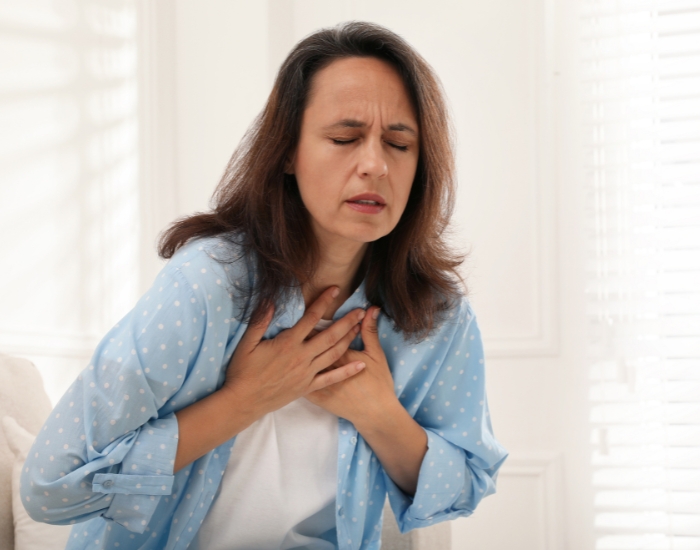
Few symptoms create as much immediate concern as left side chest pain. For many people, the first thought is a heart attack. While heart-related conditions are certainly one possible explanation, the reality is that chest pain on the left side can develop for many different reasons. Some causes are relatively minor and temporary, while others require urgent medical attention.
A sharp pain that lasts only a few seconds may have a completely different cause than a crushing pressure that spreads into the arm or jaw. Some individuals notice discomfort when taking a deep breath. Others experience chest tightness after eating, during exercise, or during periods of intense emotional stress. Because the chest contains the heart, lungs, major blood vessels, muscles, ribs, nerves, and part of the digestive system, identifying the exact source of pain is not always straightforward.
Many people search questions such as “what causes chest pain on the left side,” “why does my left chest hurt,” “is left side chest pain always a heart attack,” and “when should I go to the ER for chest pain.” Understanding the potential causes and warning signs can help people recognize when symptoms may require emergency evaluation.
Table of Contents
- Important Information Before Reading
- What Causes Chest Pain on the Left Side?
- Heart-Related Causes of Left Side Chest Pain
- Could It Be a Heart Attack?
- Non-Heart Causes of Left Side Chest Pain
- Muscle and Rib Pain
- Lung-Related Causes
- Digestive Causes of Chest Pain
- Can Anxiety Cause Left Side Chest Pain?
- When Should Chest Pain Be Taken Seriously?
- How Doctors Diagnose Left Side Chest Pain
- Treatment Options
- Emergency Chest Pain Care in Houston
- Frequently Asked Questions
Important Note
Chest pain can range from a mild and temporary discomfort to a symptom of a life-threatening emergency. Understanding the possible causes, associated symptoms, and warning signs can help individuals recognize when immediate medical attention may be necessary. Early recognition of serious symptoms may reduce the risk of complications and improve treatment outcomes.
What Causes Chest Pain on the Left Side?
The most direct answer is that left side chest pain can originate from the heart, lungs, digestive system, muscles, ribs, nerves, or even emotional stress. Because so many structures are located in or near the chest, the sensation of pain may come from multiple sources.
Some causes are considered medical emergencies. Others may cause significant discomfort but are not immediately dangerous. The challenge is that symptoms sometimes overlap. A heart attack can cause pressure, tightness, or burning sensations. Acid reflux can create a similar burning feeling. Muscle strain may feel sharp and localized, while anxiety can create chest tightness that mimics more serious conditions.
This overlap is one reason emergency physicians do not rely on symptoms alone when evaluating chest pain. The location, timing, severity, associated symptoms, medical history, and diagnostic testing all help determine the underlying cause.
Heart-Related Causes of Left Side Chest Pain
Whenever someone experiences pain on the left side of the chest, healthcare providers carefully consider heart-related causes first. While not every episode of chest pain is cardiac in nature, ruling out potentially dangerous heart conditions is a priority.
The heart sits slightly left of center in the chest, making cardiac pain one of the most important considerations. Heart-related chest pain often develops because the heart muscle is not receiving enough oxygen-rich blood or because inflammation affects structures surrounding the heart.
Coronary Artery Disease
Coronary artery disease occurs when plaque builds up inside the arteries that supply blood to the heart. As these arteries narrow, blood flow may become restricted, especially during physical activity or emotional stress.
People often describe the discomfort as pressure, squeezing, heaviness, or tightness rather than a sharp pain. The sensation may spread into the left arm, shoulder, neck, jaw, or upper back. Some individuals also experience shortness of breath, nausea, dizziness, or unusual fatigue.
Angina
Angina is chest discomfort caused by reduced blood flow to the heart. It is not a disease itself but rather a symptom of underlying heart problems. Angina frequently appears during exercise, emotional stress, or other situations that increase the heart’s workload.
Unlike a heart attack, angina often improves with rest. However, worsening or unstable angina should never be ignored because it may indicate an increased risk of a future heart attack.
Pericarditis
Pericarditis involves inflammation of the sac surrounding the heart. This condition can produce sharp chest pain that sometimes worsens when lying down and improves when sitting forward.
The pain may feel different from typical heart attack symptoms, but medical evaluation is still important because inflammation around the heart can sometimes lead to complications.
Myocarditis
Myocarditis is inflammation of the heart muscle itself. Viral infections are among the more common causes, although other medical conditions may contribute.
Symptoms can include chest pain, shortness of breath, fatigue, irregular heart rhythms, and reduced exercise tolerance. Because myocarditis affects the heart directly, professional evaluation is essential whenever symptoms raise concern.
Could It Be a Heart Attack?
One of the most common reasons people search for information about left side chest pain is concern about a possible heart attack. While not all chest pain indicates a heart attack, this possibility should always be considered, particularly when symptoms are severe, persistent, or accompanied by other warning signs.
A heart attack occurs when blood flow to part of the heart muscle becomes blocked. Without prompt treatment, heart tissue can become damaged.
Common Heart Attack Symptoms
Heart attack symptoms can vary from person to person. Some individuals experience the classic crushing chest pressure often portrayed in movies. Others notice more subtle symptoms.
- Pressure, squeezing, or fullness in the chest
- Pain spreading to the left arm, shoulder, neck, jaw, or back
- Shortness of breath
- Cold sweats
- Nausea or vomiting
- Dizziness or lightheadedness
- Unexplained fatigue
- A feeling that something is seriously wrong
Women, older adults, and individuals with diabetes sometimes experience less typical symptoms. Instead of severe chest pain, they may report fatigue, nausea, shortness of breath, dizziness, or unusual weakness.
One important misconception is that heart attack pain must be dramatic. In reality, some heart attacks begin with mild discomfort that gradually worsens over time.
Chest Pain and Left Arm Pain Together
Many people ask whether chest pain and left arm pain automatically mean a heart attack. The answer is no, but this combination deserves attention.
When heart-related pain radiates into the left arm, shoulder, neck, or jaw, it can indicate that the heart is involved. Although other conditions can also cause arm discomfort, chest pain accompanied by radiating arm pain should never be dismissed without proper evaluation.
When a Heart Attack Is More Likely
The likelihood of a heart attack increases when chest pain occurs alongside shortness of breath, sweating, nausea, dizziness, fainting, or significant risk factors such as smoking, diabetes, high blood pressure, high cholesterol, obesity, or a family history of heart disease.
Age can also influence risk, although heart attacks can occur in younger adults as well.

Non-Heart Causes of Left Side Chest Pain
Although heart-related conditions often receive the most attention, many episodes of left side chest pain are ultimately linked to non-cardiac causes. These conditions can still be painful and concerning, but they may involve entirely different parts of the body.
Understanding these possibilities helps explain why chest pain should never be self-diagnosed based solely on location.
Muscle and Rib Pain
One of the most common non-cardiac causes of left side chest pain involves the muscles, bones, and connective tissues of the chest wall.
A strained chest muscle may develop after heavy lifting, intense exercise, repetitive movements, coughing, or even unusual physical activity. The pain is often localized, meaning it can be pointed to with one finger. Movement, stretching, twisting, or pressing on the area may make symptoms worse.
Costochondritis, an inflammation of the cartilage connecting the ribs to the breastbone, can also produce significant chest discomfort. Some patients become alarmed because the pain can mimic heart-related symptoms. However, costochondritis often becomes more noticeable when pressure is applied to the affected area.
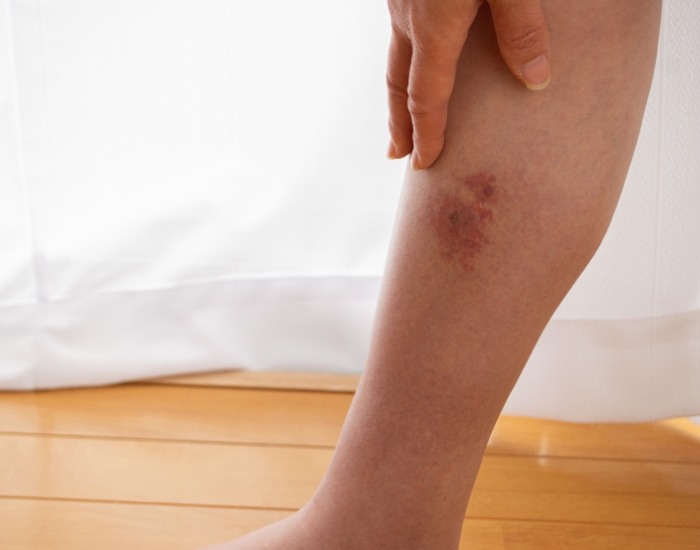
Rib injuries, bruising, or minor fractures can create sharp pain that worsens with movement, deep breathing, coughing, or sneezing.
Lung-Related Causes of Left Side Chest Pain
The lungs occupy a large portion of the chest cavity, so it is not surprising that certain lung conditions can cause pain on the left side of the chest. In some cases, the discomfort may feel sharp and sudden. In others, it may be accompanied by coughing, breathing difficulty, or a sensation of chest tightness.
One important clue is whether the pain changes during breathing. Many lung-related conditions become more noticeable when taking a deep breath, coughing, sneezing, or moving the chest wall.
Pleurisy
Pleurisy occurs when the thin membranes that surround the lungs become inflamed. Because these membranes rub against one another during breathing, inflammation can create a sharp, stabbing sensation that often worsens with deep breaths.
People commonly describe pleurisy as a pain that feels significantly worse when inhaling deeply. Viral infections, bacterial infections, autoimmune conditions, and other medical issues may contribute to this condition.
Pneumonia
Pneumonia is an infection of the lungs that can sometimes cause chest pain, especially when the infection affects the lining around the lungs.
In addition to chest discomfort, symptoms often include:
- Fever
- Chills
- Cough
- Shortness of breath
- Fatigue
- Difficulty breathing during activity
Older adults may not always develop classic symptoms, which can make diagnosis more challenging.
Pulmonary Embolism
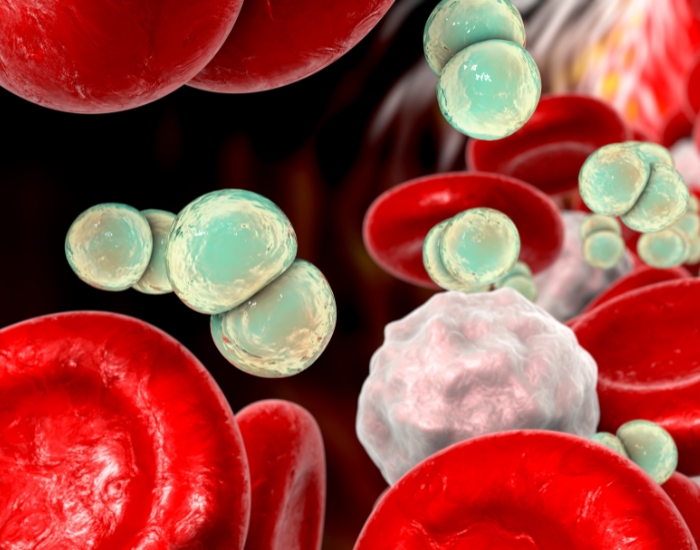
A pulmonary embolism occurs when a blood clot blocks one of the arteries in the lungs. This condition is considered a medical emergency because it can rapidly affect oxygen levels and circulation.
Symptoms may include:
- Sudden chest pain
- Pain that worsens with breathing
- Shortness of breath
- Rapid heartbeat
- Dizziness
- Coughing up blood in some cases
A pulmonary embolism can sometimes be mistaken for less serious causes of chest pain. Because of its potentially life-threatening nature, emergency evaluation is essential when symptoms raise concern.
Pneumothorax
A pneumothorax, commonly called a collapsed lung, happens when air collects between the lung and chest wall. This can occur after trauma, lung disease, or sometimes without an obvious cause.
The pain is often sudden, sharp, and accompanied by shortness of breath. Larger pneumothoraces may require urgent medical treatment.
Digestive Causes of Chest Pain
Many people are surprised to learn that digestive problems can create symptoms that closely resemble heart-related chest pain. Because the esophagus and stomach sit close to the chest cavity, discomfort from these structures can sometimes be felt in the left side of the chest.
Acid Reflux
Acid reflux is among the most common causes of non-cardiac chest discomfort. When stomach acid travels upward into the esophagus, it can create a burning sensation often referred to as heartburn.
People frequently describe symptoms as:
- Burning chest pain
- A sour taste in the mouth
- Pain after eating
- Symptoms that worsen while lying down
- A sensation of food coming back up
Because heartburn can sometimes mimic heart attack symptoms, first-time or severe chest pain should not automatically be assumed to be acid reflux.
Esophageal Spasms
The esophagus contains muscles that move food toward the stomach. When these muscles contract abnormally, intense chest pain may occur.
Some people describe esophageal spasms as crushing or squeezing pain that can feel remarkably similar to cardiac discomfort. Diagnostic testing may be needed to distinguish between the two.
Hiatal Hernia
A hiatal hernia develops when part of the stomach pushes upward through the diaphragm. This condition may contribute to acid reflux, chest pressure, upper abdominal discomfort, and burning sensations in the chest.
Symptoms often worsen after large meals or when lying flat.
Important Note
Not every episode of left side chest pain indicates a life-threatening emergency. Muscle strain, acid reflux, anxiety, and minor inflammatory conditions are common causes of chest discomfort. However, symptoms involving severe pain, breathing difficulty, dizziness, fainting, or radiation into the arm or jaw should never be ignored. Self-diagnosis can be risky because several serious conditions initially resemble less dangerous problems.
Can Anxiety Cause Left Side Chest Pain?
One of the most searched questions online is whether anxiety can cause chest pain. The answer is yes. Anxiety and panic attacks can create very real physical symptoms, including chest tightness, chest pressure, rapid heartbeat, dizziness, sweating, and shortness of breath.
During periods of intense stress, the body’s fight-or-flight response becomes activated. This response can increase muscle tension, breathing rate, and heart rate, creating sensations that may feel alarming.
Many individuals experiencing a panic attack become convinced they are having a heart attack because the symptoms can be remarkably similar.
Common anxiety-related chest symptoms include:
- Tightness across the chest
- Sharp chest discomfort
- Rapid heartbeat
- Feeling unable to take a full breath
- Dizziness
- Tingling sensations
- Sweating
- Feelings of fear or impending doom
Although anxiety can cause chest pain, it is important not to assume anxiety is responsible for symptoms without appropriate medical evaluation, especially when symptoms are new, severe, or unusual.
When Should Chest Pain Be Taken Seriously?
One of the most important questions people ask is: “When should I worry about chest pain?”
While mild, brief, or clearly explainable discomfort may not always indicate an emergency, certain warning signs should prompt immediate medical evaluation.
Seek Emergency Care If Chest Pain Is Accompanied By:
- Shortness of breath
- Pain spreading into the arm, shoulder, neck, jaw, or back
- Sudden sweating
- Dizziness or fainting
- Nausea or vomiting
- Confusion
- Rapid or irregular heartbeat
- Severe weakness
- Loss of consciousness
- Difficulty breathing
Chest pain that begins suddenly, feels severe, or continues to worsen over time should always be treated seriously.
Individuals with risk factors such as diabetes, smoking history, high blood pressure, elevated cholesterol, obesity, or known heart disease should be especially cautious when new chest symptoms develop.
How Doctors Diagnose Left Side Chest Pain
Diagnosing chest pain involves much more than simply asking where it hurts. Emergency physicians evaluate the entire clinical picture to determine whether symptoms may be related to the heart, lungs, digestive system, musculoskeletal structures, or another cause.
The evaluation often begins with questions about:
- When symptoms started
- How long symptoms have lasted
- What the pain feels like
- Whether symptoms radiate elsewhere
- Activities occurring before symptoms began
- Personal medical history
- Family history of heart disease
Diagnostic Testing May Include
- Electrocardiogram (EKG)
- Blood tests
- Cardiac enzyme testing
- Chest X-rays
- CT scans
- Echocardiograms
- Cardiac monitoring
- Oxygen level monitoring
The purpose of testing is not simply to identify the source of pain but also to rule out potentially dangerous conditions that require immediate treatment.
Treatment Options for Left Side Chest Pain
Treatment depends entirely on the underlying cause. Because chest pain can result from many different conditions, there is no single treatment approach that works for every patient.
Heart-related conditions may require medications, cardiac procedures, monitoring, or hospitalization. Lung conditions may require oxygen therapy, antibiotics, blood thinners, or other interventions depending on the diagnosis.
Muscle-related pain often improves with rest and appropriate medical management. Digestive causes may respond to treatments that reduce stomach acid or address esophageal irritation. Anxiety-related symptoms may improve once serious medical causes have been excluded and appropriate support is provided.
The key point is that effective treatment begins with an accurate diagnosis.
Related Symptoms That May Require Emergency Evaluation
Chest pain often occurs alongside other symptoms that can provide important clues about the underlying cause.
Readers may also benefit from learning about related emergency symptoms, including:
- Why Is My Left Arm Hurting?
- Why Is My Heart Beating Fast While Resting?
- When Should I Worry About Heart Palpitations?
- What Does a Mini Stroke Feel Like?
- When Should I Go to the ER for a Headache?
- Can High Blood Pressure Cause Headaches?
- Why Am I So Dizzy All of a Sudden?
Emergency Chest Pain Care in Houston at Heights Emergency Room
Chest pain is one of the most common reasons people seek emergency medical care, and for good reason. While some causes are relatively minor, others involve potentially life-threatening conditions that require immediate evaluation and treatment.
If left side chest pain is accompanied by shortness of breath, dizziness, fainting, sweating, nausea, arm pain, jaw pain, confusion, or difficulty breathing, emergency evaluation should not be delayed.
Many Houston-area residents search for phrases such as:
- ER for chest pain near me
- 24-hour emergency room in Houston
- when should I go to the ER for chest pain
- left side chest pain emergency
- heart attack symptoms Houston
- emergency room for chest pressure
- chest pain and shortness of breath treatment
Heights Emergency Room provides 24/7 emergency care for adults and children experiencing chest pain, breathing difficulties, dizziness, heart-related symptoms, and other urgent medical concerns.
Emergency physicians can rapidly evaluate chest pain using advanced diagnostic testing, laboratory studies, cardiac monitoring, imaging, and other emergency services when necessary.
When symptoms feel severe, unusual, or concerning, seeking prompt medical attention may help identify serious conditions before complications develop.
Walk in 24 hours a day, 7 days a week for emergency evaluation and treatment.
Frequently Asked Questions
What causes chest pain on the left side?
Left side chest pain can be caused by heart conditions, lung disorders, acid reflux, muscle strain, rib inflammation, anxiety, digestive problems, infections, or other medical conditions. The exact cause often depends on the type of pain, associated symptoms, and medical history.
Is left side chest pain always a heart attack?
No. Many episodes of left side chest pain are caused by conditions unrelated to a heart attack. However, because heart attacks can present in different ways, chest pain should never be dismissed without considering potentially serious causes.
What does heart attack chest pain feel like?
Heart attack pain is often described as pressure, squeezing, heaviness, fullness, or tightness in the chest. It may spread into the left arm, jaw, shoulder, neck, or upper back and may occur alongside sweating, nausea, dizziness, or shortness of breath.
Can anxiety cause pain on the left side of the chest?
Yes. Anxiety and panic attacks can create chest tightness, chest pressure, rapid heartbeat, dizziness, sweating, and breathing changes that sometimes mimic heart-related conditions.
Why does my left chest hurt when I take a deep breath?
Pain that worsens with deep breathing may be related to pleurisy, lung infections, chest wall inflammation, muscle strain, rib injuries, pulmonary embolism, or other conditions affecting the lungs and surrounding tissues.
Can acid reflux cause left side chest pain?
Yes. Acid reflux and gastroesophageal reflux disease (GERD) can produce burning chest discomfort that sometimes feels similar to heart-related pain. Symptoms often worsen after meals or when lying down.
What causes sharp pain under the left breast?
Sharp pain under the left breast may be caused by muscle strain, rib inflammation, nerve irritation, digestive problems, lung conditions, or other chest wall issues. Occasionally, more serious medical conditions may also produce pain in this area.
When should I go to the ER for chest pain?
Emergency evaluation is recommended when chest pain is severe, persistent, worsening, or accompanied by symptoms such as shortness of breath, sweating, dizziness, fainting, arm pain, jaw pain, confusion, or difficulty breathing.
Can chest pain come from a pulled muscle?
Yes. Pulled muscles and chest wall injuries are common causes of localized chest pain. The discomfort often becomes worse with movement, stretching, coughing, or pressing on the affected area.
Can pneumonia cause chest pain?
Yes. Pneumonia may cause chest discomfort, especially when inflammation affects tissues surrounding the lungs. Fever, cough, fatigue, and breathing difficulties often occur alongside the pain.
Can chest pain be caused by stress?
Stress can contribute to muscle tension, anxiety, elevated heart rate, and other physical responses that create chest discomfort. However, new or concerning chest pain should always be evaluated appropriately.
What causes chest pain and left arm pain together?
Chest pain that radiates into the left arm may occur with heart-related conditions, including angina and heart attacks. Although other causes exist, this symptom combination should be taken seriously.
Why does my chest hurt after eating?
Chest pain after eating may result from acid reflux, esophageal spasms, hiatal hernia, indigestion, or other digestive conditions. In some situations, however, cardiac conditions can also be triggered after meals.
Can dehydration cause chest discomfort?
Severe dehydration can affect circulation, heart rate, blood pressure, and electrolyte balance, which may contribute to symptoms including chest discomfort, dizziness, weakness, or palpitations.
What tests are done for chest pain in the emergency room?
Emergency evaluation may include an EKG, blood tests, cardiac enzyme testing, chest imaging, oxygen monitoring, cardiac monitoring, CT scans, or other diagnostic studies depending on symptoms and risk factors.
Key Takeaways About Left Side Chest Pain
Left side chest pain is a symptom rather than a diagnosis. The discomfort may originate from the heart, lungs, digestive system, chest wall, muscles, nerves, or emotional stress. Some causes are relatively harmless and temporary, while others require immediate emergency treatment.
The location of the pain alone rarely provides enough information to determine the exact cause. Associated symptoms, risk factors, medical history, and diagnostic testing often play a critical role in identifying the underlying condition.
Although many episodes of chest pain are ultimately found to be non-cardiac, it is important not to assume that symptoms are harmless without appropriate evaluation. Heart attacks, pulmonary embolisms, severe infections, and other serious conditions can initially appear similar to more minor problems.
When chest pain occurs alongside shortness of breath, sweating, nausea, dizziness, fainting, confusion, arm pain, jaw pain, or difficulty breathing, immediate medical attention may be necessary.
Final Thoughts
If questions such as “what causes chest pain on the left side,” “why does my left chest hurt,” “is left side chest pain serious,” or “when should I worry about chest pain” have brought readers here, the most important takeaway is that chest pain should never be ignored when symptoms feel severe, unusual, persistent, or progressively worse.
Some causes of chest discomfort may resolve with simple treatment, while others require urgent medical intervention. Because it is often impossible to determine the exact cause without professional evaluation, seeking medical care when symptoms are concerning remains the safest approach.
Prompt assessment can help identify serious conditions early, provide appropriate treatment, and offer peace of mind when dangerous causes have been ruled out.
Disclaimer: This content is intended for educational purposes only and should not be used as a substitute for professional medical advice, diagnosis, or treatment. If symptoms are severe, worsening, or suggest a medical emergency, call 911 or seek immediate emergency medical care.