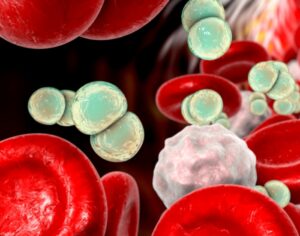
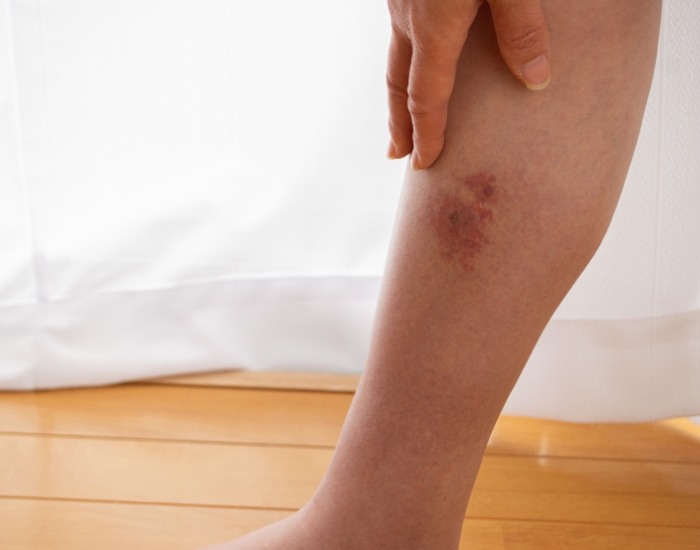
Many people first notice cellulitis as an area of red, swollen, painful skin that seems to appear suddenly or worsen over a short period of time. At first glance, it may look like a simple rash, insect bite, irritation, or minor skin infection. However, cellulitis is more than a surface skin problem. It is a bacterial infection that affects the deeper layers of the skin and the tissues beneath it.
People often search online for questions such as “what does cellulitis look like on the skin,” “how do I know if I have cellulitis,” “cellulitis infection symptoms,” or “when should I go to the ER for cellulitis.” These questions are important because cellulitis can spread quickly and may become serious if left untreated.
In many cases, cellulitis begins after bacteria enter through a cut, scrape, insect bite, surgical wound, cracked skin, or another break in the skin barrier. Once the infection develops, redness, warmth, swelling, and tenderness often begin to spread beyond the original injury site.
Important Note
Cellulitis often starts with symptoms that appear relatively minor. What may seem like simple skin irritation can sometimes progress into a deeper infection affecting larger areas of tissue. Understanding the warning signs early may help reduce the risk of complications, hospitalization, and more extensive treatment.
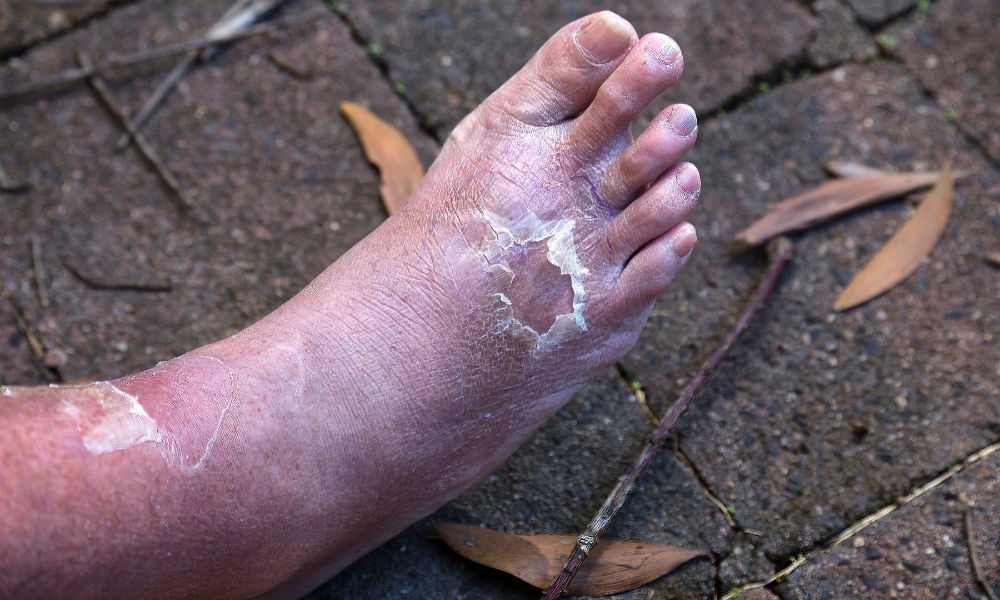
Table of Contents
- What Does Cellulitis Look Like on the Skin?
- Common Cellulitis Symptoms
- What Causes Cellulitis?
- Who Is Most at Risk?
- Where Does Cellulitis Usually Occur?
- How Quickly Can Cellulitis Spread?
- When Is Cellulitis an Emergency?
- How Doctors Diagnose Cellulitis
- How Cellulitis Is Treated
- Can Cellulitis Be Prevented?
- Emergency Cellulitis Care in Houston
- Frequently Asked Questions
What Does Cellulitis Look Like on the Skin?
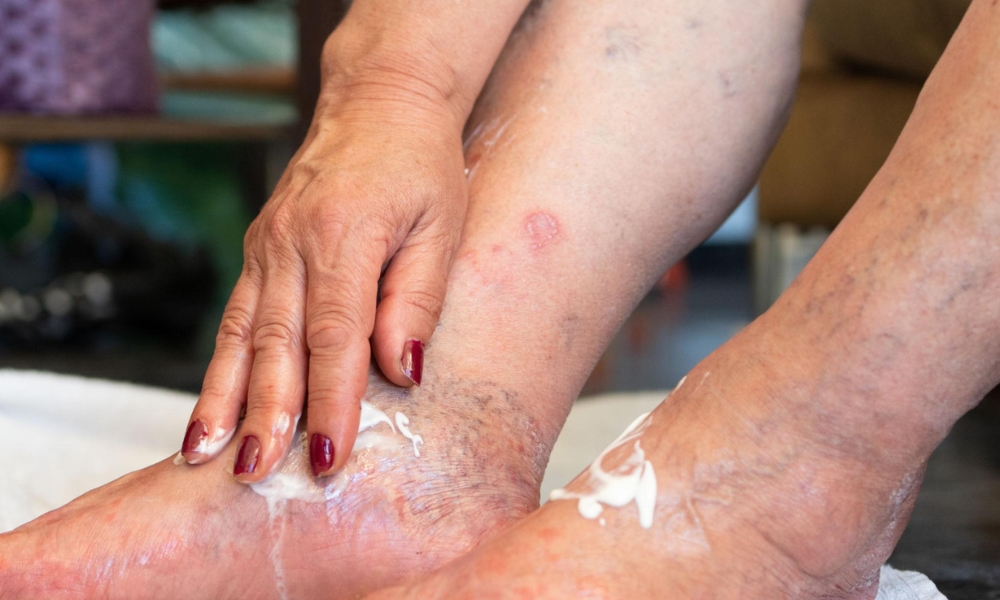
Cellulitis most commonly appears as a patch of skin that becomes noticeably red, swollen, warm, and tender. Unlike many rashes that remain confined to a specific area, cellulitis often spreads gradually outward as the infection progresses.
The affected skin may appear stretched, shiny, or tight due to swelling. In some cases, the borders of redness are easy to see, while in others the edges blend into surrounding skin.
Many people describe the area as feeling hot to the touch. Pain or tenderness often develops as inflammation increases.
Although cellulitis can occur anywhere on the body, it frequently affects the legs, feet, arms, hands, and face.
Early Signs of Cellulitis
- Redness around a wound or break in the skin
- Mild swelling
- Tenderness or soreness
- Warm skin
- Increasing discomfort
- Skin that appears irritated or inflamed
At this stage, symptoms may resemble a minor skin irritation, insect bite, or allergic reaction.
As Cellulitis Progresses
- Redness spreads outward
- Swelling increases
- Pain becomes more noticeable
- Skin feels hot
- Fever may develop
- Red streaks may appear
- Lymph nodes may become swollen
These signs often indicate that the infection is extending beyond the original site.
Common Cellulitis Symptoms
Cellulitis symptoms vary depending on the severity of the infection, the individual’s overall health, and how quickly treatment begins.
While skin changes are usually the most visible symptoms, cellulitis can also affect the entire body.
Common Symptoms Include:
- Red skin
- Swelling
- Pain or tenderness
- Warmth over the affected area
- Skin tightness
- Fever
- Chills
- Fatigue
- Body aches
- Swollen lymph nodes
As the infection becomes more severe, systemic symptoms may become increasingly noticeable.
Many patients report feeling ill even before the skin changes become dramatic.
What Causes Cellulitis?
Cellulitis develops when bacteria enter through a break in the skin. Even a small opening can allow bacteria to reach deeper tissues where infection begins.
The most common bacteria responsible for cellulitis include Streptococcus and Staphylococcus species.
Breaks in the skin that may lead to cellulitis include:
- Cuts and scrapes
- Insect bites
- Surgical wounds
- Animal bites
- Burns
- Skin ulcers
- Cracked skin
- Athlete’s foot
- Chronic skin conditions
Even injuries that seem minor may occasionally allow infection to develop.
Patients dealing with open wounds may also benefit from learning about emergency care for cuts and wounds, particularly if redness or swelling develops around an injury.
Who Is Most at Risk for Cellulitis?
Although cellulitis can affect anyone, certain factors increase the likelihood of developing this infection.
Risk Factors Include:
- Diabetes
- Poor circulation
- Chronic swelling of the legs
- Lymphedema
- Recent surgery
- Skin injuries
- Weakened immune system
- Obesity
- Chronic skin conditions
- Previous cellulitis infections
Individuals with chronic health conditions may experience more severe infections and may require closer medical monitoring.
People who have underlying circulation problems or swelling often experience recurrent episodes if risk factors are not addressed.
Where Does Cellulitis Usually Occur?
Cellulitis can occur almost anywhere on the body, but some locations are affected more frequently than others.
Common Areas Include:
- Lower legs
- Feet
- Ankles
- Hands
- Arms
- Face
- Around surgical incisions
The lower legs are among the most common sites because they are more prone to swelling, injuries, and circulation problems.
Facial cellulitis may require especially prompt evaluation because infection can spread near the eyes and other important structures.
Patients experiencing facial swelling along with signs of infection should seek medical evaluation without delay.
How Quickly Can Cellulitis Spread?
One of the reasons cellulitis is taken seriously is that the infection can spread surprisingly quickly.
Some cases worsen gradually over several days, while others progress significantly within a matter of hours.
Many patients first notice a small red area that expands noticeably by the next day. The redness may move beyond the original injury site, and swelling can become more pronounced.
As bacteria continue spreading through deeper tissues, additional symptoms such as fever, chills, fatigue, and worsening pain may develop.
Rapidly spreading redness should never be ignored.
Important Note
Not every area of red skin represents cellulitis. Allergic reactions, insect bites, eczema, contact dermatitis, and other skin conditions can sometimes appear similar. However, rapidly spreading redness, increasing pain, fever, or worsening swelling should be evaluated by a medical professional rather than self-diagnosed.

When Is Cellulitis an Emergency?
Many cases of cellulitis can be treated successfully when identified early. However, certain symptoms may indicate that the infection is becoming more severe or spreading beyond the skin.
Because cellulitis is a bacterial infection, delaying treatment may increase the risk of complications. In some situations, bacteria can enter the bloodstream or spread into deeper tissues, creating a medical emergency.
Warning Signs That Require Immediate Medical Attention
- Rapidly spreading redness
- Severe swelling
- High fever
- Chills or shaking
- Confusion
- Dizziness
- Difficulty breathing
- Severe pain
- Red streaks extending from the infected area
- Skin turning purple, black, or blistered
- Signs of sepsis
If redness expands significantly over a short period of time or symptoms worsen despite treatment, emergency evaluation may be necessary.
Patients who experience severe infection symptoms together with breathing difficulties, chest discomfort, or altered mental status should seek immediate medical care.
Can Cellulitis Cause Sepsis?
Yes. Although many cellulitis infections remain localized to the skin, severe infections can sometimes enter the bloodstream and trigger sepsis.
Sepsis is a life-threatening condition that occurs when the body’s response to infection begins affecting multiple organ systems.
While not every cellulitis infection leads to sepsis, the possibility is one reason doctors take spreading skin infections seriously.
Possible Signs of Sepsis
- Very high fever
- Low body temperature
- Rapid heartbeat
- Rapid breathing
- Confusion
- Extreme weakness
- Dizziness
- Low blood pressure
- Loss of consciousness
Anyone showing signs of sepsis requires immediate emergency evaluation.
The risk may be higher among older adults, people with weakened immune systems, individuals with diabetes, and patients with significant underlying medical conditions.
How Is Cellulitis Diagnosed?
Cellulitis is often diagnosed through a combination of physical examination, symptom history, and evaluation of the affected skin.
Doctors typically assess the size of the infected area, the degree of redness and swelling, the presence of fever, and whether symptoms are spreading.
In straightforward cases, the appearance of the skin may be enough to support the diagnosis.
However, additional testing may be recommended when symptoms are severe or when complications are suspected.
Diagnostic Tests May Include:
- Physical examination
- Blood tests
- Complete blood count (CBC)
- Inflammatory marker testing
- Blood cultures
- Ultrasound imaging
- CT scans in selected cases
- Wound cultures when drainage is present
Imaging may be particularly useful if doctors suspect an abscess, deeper infection, or another condition contributing to symptoms.
Conditions That Can Look Similar to Cellulitis
One reason cellulitis can be difficult for patients to identify is that several other skin conditions may resemble it.
Not every red or swollen area of skin is caused by bacterial infection.
Conditions Commonly Mistaken for Cellulitis
- Allergic reactions
- Contact dermatitis
- Insect bites
- Eczema
- Venous stasis dermatitis
- Blood clots in the leg
- Shingles
- Fungal infections
- Drug reactions
Because treatment differs significantly between these conditions, obtaining an accurate diagnosis is important.
For example, a blood clot in the leg may cause redness, warmth, swelling, and pain that resemble cellulitis. Likewise, certain allergic reactions can produce significant redness and swelling without infection.
Professional evaluation helps determine the true cause of symptoms.
How Is Cellulitis Treated?
Treatment depends on the severity of the infection, the patient’s overall health, and whether complications are present.
Most uncomplicated cellulitis cases respond well to antibiotic treatment when started early.
However, more serious infections may require intravenous medications, observation, or hospitalization.
Common Treatment Approaches
- Oral antibiotics
- Intravenous antibiotics
- Pain management
- Wound care
- Elevation of affected limbs
- Treatment of underlying conditions
- Drainage of abscesses when necessary
Many patients begin noticing improvement within several days of starting appropriate treatment. However, complete recovery may take longer depending on the extent of infection.
Even when symptoms improve, prescribed antibiotics should generally be completed unless otherwise directed by a healthcare provider.
What Happens If Cellulitis Is Left Untreated?
Untreated cellulitis can continue spreading through the skin and surrounding tissues.
As the infection advances, complications become more likely.
Possible Complications Include:
- Abscess formation
- Recurrent cellulitis
- Lymphatic system damage
- Chronic swelling
- Tissue destruction
- Bloodstream infection
- Sepsis
- Hospitalization
Fortunately, early diagnosis and treatment significantly reduce the risk of these complications.
Patients who notice worsening redness, swelling, fever, or increasing pain should not assume symptoms will resolve on their own.
Can Cellulitis Come Back?
Yes. Some individuals experience recurrent cellulitis infections.
This is especially common among people with chronic leg swelling, diabetes, circulation problems, lymphedema, or recurring skin injuries.
Each episode can potentially damage lymphatic drainage pathways, which may increase future risk.
Addressing underlying conditions and practicing proper skin care can help lower the chances of recurrence.
Ways to Reduce Recurrence Risk
- Prompt wound care
- Managing chronic swelling
- Treating athlete’s foot and fungal infections
- Controlling diabetes
- Maintaining healthy skin hydration
- Avoiding skin injuries when possible
- Seeking treatment for early symptoms
Individuals who have experienced cellulitis previously should be particularly attentive to new skin changes.
Cellulitis in Children
Children can develop cellulitis just as adults can. Scrapes, insect bites, playground injuries, and minor cuts often provide an entry point for bacteria.
Parents may first notice redness that seems to worsen rapidly over a day or two.
Fever, irritability, swelling, and tenderness may accompany the infection.
Children with rapidly spreading redness, facial cellulitis, high fever, or worsening symptoms should receive prompt medical evaluation.
Families seeking care for younger patients may also benefit from learning about pediatric emergency services available for urgent medical concerns.
Cellulitis in Older Adults
Older adults may face a higher risk of complications from cellulitis due to age-related changes in circulation, immune function, and underlying health conditions.
In some cases, symptoms may present differently. Instead of obvious fever, an older adult may experience weakness, confusion, decreased appetite, or worsening mobility.
Because infections may progress more rapidly in vulnerable populations, prompt evaluation is especially important.
Healthcare providers often maintain a lower threshold for recommending emergency evaluation when cellulitis develops in older adults with significant medical conditions.
Can Cellulitis Be Prevented?
While not every case of cellulitis can be prevented, many infections occur after bacteria enter through damaged skin. Taking steps to protect the skin barrier and address minor injuries promptly can significantly reduce the risk.
Prevention becomes especially important for individuals who have experienced cellulitis previously or who have conditions that increase susceptibility to skin infections.
Ways to Help Prevent Cellulitis
- Clean cuts and scrapes promptly
- Keep wounds covered while healing
- Monitor injuries for signs of infection
- Treat athlete’s foot and fungal infections
- Moisturize dry or cracked skin
- Manage diabetes carefully
- Wear protective footwear outdoors
- Avoid scratching insect bites
- Control chronic swelling in the legs
- Seek medical care for worsening skin changes
Simple preventive measures can often stop bacteria from gaining access to deeper tissues.
People who experience repeated infections should discuss long-term prevention strategies with their healthcare provider.
Important Note
Cellulitis is usually highly treatable when recognized early. However, infections that continue spreading, cause fever, produce severe pain, or create systemic symptoms deserve prompt medical attention. Early treatment often leads to faster recovery and may help prevent serious complications.
Can Cellulitis Affect the Face?
Yes. Facial cellulitis is considered particularly concerning because the infection occurs near the eyes, brain, and other important structures.
Even a small infection around the nose, cheek, eyelid, or forehead can sometimes spread more rapidly than cellulitis in other areas of the body.
Patients with facial cellulitis often notice redness, swelling, warmth, tenderness, and sometimes fever.
Swelling around the eyes should never be ignored, especially if vision changes, severe pain, or difficulty moving the eye develops.
Warning Signs of Severe Facial Cellulitis
- Swelling around the eye
- Eye pain
- Vision changes
- High fever
- Rapidly worsening redness
- Severe headache
- Confusion
These symptoms may require urgent medical evaluation and treatment.
Can Cellulitis Cause Severe Pain?
Yes. Although some infections begin with mild discomfort, cellulitis can become quite painful as inflammation increases.
Patients frequently describe the affected area as sore, throbbing, tender, or burning.
Severe pain that seems disproportionate to the visible skin findings should be taken seriously.
In rare situations, extreme pain may signal a more aggressive infection involving deeper tissues.
Individuals experiencing severe pain may also benefit from learning when to seek care at an emergency room for severe pain, especially when symptoms continue worsening.
Can Cellulitis Cause Fever and Chills?
Absolutely. Fever and chills are common signs that the body is mounting an immune response against an infection.
While mild cellulitis may remain limited to the skin, more significant infections often trigger systemic symptoms.
Common infection-related symptoms include:
- Fever
- Chills
- Fatigue
- Body aches
- Weakness
- General feeling of illness
When fever accompanies rapidly spreading redness or significant swelling, prompt medical evaluation is recommended.
Patients who develop high fever may also benefit from information regarding emergency evaluation for fever symptoms.
When Should Cellulitis Be Evaluated in the Emergency Room?
Not every cellulitis infection requires emergency care. However, certain situations increase the need for immediate medical evaluation.
Emergency physicians assess whether the infection remains localized or whether it may be spreading into deeper tissues or affecting the body’s overall health.
Consider Emergency Evaluation If:
- Redness is spreading rapidly
- High fever develops
- Severe swelling occurs
- Pain becomes intense
- Red streaks appear
- Confusion develops
- Dizziness or fainting occurs
- The infection involves the face or eyes
- Symptoms worsen despite antibiotics
- Underlying health conditions increase risk
Patients with diabetes, immune suppression, or circulation disorders may require earlier evaluation because complications can develop more quickly.
Individuals who experience cellulitis together with symptoms such as severe illness, dehydration, or weakness may also benefit from learning about emergency care for dehydration and serious infections.
Related Conditions That May Occur Alongside Cellulitis
Cellulitis can sometimes occur in conjunction with other medical problems. Understanding these related conditions may help patients recognize when additional evaluation is needed.
- Cuts and wound infections
- Abdominal pain caused by infection-related complications
- Chest pain and systemic infection concerns
- Urinary tract infections and bacterial illnesses
- Emergency diagnosis and treatment services
Although these conditions are separate medical issues, they highlight the importance of recognizing serious symptoms early and seeking appropriate care.
Emergency Cellulitis Care in Houston
If redness, swelling, warmth, pain, fever, or signs of a spreading skin infection develop, prompt medical evaluation may help prevent complications.
Many patients search online for terms such as “cellulitis infection treatment near me,” “what does cellulitis look like on the skin,” “emergency care for cellulitis,” “cellulitis with fever,” and “when should I go to the ER for cellulitis.”
Heights Emergency Room provides 24/7 emergency evaluation and treatment for cellulitis, skin infections, wound infections, fever, severe swelling, and other urgent medical conditions.
Emergency physicians can perform diagnostic testing, laboratory evaluation, imaging studies when necessary, intravenous antibiotics, and treatment for complications associated with serious skin infections.
Walk in anytime if cellulitis symptoms are spreading rapidly, causing severe pain, producing fever, or showing signs of worsening infection.
Frequently Asked Questions
What does cellulitis look like on the skin?
Cellulitis typically appears as a red, swollen, warm, and painful area of skin. The redness often spreads gradually and may become increasingly tender over time.
What are the most common cellulitis symptoms?
Common symptoms include redness, swelling, warmth, tenderness, pain, fever, chills, fatigue, and enlarged lymph nodes.
Can cellulitis go away without antibiotics?
Cellulitis is a bacterial infection and often requires antibiotic treatment. Delaying treatment may increase the risk of complications.
How quickly does cellulitis spread?
Some cases spread gradually over several days, while others worsen significantly within hours. Rapidly spreading redness should be medically evaluated.
Can cellulitis cause fever?
Yes. Fever is a common symptom, particularly when the infection becomes more extensive.
Is cellulitis contagious?
Cellulitis itself is generally not considered contagious through casual contact. However, the bacteria causing the infection can sometimes spread under certain circumstances.
What causes cellulitis infection?
Cellulitis occurs when bacteria enter through a break in the skin, such as a cut, scrape, insect bite, surgical wound, or cracked skin.
When should I go to the ER for cellulitis?
Emergency evaluation may be necessary if redness spreads rapidly, fever develops, severe pain occurs, facial swelling is present, symptoms worsen despite treatment, or signs of sepsis appear.
Can cellulitis become serious?
Yes. Untreated cellulitis can spread into deeper tissues, enter the bloodstream, and potentially lead to serious complications such as sepsis.
Can cellulitis come back?
Yes. Some individuals experience recurrent cellulitis, particularly if underlying risk factors such as diabetes, chronic swelling, or circulation problems are present.
Final Thoughts
Cellulitis is a common but potentially serious bacterial skin infection that often begins with redness, swelling, warmth, and tenderness. Although symptoms may initially resemble a rash, insect bite, or minor skin irritation, the infection can spread rapidly if left untreated.
Understanding what cellulitis looks like on the skin and recognizing common cellulitis symptoms can help individuals seek medical attention before complications develop.
Warning signs such as fever, rapidly spreading redness, severe swelling, increasing pain, facial involvement, confusion, or signs of sepsis should never be ignored.
For those searching “what does cellulitis look like,” “cellulitis infection symptoms,” or “when should I go to the ER for cellulitis,” early medical evaluation often leads to better outcomes and faster recovery.
Disclaimer: This article is provided for educational purposes only and should not replace professional medical advice, diagnosis, or treatment. If symptoms suggest a serious infection or medical emergency, seek immediate medical attention or call 911.