The post Why Does My Chest Hurt After Eating? appeared first on Heights Emergency Room.
]]>The truth is that chest pain after eating can have several possible causes. Some are relatively common digestive issues such as acid reflux or heartburn, while others may involve the esophagus, gallbladder, lungs, or heart. Because chest pain can occasionally signal a serious medical emergency, understanding the differences between common digestive discomfort and dangerous symptoms is important.
Although many cases of chest discomfort after meals are related to gastrointestinal conditions, chest pain should never be automatically dismissed. Certain symptoms require prompt medical evaluation, especially when chest pain is severe, sudden, or accompanied by shortness of breath, dizziness, sweating, or pain spreading to the jaw, neck, or arm.
Important Note
Chest discomfort after eating may be caused by something as common as acid reflux, but it can also resemble symptoms associated with more serious medical conditions. Understanding the possible causes and recognizing emergency warning signs can help people make informed healthcare decisions and seek care when necessary.

Table of Contents
- Why Does Chest Pain Happen After Eating?
- Can Heartburn Cause Chest Pain?
- GERD and Chest Discomfort After Meals
- Esophageal Causes of Chest Pain
- Can Gallbladder Problems Cause Chest Pain?
- Foods That Can Trigger Chest Pain After Eating
- Chest Pain After Eating vs Heart Attack Symptoms
- When Is Chest Pain After Eating an Emergency?
- How Doctors Diagnose Chest Pain
- Treatment Options
- Preventing Chest Pain After Meals
- Emergency Chest Pain Care in Houston
- Frequently Asked Questions
Why Does Chest Pain Happen After Eating?
Chest pain after eating occurs for many different reasons. In some cases, the digestive system is responsible. In others, chest discomfort may actually originate from the heart, lungs, muscles, or nearby organs.
The timing of symptoms can provide clues. Pain that appears immediately after eating may suggest acid reflux or esophageal irritation. Pain that develops after consuming fatty foods may point toward gallbladder disease. However, because chest pain symptoms often overlap, medical evaluation is sometimes needed to determine the true cause.
People commonly describe post-meal chest discomfort as:
- A burning sensation behind the breastbone
- Tightness in the chest
- Pressure or heaviness
- Sharp pain when swallowing
- A feeling of food being stuck
- Aching pain in the upper chest
- Pain that worsens when lying down
- Discomfort that improves with antacids
While digestive causes are common, it is important to remember that heart-related chest pain can occasionally occur during or after meals as well.
Can Heartburn Cause Chest Pain?
Yes. Heartburn is one of the most common causes of chest pain after eating.
Heartburn occurs when stomach acid flows backward into the esophagus. Because the esophagus runs through the chest, irritation from acid can create a burning sensation that many people mistake for heart pain.
The discomfort may feel intense enough to cause concern, especially when symptoms occur suddenly.
Common Heartburn Symptoms
- Burning chest pain
- Sour taste in the mouth
- Acid regurgitation
- Symptoms worsening after meals
- Discomfort when lying down
- Throat irritation
- Frequent burping
Heartburn-related chest pain often becomes more noticeable after large meals, spicy foods, fatty foods, caffeine, alcohol, or eating close to bedtime.
Although heartburn is usually not dangerous, severe or recurring symptoms should still be evaluated because chronic acid reflux can damage the esophagus over time.
GERD and Chest Discomfort After Meals
Gastroesophageal reflux disease, commonly called GERD, is a chronic form of acid reflux that frequently causes chest discomfort.
People with GERD often experience symptoms multiple times per week, and chest pain after eating may become a recurring problem.
The lower esophageal sphincter normally prevents stomach acid from moving upward. When this valve weakens or relaxes inappropriately, acid can repeatedly irritate the esophagus.
GERD Symptoms Often Include:
- Burning chest pain
- Heartburn after meals
- Difficulty swallowing
- Chronic cough
- Hoarseness
- Sore throat
- Regurgitation of food or acid
- Chest discomfort when lying flat
Many patients who search for “heartburn chest pain” are actually experiencing symptoms related to GERD.
Because GERD symptoms can closely resemble cardiac symptoms, persistent chest pain should always be discussed with a healthcare provider.
Esophageal Causes of Chest Pain
The esophagus itself can produce chest pain that feels surprisingly similar to heart-related discomfort.
Several esophageal conditions may cause pain after meals.
Possible Esophageal Causes Include:
- Esophageal spasms
- Esophagitis
- Difficulty swallowing disorders
- Esophageal ulcers
- Food impaction
- Severe acid irritation
Esophageal spasms are particularly notable because they can create sudden, intense chest pain that many people describe as frightening.
Some patients experience severe squeezing sensations that mimic cardiac symptoms.
Difficulty swallowing, pain when swallowing, or a feeling that food becomes stuck may point toward an esophageal source.
Can Gallbladder Problems Cause Chest Pain?
Yes. Gallbladder disease can occasionally cause pain that spreads into the chest, upper abdomen, shoulder, or back.
The gallbladder stores bile, which helps digest fats. When gallstones or inflammation interfere with normal function, symptoms often occur after eating fatty foods.
Gallbladder pain typically begins in the upper abdomen but may radiate upward, creating confusion about the source of discomfort.
Gallbladder Symptoms May Include:
- Pain after fatty meals
- Upper abdominal pain
- Nausea
- Vomiting
- Pain between the shoulder blades
- Chest discomfort
- Bloating
Patients experiencing upper abdominal pain alongside chest symptoms may also find useful information regarding emergency evaluation for abdominal pain and severe stomach pain requiring emergency care.
Foods That Can Trigger Chest Pain After Eating
Certain foods are more likely to trigger acid reflux, heartburn, and digestive-related chest discomfort.
Identifying dietary triggers can help reduce symptoms for some individuals.
Common Trigger Foods Include:
- Spicy foods
- Tomato-based products
- Citrus fruits
- Chocolate
- Coffee
- Caffeinated beverages
- Alcohol
- Peppermint
- Fatty foods
- Fried foods
Large meals can also increase pressure inside the stomach, making reflux symptoms more likely.
Many people notice improvement when they eat smaller portions and avoid lying down immediately after eating.
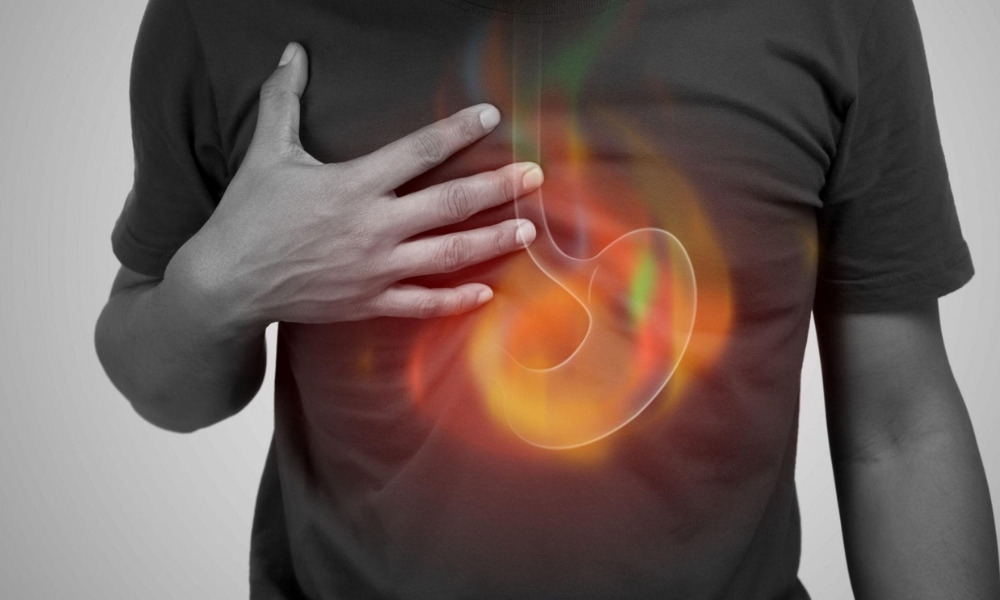
Chest Pain After Eating vs Heart Attack Symptoms
One of the most important questions people ask is whether chest pain after eating could actually be a heart attack.
Unfortunately, distinguishing digestive chest pain from cardiac chest pain is not always straightforward.
Some heart attacks produce symptoms that closely resemble indigestion or severe heartburn.
For this reason, chest pain should never be automatically assumed to be caused by acid reflux.
Heart-related chest pain may present as pressure, squeezing, heaviness, fullness, or discomfort that spreads beyond the chest.
Individuals experiencing chest pain may also benefit from reading about emergency evaluation for chest pain and when chest pain requires emergency room care.
When Is Chest Pain After Eating an Emergency?
Most cases of chest pain after eating are related to digestive conditions, but there are situations where emergency evaluation becomes extremely important. Chest pain can sometimes be the first warning sign of a heart attack, pulmonary embolism, aortic emergency, or another potentially life-threatening condition.
Because symptoms can overlap, medical professionals often recommend erring on the side of caution when chest pain is severe, unusual, or accompanied by other concerning symptoms.
Emergency warning signs may include:
- Chest pressure or squeezing that does not improve
- Pain spreading to the jaw, neck, shoulder, or arm
- Sudden shortness of breath
- Severe sweating
- Dizziness or fainting
- Confusion
- Rapid heartbeat
- Bluish lips or skin
- Pain that becomes progressively worse
- Severe nausea or vomiting
Some people experiencing a heart attack never describe their symptoms as “pain.” Instead, they report pressure, heaviness, fullness, burning, or an uncomfortable sensation that simply feels wrong.
Women, older adults, and individuals with diabetes may experience less typical symptoms. For them, shortness of breath, fatigue, nausea, dizziness, or upper abdominal discomfort may be the primary warning signs.
If chest pain occurs together with severe breathing problems, immediate evaluation may be necessary. Patients can learn more about emergency care for severe breathing difficulties and acute breathing emergencies requiring ER treatment.
Important Note
Chest pain after eating does not automatically mean a heart attack is occurring. Many cases are related to digestive conditions such as acid reflux or esophageal irritation. However, chest pain should never be self-diagnosed when symptoms are severe, persistent, or accompanied by shortness of breath, fainting, sweating, or pain radiating to other parts of the body. Professional evaluation remains the safest approach when symptoms are concerning.
How Doctors Diagnose Chest Pain After Eating
When someone seeks medical care for chest pain after meals, healthcare providers focus on identifying the source of the pain while ruling out potentially dangerous conditions.
The evaluation begins with a detailed history. Doctors often ask questions about:
- When symptoms started
- How long the pain lasts
- Whether certain foods trigger symptoms
- The location of discomfort
- Associated symptoms
- Personal cardiac history
- Family history of heart disease
- Recent illnesses or infections
Because chest pain can originate from multiple organ systems, several diagnostic tests may be considered.
Common Diagnostic Tests
- Physical examination
- Electrocardiogram (EKG)
- Blood testing
- Chest X-ray
- Cardiac enzyme testing
- CT imaging when necessary
- Ultrasound studies
- Endoscopy for gastrointestinal conditions
- Stress testing in selected patients
The goal is to determine whether symptoms stem from the heart, digestive tract, lungs, gallbladder, muscles, or another source.
In emergency settings, doctors typically prioritize ruling out serious cardiac and pulmonary conditions first.
Can Anxiety Cause Chest Pain After Eating?
Yes. Anxiety can sometimes contribute to chest discomfort after meals.
Some individuals experience increased anxiety when digestive symptoms occur, which may intensify awareness of chest sensations. Others may develop chest tightness as part of a stress response.
Anxiety-related chest pain often overlaps with symptoms caused by acid reflux, making diagnosis challenging without proper evaluation.
However, chest pain should never automatically be attributed to anxiety until more serious causes have been ruled out.
This is especially important when symptoms are new, severe, recurring, or associated with shortness of breath.
Can Gas Cause Chest Pain After Eating?
Gas trapped within the digestive tract can occasionally create surprisingly uncomfortable chest sensations.
As gas accumulates in the stomach or upper intestines, pressure may develop beneath the diaphragm. Some individuals experience sharp discomfort, fullness, or pain that seems to originate from the chest.
Gas-related discomfort may be accompanied by:
- Bloating
- Belching
- Abdominal pressure
- Upper abdominal discomfort
- Symptoms improving after passing gas
Although gas is generally harmless, it can be difficult to distinguish from more serious causes of chest pain without proper assessment.
Could a Pulmonary Embolism Cause Chest Pain After Eating?
A pulmonary embolism occurs when a blood clot blocks blood flow within the lungs. While symptoms are not directly caused by eating, some individuals notice chest discomfort during routine activities such as meals.
Pulmonary embolism symptoms may include:
- Sudden chest pain
- Shortness of breath
- Rapid heart rate
- Dizziness
- Coughing
- Coughing up blood
- Fainting
Because pulmonary embolism can become life-threatening, these symptoms should never be ignored.
Patients concerned about blood clot symptoms may also find helpful information regarding emergency care for stroke-related symptoms and other vascular emergencies.

Treatment Options for Chest Pain After Eating
Treatment depends entirely on the underlying cause.
For digestive causes, lifestyle changes and medications may significantly improve symptoms. For cardiac causes, treatment may involve emergency interventions. Gallbladder disease, infections, or esophageal disorders may require their own specialized treatments.
Acid Reflux and GERD
- Dietary modifications
- Avoiding trigger foods
- Weight management when appropriate
- Eating smaller meals
- Avoiding meals before bedtime
- Antacids
- Acid-reducing medications
Gallbladder Conditions
- Dietary adjustments
- Pain management
- Imaging evaluation
- Surgical consultation when necessary
Cardiac Causes
- Emergency cardiac evaluation
- Medication therapy
- Monitoring
- Advanced cardiac procedures when indicated
The correct treatment depends on obtaining an accurate diagnosis rather than assuming the cause based on symptoms alone.
Preventing Chest Pain After Meals
Many people can reduce episodes of chest discomfort by making simple adjustments to eating habits and lifestyle factors.
Helpful strategies may include:
- Eating smaller meals
- Avoiding overeating
- Limiting fatty foods
- Reducing spicy food intake
- Avoiding excessive alcohol
- Reducing caffeine consumption
- Maintaining a healthy weight
- Not lying down immediately after eating
- Managing stress levels
For individuals with chronic GERD, consistent management often helps reduce both reflux symptoms and associated chest discomfort.
However, recurring chest pain should still be evaluated to ensure another medical condition is not being overlooked.
Emergency Chest Pain Care in Houston
Emergency Evaluation for Chest Pain at Heights Emergency Room
Chest pain after eating is often caused by digestive conditions such as acid reflux, heartburn, GERD, or esophageal irritation. However, chest discomfort can sometimes indicate a much more serious condition involving the heart, lungs, blood vessels, or other vital organs.
At Heights Emergency Room, experienced emergency physicians evaluate chest pain symptoms 24 hours a day. Whether symptoms are related to digestive issues, cardiac concerns, breathing problems, or another medical condition, rapid testing and treatment are available when immediate answers matter.
Patients frequently search for phrases such as “ER for chest pain near me,” “heartburn or heart attack,” “when should I go to the ER for chest pain,” “chest pain after eating emergency,” and “24-hour emergency room for chest pain in Houston.” When symptoms are severe, worsening, or accompanied by warning signs, emergency evaluation may be the safest choice.
Emergency diagnostic services may include cardiac monitoring, laboratory testing, EKGs, imaging studies, and physician evaluation to help identify the cause of symptoms quickly and accurately.
If chest pain is severe, sudden, associated with shortness of breath, fainting, sweating, dizziness, or pain spreading to the jaw, neck, shoulder, or arm, immediate medical evaluation is strongly recommended.
Related Emergency Symptoms That Should Not Be Ignored
Chest pain after eating sometimes occurs alongside other symptoms that deserve careful attention.
Individuals experiencing chest discomfort may also develop symptoms such as:
- Shortness of breath
- Dizziness
- Weakness
- Rapid heartbeat
- Nausea
- Vomiting
- Abdominal pain
- Difficulty swallowing
- Persistent cough
- Fainting episodes
Depending on the symptoms involved, additional emergency resources may be helpful:
- Chest Pain Emergency Evaluation
- Severe Breathing Difficulties Emergency Care
- Emergency Care for Abdominal Pain
- Severe Stomach Pain Emergency Evaluation
- Emergency Care for Fainting Episodes
Recognizing the bigger picture often helps determine whether symptoms are likely related to a minor digestive issue or a condition requiring urgent medical attention.
Frequently Asked Questions
Why does my chest hurt after eating?
Chest pain after eating is commonly caused by acid reflux, heartburn, GERD, esophageal irritation, gas, or gallbladder problems. In some cases, however, chest pain may be related to heart or lung conditions that require prompt medical evaluation.
Can heartburn feel like a heart attack?
Yes. Heartburn can sometimes create a burning or pressure-like sensation in the chest that feels similar to cardiac chest pain. Because symptoms can overlap, severe or unusual chest pain should not be self-diagnosed.
Is chest pain after eating always caused by acid reflux?
No. Although acid reflux is one of the most common causes, chest pain after meals may also result from esophageal disorders, gallbladder disease, muscle strain, anxiety, pulmonary conditions, or cardiac problems.
When should I go to the ER for chest pain after eating?
Emergency evaluation is recommended when chest pain is severe, persistent, accompanied by shortness of breath, fainting, sweating, dizziness, confusion, or pain spreading to the jaw, neck, shoulder, or arm.
Can GERD cause chest pressure?
Yes. GERD can cause pressure, burning, tightness, or discomfort in the chest due to repeated exposure of the esophagus to stomach acid.
Can gallbladder disease cause chest pain after meals?
Yes. Gallbladder attacks frequently occur after fatty meals and may cause upper abdominal pain that radiates into the chest, back, or shoulder.
Why does chest pain get worse when lying down after eating?
Lying down can make acid reflux worse by allowing stomach acid to move more easily into the esophagus. This often increases heartburn and chest discomfort.
Can anxiety cause chest pain after meals?
Anxiety can contribute to chest tightness, discomfort, and heightened awareness of bodily sensations. However, serious causes of chest pain should always be ruled out before symptoms are attributed to anxiety.
What foods most commonly trigger heartburn chest pain?
Spicy foods, fried foods, fatty meals, caffeine, alcohol, chocolate, citrus fruits, and tomato-based products are among the most common triggers.
Can chest pain after eating be a sign of a heart attack?
Yes. Some heart attacks present with symptoms that resemble indigestion or severe heartburn. Chest pressure, shortness of breath, sweating, nausea, or pain radiating to the arm or jaw should be treated as potential emergency warning signs.
Final Thoughts on Chest Pain After Eating
Chest pain after meals can be uncomfortable, frightening, and confusing. While many cases are caused by heartburn, GERD, acid reflux, or digestive conditions, chest pain should never be dismissed without considering more serious possibilities.
Understanding the differences between common digestive symptoms and emergency warning signs can help individuals make informed decisions about their health. Symptoms such as severe chest pressure, difficulty breathing, dizziness, fainting, sweating, or pain radiating beyond the chest deserve immediate medical attention.
If questions such as “why does my chest hurt after eating,” “can heartburn cause chest pain,” or “when should I go to the ER for shortness of breath and chest discomfort” have prompted concern, a professional medical evaluation can provide clarity and peace of mind.
At Heights Emergency Room, emergency physicians are available 24 hours a day to evaluate chest pain, breathing difficulties, cardiac symptoms, digestive emergencies, and other urgent medical concerns. Prompt evaluation can help identify serious conditions early and support better outcomes.
Disclaimer: This article is intended for educational purposes only and should not replace professional medical advice, diagnosis, or treatment. Anyone experiencing severe chest pain, shortness of breath, fainting, or symptoms of a medical emergency should call 911 or seek emergency medical care immediately.
The post Why Does My Chest Hurt After Eating? appeared first on Heights Emergency Room.
]]>The post What Does Sepsis Feel Like? appeared first on Heights Emergency Room.
]]>Many people search online for questions such as “what does sepsis feel like,” “early warning signs of sepsis,” “how do I know if I have sepsis,” and “when should I go to the ER for sepsis symptoms.” The challenge is that sepsis often doesn’t look the same in every person. Some individuals develop a high fever and chills, while others experience confusion, weakness, dizziness, shortness of breath, or a feeling that something is seriously wrong.
Understanding the signs of sepsis can help people recognize when an infection may be becoming dangerous. Because sepsis can worsen rapidly, early medical treatment can be lifesaving.
Important Note
Many severe cases of sepsis begin with symptoms that initially seem similar to common illnesses. Fever, fatigue, weakness, and body aches are often easy to dismiss. However, when infection symptoms become severe, rapidly worsen, or are accompanied by confusion, breathing difficulty, or dizziness, immediate medical evaluation may be necessary. Early recognition can significantly improve outcomes.
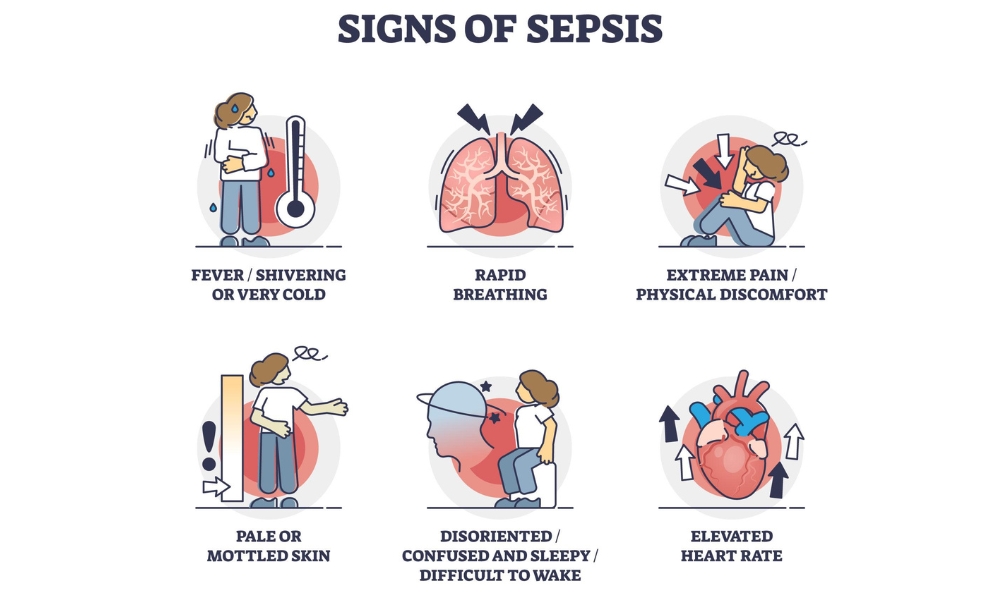
Table of Contents
- What Is Sepsis?
- What Does Sepsis Feel Like?
- Early Warning Signs of Sepsis
- How Infections Lead to Sepsis
- Who Is Most at Risk?
- Common Sepsis Symptoms
- How Quickly Can Sepsis Develop?
- When Is Sepsis an Emergency?
- How Doctors Diagnose Sepsis
- How Sepsis Is Treated
- Can Sepsis Be Prevented?
- Emergency Sepsis Care in Houston
- Frequently Asked Questions
What Is Sepsis?
Sepsis occurs when the body’s response to an infection becomes dysregulated and begins affecting multiple organ systems. Instead of fighting only the infection, the immune response can trigger widespread inflammation throughout the body.
This inflammatory reaction may damage blood vessels, reduce blood flow to vital organs, and lead to serious complications if treatment is delayed.
Sepsis is not an infection itself. Rather, it is a potentially life-threatening response to an infection.
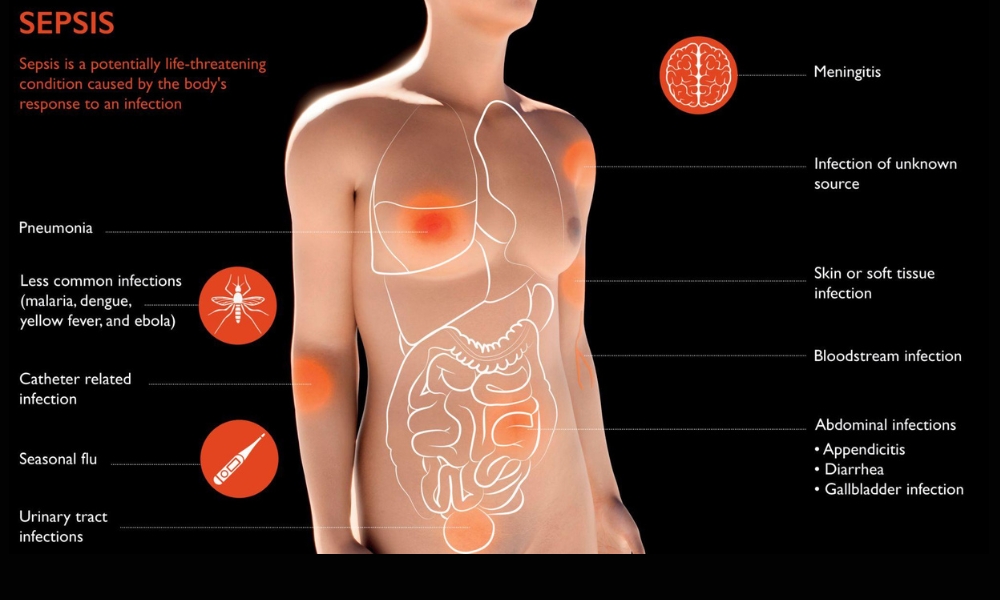
The condition can develop from infections occurring almost anywhere in the body, including the lungs, urinary tract, abdomen, skin, bloodstream, or surgical wounds.
What Does Sepsis Feel Like?
One reason sepsis can be difficult to recognize is that people often describe the experience differently. However, many patients report feeling far sicker than they would expect from a routine infection.
Some individuals describe a sudden and overwhelming sense of weakness. Others report severe fatigue, dizziness, chills, confusion, or feeling unable to think clearly.
Many survivors of sepsis describe an intense sensation that something was seriously wrong, even before they understood what was happening medically.
Common Descriptions People Use
- Extreme weakness
- Overwhelming exhaustion
- Severe chills
- Feeling unusually confused
- Difficulty concentrating
- Dizziness or lightheadedness
- Rapid breathing
- Feeling feverish or very cold
- A sense of impending danger
- Feeling dramatically worse than expected
While these symptoms do not automatically mean sepsis is present, they should never be ignored when occurring alongside an active infection.
Early Warning Signs of Sepsis
The earliest warning signs of sepsis can resemble influenza, COVID-19, pneumonia, or other infections.
This overlap is one reason many people delay seeking treatment.
Unfortunately, waiting too long can allow the condition to progress into severe sepsis or septic shock.
Early Signs of Sepsis May Include:
- Fever
- Chills
- Rapid heart rate
- Rapid breathing
- Extreme fatigue
- Body aches
- Weakness
- Nausea
- Feeling unusually ill
- Worsening infection symptoms
Some individuals may experience only a few of these symptoms initially. Others may develop several warning signs simultaneously.
The key concern is that symptoms often continue worsening rather than improving.
How Infections Lead to Sepsis
Almost any infection can potentially lead to sepsis under the right circumstances.
When bacteria, viruses, or fungi trigger an aggressive immune response, inflammation may spread beyond the original infection site.
Common infections associated with sepsis include:
- Pneumonia
- Urinary tract infections
- Kidney infections
- Cellulitis
- Abdominal infections
- Surgical wound infections
- Bloodstream infections
- Respiratory infections
Patients experiencing severe infection symptoms may also benefit from learning about respiratory infections requiring emergency care and serious urinary tract infections, as these are among the most common sources of sepsis.
Who Is Most at Risk for Sepsis?
Although anyone can develop sepsis, certain groups face a higher risk of severe illness.
Age, underlying health conditions, immune system function, and the type of infection all influence risk levels.
Higher-Risk Individuals Include:
- Adults over age 65
- Infants and young children
- People with diabetes
- Cancer patients
- Individuals with weakened immune systems
- People with chronic kidney disease
- Patients recovering from surgery
- Individuals with chronic lung disease
- Nursing home residents
- Patients with recent hospitalizations
However, it is important to remember that sepsis can also occur in otherwise healthy individuals.
Even minor infections occasionally progress unexpectedly.
Common Sepsis Symptoms
As sepsis develops, symptoms often become more noticeable and more severe.
The body may begin showing signs that infection is affecting multiple systems simultaneously.
Some symptoms are subtle, while others are unmistakably serious.
Common Signs of Sepsis Include:
- High fever
- Low body temperature
- Rapid heartbeat
- Rapid breathing
- Confusion
- Extreme weakness
- Dizziness
- Difficulty staying awake
- Shortness of breath
- Decreased urine output
- Cold or clammy skin
- Severe fatigue
As symptoms worsen, the risk of organ dysfunction increases.
Confusion, breathing difficulty, and severe weakness are particularly concerning warning signs.
How Quickly Can Sepsis Develop?
One of the most dangerous aspects of sepsis is how quickly it can progress.
Some infections remain stable for days before complications arise. Others can trigger sepsis within hours.
A person may feel relatively normal in the morning and significantly worse by evening.
This rapid progression is one reason healthcare professionals emphasize early recognition and treatment.
Because sepsis can advance quickly, waiting to see whether symptoms improve can sometimes be dangerous.
Important Note
Not every fever or infection results in sepsis. However, symptoms such as confusion, difficulty breathing, severe weakness, persistent dizziness, or rapidly worsening illness should never be dismissed. Sepsis outcomes improve significantly when treatment begins early.
When Is Sepsis an Emergency?
Sepsis should always be treated as a potential medical emergency. The condition can progress to septic shock, a life-threatening state in which blood pressure drops dangerously low and vital organs may begin to fail.
Many people wonder whether symptoms are serious enough to justify an emergency room visit. While only a healthcare professional can make a diagnosis, certain symptoms should prompt immediate medical evaluation.
Seek Emergency Care Immediately If Infection Symptoms Are Accompanied By:
- Confusion or altered mental status
- Difficulty breathing
- Severe shortness of breath
- Chest pain
- Persistent dizziness
- Fainting or near-fainting
- Blue lips or fingertips
- Very low blood pressure
- Difficulty staying awake
- Rapid worsening of symptoms
- Decreased urine output
- High fever with severe weakness
Patients experiencing breathing problems may also benefit from reading about severe breathing difficulties that require emergency care.
If symptoms involve chest discomfort or pressure, additional evaluation may be necessary because certain heart conditions can mimic or accompany serious infections. Related information is available regarding emergency evaluation for chest pain.
What Is Septic Shock?
Septic shock represents the most severe stage of sepsis.
At this point, the body’s response to infection causes profound circulatory problems that reduce blood flow to critical organs such as the brain, kidneys, heart, and lungs.
Without prompt treatment, septic shock can become fatal.
Possible Signs of Septic Shock
- Dangerously low blood pressure
- Confusion or disorientation
- Cold, pale, or clammy skin
- Rapid breathing
- Rapid heartbeat
- Extreme weakness
- Severe dizziness
- Reduced urine output
- Loss of consciousness
Because septic shock can progress rapidly, emergency medical intervention is critical.
Can Sepsis Cause Shortness of Breath?
Yes. Shortness of breath is a common symptom of severe sepsis.
As infection spreads and inflammation increases, the body may require more oxygen while the lungs become less effective at delivering it.
Patients frequently report:
- Rapid breathing
- Difficulty catching their breath
- Chest tightness
- Feeling unable to take a full breath
- Worsening breathing during activity
Individuals concerned about breathing-related emergencies can also review information regarding emergency treatment for breathing difficulties and serious respiratory symptoms requiring emergency evaluation.
Can Sepsis Cause Confusion?
Confusion is one of the most important warning signs of severe infection.
Family members often notice mental changes before the patient does.
A normally alert person may suddenly seem forgetful, disoriented, unusually sleepy, or unable to answer simple questions.
These neurological changes occur because infection, inflammation, and reduced blood flow can affect brain function.
Mental Changes That May Occur During Sepsis
- Confusion
- Disorientation
- Difficulty concentrating
- Memory problems
- Excessive sleepiness
- Unusual agitation
- Hallucinations in severe cases
Confusion associated with infection should never be ignored, particularly in older adults.
Can Sepsis Cause Extreme Fatigue?
Many patients describe severe fatigue as one of the earliest and most noticeable symptoms.
This is not ordinary tiredness.
People often report feeling completely drained, unable to complete routine activities, or struggling to remain awake.
The body is working intensely to respond to infection, which places significant stress on multiple organ systems.
When profound fatigue occurs alongside fever, chills, weakness, or infection symptoms, medical evaluation may be warranted.
Can Cellulitis Lead to Sepsis?
Yes. Cellulitis is one of the more common skin infections that can occasionally progress to sepsis if left untreated or if the infection spreads.
Cellulitis typically causes redness, swelling, warmth, tenderness, and skin discoloration.
If infection enters the bloodstream, the risk of systemic illness increases.
Warning signs include:
- Rapidly spreading redness
- Increasing pain
- Fever
- Chills
- Weakness
- Dizziness
- Confusion
Patients concerned about skin infections may also find helpful information regarding emergency treatment for wounds and infections at cuts and wound infections.
How Doctors Diagnose Sepsis
There is no single test that instantly confirms sepsis.
Healthcare providers evaluate symptoms, physical findings, medical history, and laboratory results together.
The goal is to identify both the infection source and signs that the body’s organs are being affected.
Emergency Evaluation May Include:
- Physical examination
- Blood testing
- Blood cultures
- Urine testing
- Chest X-rays
- CT scans
- Oxygen monitoring
- Blood pressure monitoring
- Kidney function testing
- Liver function testing
Doctors often begin treatment quickly if sepsis is suspected, even while test results are still pending.
How Sepsis Is Treated
Early treatment is one of the most important factors affecting recovery.
When sepsis is identified promptly, aggressive treatment can often prevent progression to septic shock.
Common Sepsis Treatments Include:
- Intravenous antibiotics
- IV fluids
- Oxygen therapy
- Blood pressure support medications
- Treatment of the infection source
- Laboratory monitoring
- Cardiac monitoring
- Hospital admission when necessary
In severe cases, patients may require intensive care monitoring and advanced life-support measures.
The sooner treatment begins, the better the chance of preventing serious complications.
Can Sepsis Be Prevented?
Not every case of sepsis can be prevented, but reducing infection risk and seeking timely treatment for infections can significantly lower the chances of developing severe complications.
Many cases begin with infections that initially seem minor. A small skin wound, respiratory infection, urinary tract infection, or untreated illness may eventually progress if bacteria or other pathogens spread.
Ways to Reduce the Risk of Sepsis
- Seek treatment for infections that worsen instead of improving
- Take prescribed antibiotics exactly as directed
- Keep wounds clean and properly covered
- Practice regular hand hygiene
- Stay current with recommended vaccinations
- Manage chronic medical conditions carefully
- Monitor infections closely in older adults
- Seek medical attention for unexplained fever and weakness
Individuals with diabetes, weakened immune systems, or chronic illnesses should be particularly cautious because infections may progress more rapidly in these populations.
What Conditions Can Be Mistaken for Sepsis?
Several serious medical conditions can produce symptoms similar to sepsis. This overlap is one reason professional medical evaluation is often necessary when symptoms become severe.
Conditions that may resemble sepsis include:
- Severe influenza
- COVID-19
- Pneumonia
- Meningitis
- Severe dehydration
- Heart attack
- Stroke
- Pulmonary embolism
- Severe allergic reactions
For example, stroke symptoms may include confusion, weakness, or altered mental status. Patients interested in learning more about neurological emergencies can visit stroke emergency treatment and emergency care for stroke symptoms.
Similarly, severe dehydration caused by vomiting, diarrhea, or infection can mimic some early sepsis symptoms. Additional information is available regarding emergency treatment for dehydration.
Can Children Develop Sepsis?
Yes. Children and infants can develop sepsis, sometimes very quickly.
Because young children may not be able to describe their symptoms clearly, caregivers should watch for warning signs that seem unusual or severe.
Possible Sepsis Symptoms in Children
- High fever
- Low body temperature
- Difficulty waking up
- Rapid breathing
- Poor feeding
- Extreme irritability
- Pale or mottled skin
- Reduced urine output
- Unusual sleepiness
- Weak responsiveness
Parents concerned about severe illness in children may also benefit from learning about pediatric emergency services and emergency care for children in Houston.
Can Older Adults Experience Different Sepsis Symptoms?
Absolutely.
Older adults often present differently than younger patients. In some cases, fever may be absent entirely.
Instead, family members may notice subtle changes such as:
- Sudden confusion
- Increased sleepiness
- Loss of appetite
- Weakness
- Falls
- Reduced mobility
- Changes in behavior
Because symptoms can be less obvious, delayed diagnosis sometimes occurs in elderly patients.
Any sudden mental status change accompanied by infection symptoms should be evaluated promptly.
Emergency Sepsis Care in Houston at Heights Emergency Room
Sepsis is a medical emergency that requires rapid diagnosis and treatment. If symptoms such as fever, chills, confusion, severe weakness, dizziness, breathing difficulty, low blood pressure, or signs of a worsening infection are present, immediate medical evaluation may be necessary.
Many people search online for terms such as “sepsis symptoms,” “early warning signs of sepsis,” “sepsis emergency room near me,” “when should I go to the ER for infection symptoms,” and “how do I know if an infection is becoming dangerous.” While online resources can provide information, only a medical evaluation can determine whether sepsis is developing.
Heights Emergency Room provides 24/7 emergency care for serious infections, sepsis symptoms, breathing difficulties, chest pain, severe weakness, dehydration, and other potentially life-threatening medical conditions.
Our emergency physicians utilize advanced diagnostic testing, laboratory evaluation, imaging when necessary, intravenous treatments, and rapid medical intervention to help identify and treat serious infections before complications worsen.
If symptoms suggest sepsis or a severe infection, immediate emergency evaluation should not be delayed.
Frequently Asked Questions
What does sepsis feel like in the beginning?
Early sepsis often feels like a severe infection. Symptoms may include fever, chills, weakness, fatigue, body aches, rapid heart rate, and a general feeling that illness is becoming worse instead of better.
What are the earliest warning signs of sepsis?
Common early warning signs include fever, chills, rapid breathing, increased heart rate, extreme fatigue, weakness, and worsening infection symptoms.
Can sepsis develop from a urinary tract infection?
Yes. Untreated urinary tract infections can sometimes spread to the kidneys or bloodstream and potentially lead to sepsis.
Can sepsis cause shortness of breath?
Yes. Sepsis frequently affects breathing and oxygen delivery throughout the body, leading to rapid breathing and shortness of breath.
Can sepsis cause confusion?
Yes. Confusion is one of the most important warning signs of severe sepsis and should be evaluated immediately, especially when accompanied by infection symptoms.
How fast can sepsis progress?
Sepsis can progress within hours in some cases. Symptoms may worsen rapidly, making early medical evaluation extremely important.
What infections most commonly cause sepsis?
Pneumonia, urinary tract infections, kidney infections, cellulitis, abdominal infections, bloodstream infections, and infected wounds are among the most common causes.
When should someone go to the ER for sepsis symptoms?
Emergency evaluation is recommended when infection symptoms occur alongside confusion, breathing difficulty, chest pain, severe weakness, dizziness, fainting, low blood pressure, or rapidly worsening illness.
Final Thoughts on What Sepsis Feels Like
Sepsis often begins with symptoms that resemble common infections, but it can quickly become life-threatening when the body’s response to infection starts affecting vital organs. Many people describe feeling unusually weak, confused, exhausted, short of breath, or dramatically sicker than expected.
Recognizing the early warning signs of sepsis—including fever, chills, rapid breathing, rapid heart rate, confusion, weakness, and worsening infection symptoms—can make a critical difference. Because sepsis can progress rapidly, delaying medical care may increase the risk of serious complications.
If symptoms suggest a severe infection or possible sepsis, immediate medical evaluation is essential. Prompt diagnosis and treatment provide the best opportunity for recovery and can help prevent life-threatening complications.
Disclaimer: This article is intended for educational purposes only and should not replace professional medical advice, diagnosis, or treatment. Anyone experiencing symptoms of a medical emergency should call 911 or seek immediate emergency medical care.
The post What Does Sepsis Feel Like? appeared first on Heights Emergency Room.
]]>The post What Does Cellulitis Look Like? appeared first on Heights Emergency Room.
]]>People often search online for questions such as “what does cellulitis look like on the skin,” “how do I know if I have cellulitis,” “cellulitis infection symptoms,” or “when should I go to the ER for cellulitis.” These questions are important because cellulitis can spread quickly and may become serious if left untreated.
In many cases, cellulitis begins after bacteria enter through a cut, scrape, insect bite, surgical wound, cracked skin, or another break in the skin barrier. Once the infection develops, redness, warmth, swelling, and tenderness often begin to spread beyond the original injury site.
Important Note
Cellulitis often starts with symptoms that appear relatively minor. What may seem like simple skin irritation can sometimes progress into a deeper infection affecting larger areas of tissue. Understanding the warning signs early may help reduce the risk of complications, hospitalization, and more extensive treatment.

Table of Contents
- What Does Cellulitis Look Like on the Skin?
- Common Cellulitis Symptoms
- What Causes Cellulitis?
- Who Is Most at Risk?
- Where Does Cellulitis Usually Occur?
- How Quickly Can Cellulitis Spread?
- When Is Cellulitis an Emergency?
- How Doctors Diagnose Cellulitis
- How Cellulitis Is Treated
- Can Cellulitis Be Prevented?
- Emergency Cellulitis Care in Houston
- Frequently Asked Questions
What Does Cellulitis Look Like on the Skin?
Cellulitis most commonly appears as a patch of skin that becomes noticeably red, swollen, warm, and tender. Unlike many rashes that remain confined to a specific area, cellulitis often spreads gradually outward as the infection progresses.
The affected skin may appear stretched, shiny, or tight due to swelling. In some cases, the borders of redness are easy to see, while in others the edges blend into surrounding skin.
Many people describe the area as feeling hot to the touch. Pain or tenderness often develops as inflammation increases.
Although cellulitis can occur anywhere on the body, it frequently affects the legs, feet, arms, hands, and face.
Early Signs of Cellulitis
- Redness around a wound or break in the skin
- Mild swelling
- Tenderness or soreness
- Warm skin
- Increasing discomfort
- Skin that appears irritated or inflamed
At this stage, symptoms may resemble a minor skin irritation, insect bite, or allergic reaction.
As Cellulitis Progresses
- Redness spreads outward
- Swelling increases
- Pain becomes more noticeable
- Skin feels hot
- Fever may develop
- Red streaks may appear
- Lymph nodes may become swollen
These signs often indicate that the infection is extending beyond the original site.
Common Cellulitis Symptoms
Cellulitis symptoms vary depending on the severity of the infection, the individual’s overall health, and how quickly treatment begins.
While skin changes are usually the most visible symptoms, cellulitis can also affect the entire body.
Common Symptoms Include:
- Red skin
- Swelling
- Pain or tenderness
- Warmth over the affected area
- Skin tightness
- Fever
- Chills
- Fatigue
- Body aches
- Swollen lymph nodes
As the infection becomes more severe, systemic symptoms may become increasingly noticeable.
Many patients report feeling ill even before the skin changes become dramatic.
What Causes Cellulitis?
Cellulitis develops when bacteria enter through a break in the skin. Even a small opening can allow bacteria to reach deeper tissues where infection begins.
The most common bacteria responsible for cellulitis include Streptococcus and Staphylococcus species.
Breaks in the skin that may lead to cellulitis include:
- Cuts and scrapes
- Insect bites
- Surgical wounds
- Animal bites
- Burns
- Skin ulcers
- Cracked skin
- Athlete’s foot
- Chronic skin conditions
Even injuries that seem minor may occasionally allow infection to develop.
Patients dealing with open wounds may also benefit from learning about emergency care for cuts and wounds, particularly if redness or swelling develops around an injury.
Who Is Most at Risk for Cellulitis?
Although cellulitis can affect anyone, certain factors increase the likelihood of developing this infection.
Risk Factors Include:
- Diabetes
- Poor circulation
- Chronic swelling of the legs
- Lymphedema
- Recent surgery
- Skin injuries
- Weakened immune system
- Obesity
- Chronic skin conditions
- Previous cellulitis infections
Individuals with chronic health conditions may experience more severe infections and may require closer medical monitoring.
People who have underlying circulation problems or swelling often experience recurrent episodes if risk factors are not addressed.
Where Does Cellulitis Usually Occur?
Cellulitis can occur almost anywhere on the body, but some locations are affected more frequently than others.
Common Areas Include:
- Lower legs
- Feet
- Ankles
- Hands
- Arms
- Face
- Around surgical incisions
The lower legs are among the most common sites because they are more prone to swelling, injuries, and circulation problems.
Facial cellulitis may require especially prompt evaluation because infection can spread near the eyes and other important structures.
Patients experiencing facial swelling along with signs of infection should seek medical evaluation without delay.
How Quickly Can Cellulitis Spread?
One of the reasons cellulitis is taken seriously is that the infection can spread surprisingly quickly.
Some cases worsen gradually over several days, while others progress significantly within a matter of hours.
Many patients first notice a small red area that expands noticeably by the next day. The redness may move beyond the original injury site, and swelling can become more pronounced.
As bacteria continue spreading through deeper tissues, additional symptoms such as fever, chills, fatigue, and worsening pain may develop.
Rapidly spreading redness should never be ignored.
Important Note
Not every area of red skin represents cellulitis. Allergic reactions, insect bites, eczema, contact dermatitis, and other skin conditions can sometimes appear similar. However, rapidly spreading redness, increasing pain, fever, or worsening swelling should be evaluated by a medical professional rather than self-diagnosed.

When Is Cellulitis an Emergency?
Many cases of cellulitis can be treated successfully when identified early. However, certain symptoms may indicate that the infection is becoming more severe or spreading beyond the skin.
Because cellulitis is a bacterial infection, delaying treatment may increase the risk of complications. In some situations, bacteria can enter the bloodstream or spread into deeper tissues, creating a medical emergency.
Warning Signs That Require Immediate Medical Attention
- Rapidly spreading redness
- Severe swelling
- High fever
- Chills or shaking
- Confusion
- Dizziness
- Difficulty breathing
- Severe pain
- Red streaks extending from the infected area
- Skin turning purple, black, or blistered
- Signs of sepsis
If redness expands significantly over a short period of time or symptoms worsen despite treatment, emergency evaluation may be necessary.
Patients who experience severe infection symptoms together with breathing difficulties, chest discomfort, or altered mental status should seek immediate medical care.
Can Cellulitis Cause Sepsis?
Yes. Although many cellulitis infections remain localized to the skin, severe infections can sometimes enter the bloodstream and trigger sepsis.
Sepsis is a life-threatening condition that occurs when the body’s response to infection begins affecting multiple organ systems.
While not every cellulitis infection leads to sepsis, the possibility is one reason doctors take spreading skin infections seriously.
Possible Signs of Sepsis
- Very high fever
- Low body temperature
- Rapid heartbeat
- Rapid breathing
- Confusion
- Extreme weakness
- Dizziness
- Low blood pressure
- Loss of consciousness
Anyone showing signs of sepsis requires immediate emergency evaluation.
The risk may be higher among older adults, people with weakened immune systems, individuals with diabetes, and patients with significant underlying medical conditions.
How Is Cellulitis Diagnosed?
Cellulitis is often diagnosed through a combination of physical examination, symptom history, and evaluation of the affected skin.
Doctors typically assess the size of the infected area, the degree of redness and swelling, the presence of fever, and whether symptoms are spreading.
In straightforward cases, the appearance of the skin may be enough to support the diagnosis.
However, additional testing may be recommended when symptoms are severe or when complications are suspected.
Diagnostic Tests May Include:
- Physical examination
- Blood tests
- Complete blood count (CBC)
- Inflammatory marker testing
- Blood cultures
- Ultrasound imaging
- CT scans in selected cases
- Wound cultures when drainage is present
Imaging may be particularly useful if doctors suspect an abscess, deeper infection, or another condition contributing to symptoms.
Conditions That Can Look Similar to Cellulitis
One reason cellulitis can be difficult for patients to identify is that several other skin conditions may resemble it.
Not every red or swollen area of skin is caused by bacterial infection.
Conditions Commonly Mistaken for Cellulitis
- Allergic reactions
- Contact dermatitis
- Insect bites
- Eczema
- Venous stasis dermatitis
- Blood clots in the leg
- Shingles
- Fungal infections
- Drug reactions
Because treatment differs significantly between these conditions, obtaining an accurate diagnosis is important.
For example, a blood clot in the leg may cause redness, warmth, swelling, and pain that resemble cellulitis. Likewise, certain allergic reactions can produce significant redness and swelling without infection.
Professional evaluation helps determine the true cause of symptoms.

How Is Cellulitis Treated?
Treatment depends on the severity of the infection, the patient’s overall health, and whether complications are present.
Most uncomplicated cellulitis cases respond well to antibiotic treatment when started early.
However, more serious infections may require intravenous medications, observation, or hospitalization.
Common Treatment Approaches
- Oral antibiotics
- Intravenous antibiotics
- Pain management
- Wound care
- Elevation of affected limbs
- Treatment of underlying conditions
- Drainage of abscesses when necessary
Many patients begin noticing improvement within several days of starting appropriate treatment. However, complete recovery may take longer depending on the extent of infection.
Even when symptoms improve, prescribed antibiotics should generally be completed unless otherwise directed by a healthcare provider.
What Happens If Cellulitis Is Left Untreated?
Untreated cellulitis can continue spreading through the skin and surrounding tissues.
As the infection advances, complications become more likely.
Possible Complications Include:
- Abscess formation
- Recurrent cellulitis
- Lymphatic system damage
- Chronic swelling
- Tissue destruction
- Bloodstream infection
- Sepsis
- Hospitalization
Fortunately, early diagnosis and treatment significantly reduce the risk of these complications.
Patients who notice worsening redness, swelling, fever, or increasing pain should not assume symptoms will resolve on their own.
Can Cellulitis Come Back?
Yes. Some individuals experience recurrent cellulitis infections.
This is especially common among people with chronic leg swelling, diabetes, circulation problems, lymphedema, or recurring skin injuries.
Each episode can potentially damage lymphatic drainage pathways, which may increase future risk.
Addressing underlying conditions and practicing proper skin care can help lower the chances of recurrence.
Ways to Reduce Recurrence Risk
- Prompt wound care
- Managing chronic swelling
- Treating athlete’s foot and fungal infections
- Controlling diabetes
- Maintaining healthy skin hydration
- Avoiding skin injuries when possible
- Seeking treatment for early symptoms
Individuals who have experienced cellulitis previously should be particularly attentive to new skin changes.
Cellulitis in Children
Children can develop cellulitis just as adults can. Scrapes, insect bites, playground injuries, and minor cuts often provide an entry point for bacteria.
Parents may first notice redness that seems to worsen rapidly over a day or two.
Fever, irritability, swelling, and tenderness may accompany the infection.
Children with rapidly spreading redness, facial cellulitis, high fever, or worsening symptoms should receive prompt medical evaluation.
Families seeking care for younger patients may also benefit from learning about pediatric emergency services available for urgent medical concerns.
Cellulitis in Older Adults
Older adults may face a higher risk of complications from cellulitis due to age-related changes in circulation, immune function, and underlying health conditions.
In some cases, symptoms may present differently. Instead of obvious fever, an older adult may experience weakness, confusion, decreased appetite, or worsening mobility.
Because infections may progress more rapidly in vulnerable populations, prompt evaluation is especially important.
Healthcare providers often maintain a lower threshold for recommending emergency evaluation when cellulitis develops in older adults with significant medical conditions.
Can Cellulitis Be Prevented?
While not every case of cellulitis can be prevented, many infections occur after bacteria enter through damaged skin. Taking steps to protect the skin barrier and address minor injuries promptly can significantly reduce the risk.
Prevention becomes especially important for individuals who have experienced cellulitis previously or who have conditions that increase susceptibility to skin infections.
Ways to Help Prevent Cellulitis
- Clean cuts and scrapes promptly
- Keep wounds covered while healing
- Monitor injuries for signs of infection
- Treat athlete’s foot and fungal infections
- Moisturize dry or cracked skin
- Manage diabetes carefully
- Wear protective footwear outdoors
- Avoid scratching insect bites
- Control chronic swelling in the legs
- Seek medical care for worsening skin changes
Simple preventive measures can often stop bacteria from gaining access to deeper tissues.
People who experience repeated infections should discuss long-term prevention strategies with their healthcare provider.
Important Note
Cellulitis is usually highly treatable when recognized early. However, infections that continue spreading, cause fever, produce severe pain, or create systemic symptoms deserve prompt medical attention. Early treatment often leads to faster recovery and may help prevent serious complications.
Can Cellulitis Affect the Face?
Yes. Facial cellulitis is considered particularly concerning because the infection occurs near the eyes, brain, and other important structures.
Even a small infection around the nose, cheek, eyelid, or forehead can sometimes spread more rapidly than cellulitis in other areas of the body.
Patients with facial cellulitis often notice redness, swelling, warmth, tenderness, and sometimes fever.
Swelling around the eyes should never be ignored, especially if vision changes, severe pain, or difficulty moving the eye develops.
Warning Signs of Severe Facial Cellulitis
- Swelling around the eye
- Eye pain
- Vision changes
- High fever
- Rapidly worsening redness
- Severe headache
- Confusion
These symptoms may require urgent medical evaluation and treatment.
Can Cellulitis Cause Severe Pain?
Yes. Although some infections begin with mild discomfort, cellulitis can become quite painful as inflammation increases.
Patients frequently describe the affected area as sore, throbbing, tender, or burning.
Severe pain that seems disproportionate to the visible skin findings should be taken seriously.
In rare situations, extreme pain may signal a more aggressive infection involving deeper tissues.
Individuals experiencing severe pain may also benefit from learning when to seek care at an emergency room for severe pain, especially when symptoms continue worsening.
Can Cellulitis Cause Fever and Chills?
Absolutely. Fever and chills are common signs that the body is mounting an immune response against an infection.
While mild cellulitis may remain limited to the skin, more significant infections often trigger systemic symptoms.
Common infection-related symptoms include:
- Fever
- Chills
- Fatigue
- Body aches
- Weakness
- General feeling of illness
When fever accompanies rapidly spreading redness or significant swelling, prompt medical evaluation is recommended.
Patients who develop high fever may also benefit from information regarding emergency evaluation for fever symptoms.
When Should Cellulitis Be Evaluated in the Emergency Room?
Not every cellulitis infection requires emergency care. However, certain situations increase the need for immediate medical evaluation.
Emergency physicians assess whether the infection remains localized or whether it may be spreading into deeper tissues or affecting the body’s overall health.
Consider Emergency Evaluation If:
- Redness is spreading rapidly
- High fever develops
- Severe swelling occurs
- Pain becomes intense
- Red streaks appear
- Confusion develops
- Dizziness or fainting occurs
- The infection involves the face or eyes
- Symptoms worsen despite antibiotics
- Underlying health conditions increase risk
Patients with diabetes, immune suppression, or circulation disorders may require earlier evaluation because complications can develop more quickly.
Individuals who experience cellulitis together with symptoms such as severe illness, dehydration, or weakness may also benefit from learning about emergency care for dehydration and serious infections.
Related Conditions That May Occur Alongside Cellulitis
Cellulitis can sometimes occur in conjunction with other medical problems. Understanding these related conditions may help patients recognize when additional evaluation is needed.
- Cuts and wound infections
- Abdominal pain caused by infection-related complications
- Chest pain and systemic infection concerns
- Urinary tract infections and bacterial illnesses
- Emergency diagnosis and treatment services
Although these conditions are separate medical issues, they highlight the importance of recognizing serious symptoms early and seeking appropriate care.
Emergency Cellulitis Care in Houston
If redness, swelling, warmth, pain, fever, or signs of a spreading skin infection develop, prompt medical evaluation may help prevent complications.
Many patients search online for terms such as “cellulitis infection treatment near me,” “what does cellulitis look like on the skin,” “emergency care for cellulitis,” “cellulitis with fever,” and “when should I go to the ER for cellulitis.”
Heights Emergency Room provides 24/7 emergency evaluation and treatment for cellulitis, skin infections, wound infections, fever, severe swelling, and other urgent medical conditions.
Emergency physicians can perform diagnostic testing, laboratory evaluation, imaging studies when necessary, intravenous antibiotics, and treatment for complications associated with serious skin infections.
Walk in anytime if cellulitis symptoms are spreading rapidly, causing severe pain, producing fever, or showing signs of worsening infection.
Frequently Asked Questions
What does cellulitis look like on the skin?
Cellulitis typically appears as a red, swollen, warm, and painful area of skin. The redness often spreads gradually and may become increasingly tender over time.
What are the most common cellulitis symptoms?
Common symptoms include redness, swelling, warmth, tenderness, pain, fever, chills, fatigue, and enlarged lymph nodes.
Can cellulitis go away without antibiotics?
Cellulitis is a bacterial infection and often requires antibiotic treatment. Delaying treatment may increase the risk of complications.
How quickly does cellulitis spread?
Some cases spread gradually over several days, while others worsen significantly within hours. Rapidly spreading redness should be medically evaluated.
Can cellulitis cause fever?
Yes. Fever is a common symptom, particularly when the infection becomes more extensive.
Is cellulitis contagious?
Cellulitis itself is generally not considered contagious through casual contact. However, the bacteria causing the infection can sometimes spread under certain circumstances.
What causes cellulitis infection?
Cellulitis occurs when bacteria enter through a break in the skin, such as a cut, scrape, insect bite, surgical wound, or cracked skin.
When should I go to the ER for cellulitis?
Emergency evaluation may be necessary if redness spreads rapidly, fever develops, severe pain occurs, facial swelling is present, symptoms worsen despite treatment, or signs of sepsis appear.
Can cellulitis become serious?
Yes. Untreated cellulitis can spread into deeper tissues, enter the bloodstream, and potentially lead to serious complications such as sepsis.
Can cellulitis come back?
Yes. Some individuals experience recurrent cellulitis, particularly if underlying risk factors such as diabetes, chronic swelling, or circulation problems are present.
Final Thoughts
Cellulitis is a common but potentially serious bacterial skin infection that often begins with redness, swelling, warmth, and tenderness. Although symptoms may initially resemble a rash, insect bite, or minor skin irritation, the infection can spread rapidly if left untreated.
Understanding what cellulitis looks like on the skin and recognizing common cellulitis symptoms can help individuals seek medical attention before complications develop.
Warning signs such as fever, rapidly spreading redness, severe swelling, increasing pain, facial involvement, confusion, or signs of sepsis should never be ignored.
For those searching “what does cellulitis look like,” “cellulitis infection symptoms,” or “when should I go to the ER for cellulitis,” early medical evaluation often leads to better outcomes and faster recovery.
Disclaimer: This article is provided for educational purposes only and should not replace professional medical advice, diagnosis, or treatment. If symptoms suggest a serious infection or medical emergency, seek immediate medical attention or call 911.
The post What Does Cellulitis Look Like? appeared first on Heights Emergency Room.
]]>The post When Is Shortness of Breath an Emergency? appeared first on Heights Emergency Room.
]]>Many people search online for answers to questions like “why am I short of breath all of a sudden,” “when should I go to the ER for shortness of breath,” “what causes breathing difficulty,” or “can shortness of breath be a sign of a medical emergency?” While occasional breathlessness can occur for harmless reasons, breathing difficulty can also signal a life-threatening condition requiring immediate medical attention.
Important Note
Breathing is something most people rarely think about until it becomes difficult. Understanding the warning signs of serious breathing problems may help identify potentially dangerous conditions earlier. While some causes of shortness of breath are mild and temporary, others can progress rapidly and require emergency treatment to prevent severe complications.

Table of Contents
- What Is Shortness of Breath?
- When Is Shortness of Breath an Emergency?
- Why Does Shortness of Breath Happen Suddenly?
- Heart and Lung Conditions That Cause Breathing Difficulty
- Symptoms That Should Never Be Ignored
- How Doctors Diagnose Breathing Emergencies
- Treatment Options
- Preventing Serious Breathing Problems
- Emergency Breathing Care in Houston
- Frequently Asked Questions
What Is Shortness of Breath?
Shortness of breath, medically known as dyspnea, describes the sensation of not getting enough air. Some people describe it as feeling unable to take a full breath, while others feel tightness in the chest, rapid breathing, or an overwhelming need to inhale more deeply.
The experience varies from person to person. One individual may feel winded after minimal activity, while another may struggle to breathe even while resting.
Breathing difficulty is not a disease itself. Instead, it is a symptom that can result from dozens of underlying conditions affecting the lungs, heart, circulation, blood oxygen levels, or airways.
In many cases, shortness of breath develops slowly over weeks or months. However, sudden breathing difficulty often requires urgent medical attention because it may indicate a serious problem developing inside the body.
When Is Shortness of Breath an Emergency?
Shortness of breath becomes an emergency when breathing difficulty develops suddenly, becomes severe, worsens quickly, or occurs alongside other concerning symptoms.
The body depends on oxygen reaching every organ. When breathing is impaired, oxygen delivery may become compromised, potentially affecting the brain, heart, and other critical systems.
Emergency evaluation may be necessary if breathing difficulty occurs with:
- Chest pain
- Blue lips or fingertips
- Confusion or disorientation
- Loss of consciousness
- Severe wheezing
- Rapid breathing
- Inability to speak full sentences
- Sudden dizziness
- Coughing up blood
- Severe swelling of the face or throat
These symptoms may indicate serious conditions such as heart attack, pulmonary embolism, severe asthma, allergic reactions, pneumonia, or respiratory failure.
One of the most important questions people ask is whether shortness of breath alone is enough reason to seek emergency care. The answer depends on severity. Mild breathlessness after exertion is often normal. Breathing difficulty at rest, worsening symptoms, or symptoms accompanied by chest pain should never be ignored.
Why Does Shortness of Breath Happen Suddenly?
Sudden shortness of breath can occur when something interferes with normal oxygen exchange or circulation. The underlying cause may involve the lungs, heart, airways, blood vessels, or even severe infections.
Because the body relies on a delicate balance between oxygen intake and carbon dioxide removal, even a small disruption can produce noticeable breathing symptoms.
Some causes are relatively minor, while others are immediately life-threatening.
Common Causes of Sudden Breathing Difficulty
- Asthma attacks
- Pneumonia
- Pulmonary embolism
- Heart attack
- Heart failure
- Severe allergic reactions
- Panic attacks
- COVID-19 or respiratory infections
- Collapsed lung
- Airway obstruction
Determining the exact cause requires medical evaluation because symptoms often overlap.
For example, both a panic attack and a pulmonary embolism can cause rapid breathing and chest discomfort. However, one may be primarily psychological while the other can become life-threatening if untreated.
Heart and Lung Conditions That Commonly Cause Shortness of Breath
The lungs and heart work together to supply oxygen throughout the body. Problems affecting either organ can result in breathing difficulty.
Heart Attack
Many people associate heart attacks only with chest pain. However, shortness of breath may be one of the earliest symptoms, especially in women and older adults.
Breathing difficulty accompanied by chest pressure, arm pain, sweating, nausea, or dizziness should be treated as an emergency.
Patients experiencing both chest pain and breathing difficulty may benefit from learning more about chest pain emergency symptoms.
Pulmonary Embolism
A pulmonary embolism occurs when a blood clot travels to the lungs and blocks blood flow.
Symptoms often appear suddenly and may include:
- Sharp chest pain
- Shortness of breath
- Rapid heartbeat
- Coughing
- Dizziness
- Fainting
This condition requires immediate emergency treatment.
Pneumonia
Pneumonia causes inflammation and infection within the lungs. As fluid accumulates, oxygen exchange becomes more difficult.
Symptoms often include fever, cough, fatigue, and worsening breathing difficulty.
Respiratory infections are among the leading causes of emergency breathing complaints. Additional information can be found through respiratory infection treatment and emergency care.
Asthma Attacks
Asthma causes narrowing of the airways, making breathing difficult.
During a severe asthma attack, air movement may become significantly restricted, resulting in wheezing, chest tightness, and shortness of breath.
If rescue medications are not helping, emergency care may be needed immediately.
Symptoms That Should Never Be Ignored
Not all cases of shortness of breath carry the same level of risk. Some episodes improve with rest, hydration, or treatment of a mild illness. Others indicate a potentially life-threatening condition that requires immediate evaluation.
One of the most important factors doctors consider is whether breathing difficulty occurs by itself or alongside additional warning signs.
The presence of certain symptoms can help distinguish a mild breathing problem from a medical emergency.
Chest Pain and Shortness of Breath
Few symptom combinations are more concerning than chest pain and breathing difficulty occurring together.
This combination may indicate:
- Heart attack
- Pulmonary embolism
- Collapsed lung
- Severe pneumonia
- Heart failure
Chest discomfort may feel like pressure, squeezing, heaviness, burning, or sharp pain. Sometimes the pain spreads into the arm, shoulder, neck, jaw, or back.
Anyone experiencing significant chest pain with shortness of breath should seek emergency medical attention immediately.
Patients concerned about chest discomfort can also review information regarding emergency evaluation for chest pain.
Shortness of Breath with Dizziness or Fainting
When breathing difficulty occurs alongside dizziness, lightheadedness, or fainting, oxygen delivery to the brain may be affected.
Potential causes include:
- Heart rhythm abnormalities
- Pulmonary embolism
- Severe dehydration
- Internal bleeding
- Heart attack
- Shock
Fainting should never be dismissed as harmless when accompanied by breathing problems.
Additional information can be found through emergency evaluation for fainting symptoms.
Blue Lips or Fingertips
Blue or gray discoloration of the lips, tongue, or fingertips may indicate low oxygen levels in the bloodstream.
This symptom, known as cyanosis, is considered a medical emergency because it suggests the body is not receiving adequate oxygen.
Severe asthma attacks, pulmonary embolism, advanced pneumonia, and respiratory failure can all produce this symptom.
Confusion or Altered Mental Status
The brain requires a continuous oxygen supply to function properly.
When oxygen levels fall significantly, confusion, agitation, unusual behavior, and difficulty staying awake may develop.
Family members often notice these changes before the affected individual recognizes them.
Confusion occurring with breathing difficulty warrants immediate emergency evaluation.
Important Note
Experiencing shortness of breath does not automatically mean a life-threatening emergency is occurring. Respiratory infections, mild asthma flare-ups, anxiety, and other treatable conditions can also cause breathing symptoms. However, severe, sudden, or worsening breathing difficulty should never be self-diagnosed. Professional evaluation helps identify whether symptoms represent a temporary issue or a condition requiring urgent treatment.

Can Anxiety Cause Shortness of Breath?
Yes. Anxiety and panic attacks are common causes of shortness of breath.
During periods of intense stress, the body’s fight-or-flight response activates, increasing heart rate and breathing rate. This can create sensations of air hunger, chest tightness, dizziness, and tingling sensations.
Many individuals experiencing panic attacks genuinely feel as though they cannot breathe, even when oxygen levels remain normal.
The challenge is that anxiety symptoms can closely resemble serious medical emergencies.
Because conditions like pulmonary embolism, asthma attacks, and heart attacks may produce similar symptoms, medical evaluation is often necessary when symptoms are severe or unusual.
Can Shortness of Breath Be a Sign of Heart Problems?
Absolutely.
Many heart conditions reduce the body’s ability to circulate oxygen-rich blood efficiently.
As a result, shortness of breath can become one of the earliest warning signs of cardiovascular disease.
Heart Conditions Associated with Breathing Difficulty
- Heart attack
- Heart failure
- Abnormal heart rhythms
- Cardiomyopathy
- Valve disorders
Heart-related shortness of breath may occur during activity at first but can gradually progress to symptoms at rest.
Many patients describe needing extra pillows to sleep comfortably or waking up suddenly at night struggling to breathe.
These symptoms deserve prompt medical attention.
Can Respiratory Infections Cause Serious Breathing Problems?
Respiratory infections are among the most common causes of shortness of breath.
While many infections remain mild, others can progress rapidly and affect oxygen levels.
Examples include:
- Pneumonia
- COVID-19
- Bronchitis
- Influenza
- Severe viral infections
Symptoms often include fever, cough, congestion, fatigue, body aches, and breathing difficulty.
When infections cause worsening shortness of breath, chest pain, confusion, or low oxygen levels, emergency evaluation becomes important.
Patients may also benefit from reviewing information regarding emergency flu and respiratory illness care and influenza-related complications.
How Doctors Diagnose Breathing Emergencies
Determining the cause of shortness of breath often requires a thorough medical evaluation.
Emergency physicians assess symptoms, medical history, vital signs, and oxygen levels while looking for clues that point toward specific diagnoses.
Common Diagnostic Tests
- Pulse oximetry
- Blood tests
- Chest X-rays
- Electrocardiogram (ECG)
- CT scans
- Cardiac enzyme testing
- Arterial blood gas testing
- Ultrasound studies
These tests help identify whether symptoms are caused by heart disease, lung disease, infection, blood clots, allergic reactions, or other serious conditions.
Treatment for Shortness of Breath Depends on the Cause
Because many different conditions can cause breathing difficulty, treatment varies significantly depending on the diagnosis.
For example, asthma attacks may require inhaled medications, while pulmonary embolisms require blood thinners. Heart attacks require a completely different treatment approach.
The goal is not simply to relieve symptoms but to address the underlying condition causing the breathing difficulty.
Possible Treatments Include:
- Supplemental oxygen
- Breathing treatments
- IV medications
- Antibiotics
- Blood thinners
- Steroids
- Allergy medications
- Cardiac treatments
- Advanced respiratory support
Prompt treatment often improves outcomes significantly, especially for heart attacks, severe infections, and pulmonary embolisms.

Can Serious Breathing Emergencies Be Prevented?
Not every breathing emergency can be prevented, but many risk factors can be reduced through proactive healthcare and lifestyle choices.
Understanding personal health conditions, recognizing early warning signs, and seeking treatment before symptoms become severe can significantly lower the risk of serious complications.
Ways to Reduce the Risk of Breathing Emergencies
- Avoid smoking and secondhand smoke exposure
- Follow treatment plans for asthma, COPD, and heart disease
- Stay physically active when medically appropriate
- Maintain a healthy weight
- Keep vaccinations up to date
- Seek medical care for worsening respiratory infections
- Manage blood pressure and diabetes
- Recognize warning signs early
Many severe respiratory emergencies begin with symptoms that seem minor at first. Early evaluation often helps prevent progression into a more serious condition.
Why Early Evaluation Matters
One of the biggest mistakes people make is waiting too long to seek medical attention.
Shortness of breath sometimes develops gradually, causing individuals to adapt to symptoms without realizing how much their breathing has changed.
Others assume symptoms are caused by aging, stress, or lack of exercise when an underlying medical problem may actually be present.
Conditions such as pneumonia, heart failure, pulmonary embolism, and severe asthma often respond better to treatment when identified early.
Emergency physicians frequently see patients who delayed care because they hoped symptoms would improve on their own. Unfortunately, some respiratory conditions can worsen rapidly.
Recognizing when breathing difficulty represents a medical emergency can make a critical difference in outcomes.
Who Is at Higher Risk for Severe Breathing Problems?
While shortness of breath can affect anyone, certain groups face a greater risk of serious complications.
Higher-Risk Individuals Include:
- Adults over age 65
- People with asthma
- Individuals with COPD
- Patients with heart disease
- People with a history of blood clots
- Individuals with obesity
- People with diabetes
- Those recovering from major surgery
- Individuals with chronic lung disease
- Patients with weakened immune systems
For these groups, new or worsening breathing symptoms often warrant earlier medical evaluation.
What Happens During an Emergency Room Visit for Shortness of Breath?
Many patients are uncertain about what to expect when visiting the emergency room for breathing difficulty.
Upon arrival, the medical team typically begins evaluating oxygen levels, heart rate, blood pressure, breathing rate, and overall stability.
The goal is to quickly determine whether the patient is receiving enough oxygen and whether a life-threatening condition is present.
Depending on symptoms, emergency physicians may order imaging studies, blood tests, heart monitoring, and respiratory treatments.
Treatment often begins immediately while diagnostic testing is still underway.
Patients experiencing severe respiratory distress may receive oxygen therapy, breathing treatments, medications, or advanced interventions if necessary.
Related Emergency Symptoms That May Occur with Shortness of Breath
Breathing difficulty often appears alongside other symptoms that can help identify the underlying cause.
Patients experiencing shortness of breath may also benefit from learning about related emergency symptoms such as:
- chest pain and heart-related emergencies
- stroke symptoms and neurological emergencies
- severe headaches requiring emergency care
- dehydration and vomiting emergencies
- severe allergic reactions and anaphylaxis
These symptoms sometimes occur together and may indicate a serious underlying condition requiring immediate medical attention.
Emergency Care for Shortness of Breath in Houston
If breathing difficulty develops suddenly, becomes severe, or occurs alongside chest pain, dizziness, confusion, fainting, or low oxygen symptoms, immediate medical evaluation may be necessary.
Many patients search online for terms such as “ER for shortness of breath near me,” “breathing difficulty emergency,” “emergency room for chest pain and shortness of breath,” “24-hour ER for breathing problems,” and “when should I go to the ER for shortness of breath.”
Heights Emergency Room provides 24/7 emergency evaluation and treatment for respiratory emergencies, chest pain, severe infections, allergic reactions, asthma attacks, and other urgent medical conditions.
Emergency physicians can perform advanced diagnostic testing, imaging studies, laboratory evaluations, oxygen therapy, and emergency treatments designed to identify the cause of breathing difficulty and begin prompt care.
Walk in anytime, day or night, if severe shortness of breath, chest pain, or worsening breathing symptoms develop.
Frequently Asked Questions
When should I go to the ER for shortness of breath?
Emergency evaluation is recommended when shortness of breath develops suddenly, becomes severe, worsens rapidly, or occurs with chest pain, dizziness, confusion, fainting, blue lips, or coughing up blood.
Can shortness of breath be a sign of a heart attack?
Yes. Shortness of breath may occur before, during, or alongside other heart attack symptoms such as chest pressure, sweating, nausea, or arm pain.
What causes sudden breathing difficulty?
Common causes include asthma attacks, pneumonia, pulmonary embolism, allergic reactions, heart failure, heart attack, panic attacks, and respiratory infections.
Can anxiety cause shortness of breath?
Yes. Anxiety and panic attacks frequently cause breathing difficulty, chest tightness, and rapid breathing. However, serious medical conditions can produce similar symptoms and should not be overlooked.
Is shortness of breath always serious?
Not always. Mild breathlessness after exercise or temporary illness may not indicate a serious problem. However, severe, sudden, or worsening symptoms should be medically evaluated.
What is the difference between shortness of breath and respiratory distress?
Shortness of breath is the sensation of difficulty breathing. Respiratory distress refers to severe breathing impairment that may affect oxygen levels and require emergency treatment.
Can pneumonia cause shortness of breath?
Yes. Pneumonia often causes breathing difficulty, cough, fever, fatigue, and chest discomfort due to inflammation and fluid buildup within the lungs.
Can a blood clot cause breathing problems?
Yes. A pulmonary embolism occurs when a blood clot blocks blood flow in the lungs, often causing sudden shortness of breath, chest pain, and rapid heart rate.
What tests are performed for breathing difficulty?
Doctors may perform oxygen monitoring, blood tests, chest X-rays, CT scans, ECGs, and other diagnostic studies depending on symptoms.
Should breathing difficulty be ignored if it improves?
Even symptoms that improve may warrant evaluation if they were severe, sudden, or accompanied by concerning warning signs.
Final Thoughts
Shortness of breath can range from a temporary inconvenience to a life-threatening medical emergency. Understanding the difference is essential because breathing difficulty is often one of the body’s earliest warning signs that something serious may be happening.
Symptoms such as chest pain, confusion, blue lips, fainting, severe wheezing, coughing up blood, or sudden breathing difficulty should never be ignored. These signs may indicate heart attacks, blood clots, severe infections, allergic reactions, or other critical conditions requiring immediate treatment.
For individuals searching “when is shortness of breath an emergency,” “breathing difficulty emergency,” or “when should I go to the ER for shortness of breath,” the safest approach is to seek prompt medical evaluation whenever symptoms feel severe, unusual, or rapidly worsening.
Early diagnosis and treatment often make a significant difference in preventing serious complications and supporting recovery.
Disclaimer: This article is intended for educational purposes only and should not replace professional medical advice, diagnosis, or treatment. If severe breathing difficulty or symptoms of a medical emergency occur, call 911 or seek immediate emergency medical care.
The post When Is Shortness of Breath an Emergency? appeared first on Heights Emergency Room.
]]>The post What Does a Blood Clot Feel Like? Signs, Symptoms & Early Warning Clues You Should Never Ignore appeared first on Heights Emergency Room.
]]>A blood clot is essentially a thickened mass of blood that forms when the body tries to stop bleeding. But when it forms inside a vein without injury, it can block normal blood flow and create life-threatening complications like deep vein thrombosis (DVT) or pulmonary embolism.
What makes blood clots tricky is that early symptoms can feel mild — like soreness, cramping, or swelling — and are often mistaken for muscle strain or fatigue.
Table of Contents
Important Note
This article explains how blood clots may feel in early and advanced stages, including warning signs that may indicate deep vein thrombosis or lung-related complications. Early recognition can significantly reduce the risk of life-threatening complications such as pulmonary embolism. Understanding symptoms early can help in making timely medical decisions and avoiding delays in emergency care.
What Is a Blood Clot?
A blood clot is a gel-like mass formed when blood thickens from its liquid state. Normally, this is a protective mechanism that stops bleeding after an injury. However, when clots form inside veins or arteries without an external injury, they can disrupt normal circulation.
The most concerning types of clots occur deep inside the body, especially in the legs. This condition is called deep vein thrombosis (DVT). If a part of this clot breaks off and travels to the lungs, it becomes a pulmonary embolism — a medical emergency.
Because of this, doctors treat unexplained leg pain, swelling, or heaviness very seriously, especially when symptoms appear suddenly or worsen over time.
What Does a Blood Clot Feel Like?
One of the most common questions people ask is: what does a blood clot feel like in the leg? The answer is that it does not always feel dramatic at first. In fact, many people describe it as a subtle discomfort that slowly becomes more noticeable.
Early clot symptoms are often mistaken for muscle cramps, pulled muscles, or fatigue from standing or walking too long. But unlike normal muscle pain, clot-related discomfort tends to feel deeper, persistent, and sometimes unusual in nature.
People often describe it as a “tight,” “heavy,” or “aching pressure” that does not improve with rest or stretching.
In some cases, the affected area may feel warm to the touch, or the skin may appear slightly red or discolored. These changes occur because blood flow is being restricted in the vein.
Blood Clot in the Leg Symptoms
When a clot forms in the leg, the symptoms often develop gradually over hours or days. The leg may not look dramatically different at first, but subtle changes are usually present.
Common Blood Clot Symptoms in the Leg:
- Swelling in one leg (often sudden or unexplained)
- Persistent aching or cramping pain
- Warmth in the affected area
- Red or bluish skin discoloration
- Heaviness or pressure in the leg
- Pain that worsens when standing or walking
Unlike normal muscle soreness, this discomfort does not improve significantly with rest. In fact, some people notice that walking or standing makes the pain worse over time.
If swelling or pain appears only in one leg without a clear injury, it should always be evaluated medically as soon as possible.
Signs a Blood Clot May Be Dangerous
While a clot in the leg is already serious, the situation becomes more dangerous if it moves toward the lungs or affects blood circulation significantly.
This is why doctors always warn patients not to ignore early symptoms of deep vein thrombosis. A clot can travel silently and suddenly cause life-threatening complications.
Some warning signs indicate that the clot may already be affecting circulation or moving through the bloodstream.
Red Flag Symptoms:
- Sudden shortness of breath
- Sharp chest pain when breathing
- Rapid heartbeat
- Lightheadedness or fainting
- Coughing up blood
If any of these symptoms occur along with leg pain or swelling, emergency evaluation is critical.
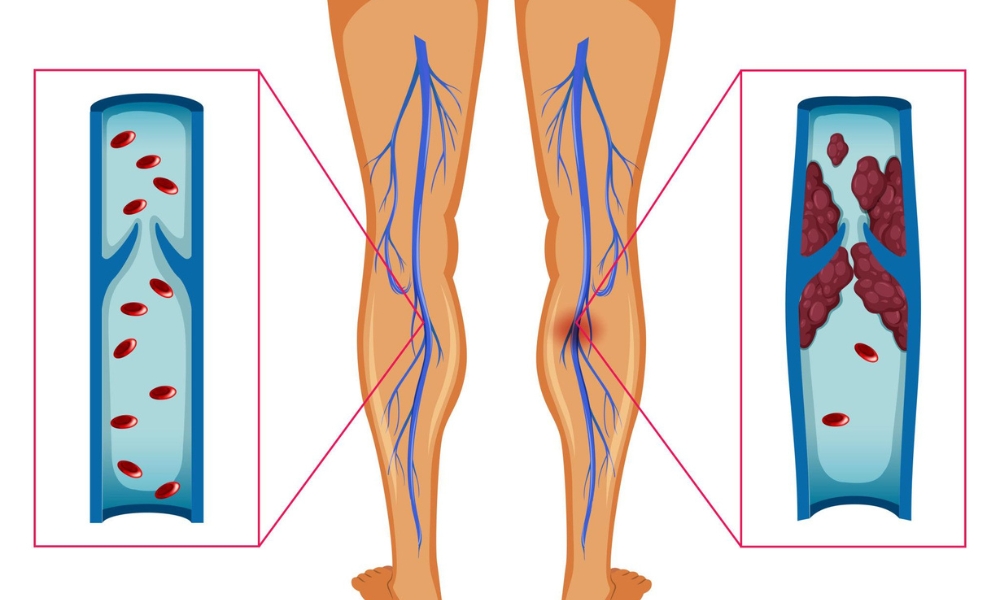
Why Blood Clots Often Go Unnoticed
One of the most dangerous aspects of blood clots is how quietly they can develop. Many individuals continue daily activities while a clot slowly worsens inside the vein.
Because early symptoms mimic common issues like muscle strain, dehydration, or fatigue, medical attention is often delayed. This delay increases the risk of complications such as pulmonary embolism.
In many cases, people only realize the severity once breathing difficulties or chest pain appear — which indicates that the clot may have already moved beyond the leg.
Blood clot symptoms can sometimes overlap with other emergency conditions. If symptoms include chest pain or breathing difficulty, it is important to also understand related emergencies such as:
- chest pain emergency evaluation
- severe breathing difficulties
- severe abdominal pain emergencies
- fainting and dizziness emergencies
- emergency room services overview
How Blood Clot Pain Progresses Over Time
Blood clot pain rarely stays the same. One of the most important patterns to understand is that it often begins subtly and gradually becomes more noticeable. This is different from typical muscle injuries, where pain often peaks early and then improves with rest.
With a developing clot, discomfort may start as a mild ache or tightness in one area of the body, especially the calf or thigh. Over time, the sensation may become more persistent, deeper, and harder to ignore. Some people describe it as a “pressure that doesn’t go away,” even when resting.
This progression happens because the clot can partially obstruct blood flow, causing fluid buildup and inflammation in surrounding tissues. As circulation becomes more restricted, symptoms tend to intensify.
Blood Clot Pain vs Muscle Pain: Key Differences
One of the most common reasons blood clots are missed is because they are confused with muscle strain. However, there are subtle but important differences between the two.
Muscle Pain Typically:
- Improves with rest or stretching
- Has a clear cause like exercise or injury
- Feels surface-level or sore
- Gradually gets better over days
Blood Clot Pain Typically:
- Does NOT improve with rest
- Often has no clear injury or cause
- Feels deep, tight, or heavy
- May worsen over time
- Often appears in one leg only
These differences are important because early recognition can prevent complications like deep vein thrombosis from progressing into a more dangerous condition.
Blood Clots in the Arm: Symptoms People Often Miss
Although most blood clots occur in the legs, they can also develop in the arms. This is especially common in people with IV lines, recent medical procedures, or certain clotting disorders.
Arm clots can be just as serious as leg clots, but they are often overlooked because arm pain is commonly attributed to strain, posture, or minor injury.
Possible Blood Clot Symptoms in the Arm:
- Swelling in one arm
- Persistent aching or heaviness
- Skin discoloration (red or bluish tone)
- Warmth over the affected area
- Visible veins becoming more prominent
If arm symptoms appear suddenly without injury, especially with swelling or discoloration, medical evaluation is important.
When a Blood Clot Moves to the Lungs (Pulmonary Embolism)
One of the most dangerous complications of a blood clot is when part of it breaks off and travels to the lungs. This condition is known as a pulmonary embolism (PE), and it can become life-threatening very quickly.
PE affects oxygen exchange in the lungs and can strain the heart, making it difficult for oxygen to circulate properly throughout the body.
Symptoms may appear suddenly and can feel very different from leg pain symptoms.
Warning Signs of Pulmonary Embolism:
- Sudden shortness of breath
- Sharp or stabbing chest pain
- Pain that worsens when breathing deeply
- Rapid heart rate
- Dizziness or fainting
- Coughing (sometimes with blood)
These symptoms should always be treated as an emergency, especially if there is a recent history of leg swelling or unexplained pain.
Important Note
Not all leg pain is caused by a blood clot, and not all swelling is dangerous. However, when symptoms appear suddenly, affect only one side of the body, or worsen without explanation, medical evaluation is essential. Blood clots can progress silently, and early detection greatly reduces the risk of serious complications.
Who Is at Higher Risk of Blood Clots?
Blood clots can happen to anyone, but certain conditions and lifestyle factors significantly increase risk. Understanding these risk factors helps explain why symptoms may appear unexpectedly.
Reduced movement is one of the most common triggers. Long periods of sitting, such as during travel or bed rest, can slow blood flow and increase clot formation risk.
Other medical conditions, such as cancer, heart disease, or clotting disorders, can also increase the likelihood of abnormal clot formation.
Common Risk Factors Include:
- Prolonged immobility (travel, bed rest)
- Recent surgery or injury
- Smoking
- Obesity
- Hormonal therapy or birth control
- History of blood clots
- Cancer or chemotherapy
These factors do not guarantee a clot will form, but they significantly increase the risk when combined with other conditions.
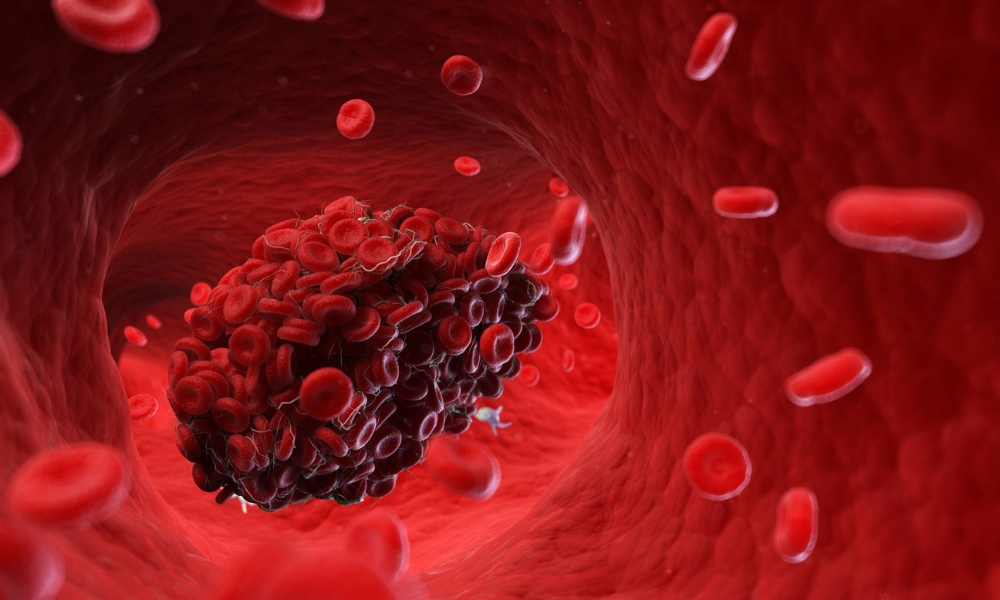
Why Blood Clots Can Feel “Different” from Normal Pain
Many people describe blood clot discomfort as “weird,” “heavy,” or “not like normal pain.” This is because clot-related symptoms are caused by restricted blood flow rather than muscle damage.
When circulation is reduced, tissues receive less oxygen. This creates a deep pressure sensation rather than sharp or surface-level pain. Inflammation in the vein wall also contributes to warmth, tenderness, and swelling.
This combination of symptoms creates a unique sensation that many people cannot easily describe — which is why clots are often misinterpreted until they become more severe.
When Blood Clot Symptoms Become an Emergency
Blood clot symptoms should always be taken seriously, but certain signs indicate an immediate medical emergency. The greatest risk occurs when a clot in the leg (deep vein thrombosis) travels to the lungs, leading to a pulmonary embolism. This can become life-threatening within minutes.
Emergency evaluation should not be delayed if symptoms suddenly worsen or new breathing or chest-related symptoms appear alongside leg pain or swelling.
Emergency Warning Signs Include:
- Sudden shortness of breath without exertion
- Sharp chest pain, especially when breathing
- Rapid or irregular heartbeat
- Coughing up blood
- Fainting or near-fainting episodes
- Severe, unexplained weakness or anxiety with breathing difficulty
When these symptoms occur, it may indicate that a clot has moved into the lungs, which requires immediate emergency treatment.
How Doctors Diagnose a Blood Clot
In an emergency setting, doctors use a combination of physical examination, imaging tests, and blood work to confirm whether a blood clot is present.
Because blood clot symptoms can resemble muscle injuries or other conditions, diagnostic testing is essential for accuracy.
Common Diagnostic Methods:
- Ultrasound: Most common test for detecting clots in the legs or arms
- D-dimer blood test: Measures clot-related substances in the blood
- CT scan (CT pulmonary angiography): Used when lung clot is suspected
- Blood oxygen monitoring: Helps assess breathing impact
These tests allow medical teams to determine the location, size, and severity of the clot, which guides treatment decisions.
How Blood Clots Are Treated
Treatment depends on the type and severity of the clot. The main goal is to stop the clot from growing, prevent new clots, and reduce the risk of complications such as pulmonary embolism.
Common Treatment Options:
Blood Thinners (Anticoagulants): These medications prevent the clot from getting larger and reduce the risk of new clots forming. They do not immediately dissolve the clot but allow the body to gradually break it down naturally.
Clot-Dissolving Medications: In severe or life-threatening cases, medications may be used to actively break down the clot.
Hospital Monitoring: Patients with significant clots may require observation to ensure breathing, circulation, and heart function remain stable.
Compression Therapy: In some cases, compression stockings may be recommended to improve blood flow in the affected limb.
What Recovery From a Blood Clot Feels Like
Recovery from a blood clot varies depending on severity and how early treatment begins. Some people recover fully within weeks, while others may experience lingering discomfort or swelling for a longer period.
Even after treatment begins, mild aching or heaviness in the affected leg can persist as the body slowly reabsorbs the clot. This does not necessarily mean the condition is worsening, but follow-up care is important.
Physical activity is often gradually reintroduced under medical supervision to help restore normal circulation and prevent future clots.
How Blood Clots Can Be Prevented
While not all blood clots are preventable, many risk factors can be reduced through lifestyle changes and medical guidance. Prevention focuses mainly on maintaining healthy circulation and avoiding prolonged immobility.
Prevention Strategies:
- Staying physically active and avoiding long periods of sitting
- Walking regularly during long travel or flights
- Staying hydrated
- Avoiding smoking
- Managing weight and chronic conditions
- Following prescribed medications after surgery or illness
For individuals with a history of blood clots, doctors may recommend long-term preventive medication or monitoring.
Emergency Complications of Blood Clots
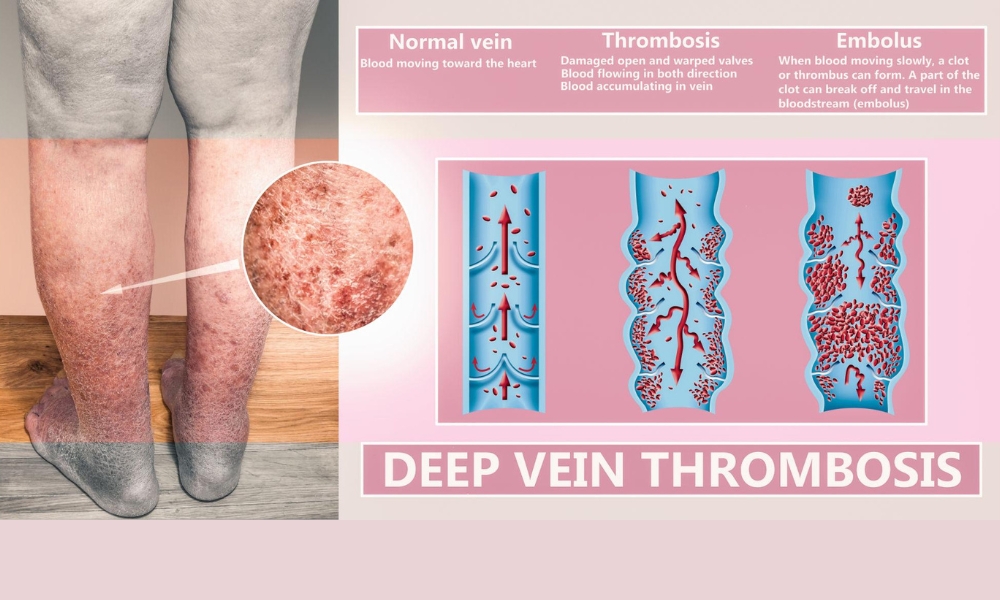
Blood clot complications can overlap with other emergency conditions. If symptoms include chest pain, breathing difficulty, or fainting, it is important to explore related emergency resources:
- severe breathing difficulty emergency care
- chest pain emergency evaluation
- fainting and dizziness emergencies
- 24/7 emergency services overview
- critical care emergency treatment
Frequently Asked Questions
What does a blood clot feel like in the leg?
It often feels like a deep ache, tightness, or heaviness in one leg, sometimes with swelling, warmth, or redness.
Can a blood clot go away on its own?
Some small clots may be broken down by the body, but medical treatment is often needed to prevent complications.
Is blood clot pain constant?
Yes, clot pain is often persistent and does not improve with rest or stretching like muscle pain.
What is the first sign of a blood clot?
Unexplained swelling, pain, or heaviness in one leg is often an early sign.
Can you walk with a blood clot?
Some people can still walk, but movement may worsen discomfort. Medical evaluation is important.
How serious is a blood clot?
Blood clots can become life-threatening if they travel to the lungs or block circulation.
What causes blood clots?
They can be caused by immobility, surgery, injury, smoking, obesity, or underlying medical conditions.
Do blood clots hurt to touch?
Yes, the affected area may feel tender or painful when pressed.
Can dehydration cause blood clots?
Dehydration may increase risk by thickening the blood and slowing circulation.
What happens if a blood clot reaches the lungs?
It can cause a pulmonary embolism, leading to chest pain, breathing difficulty, and medical emergency.
Final Thoughts
Blood clots are often silent at the beginning, which makes early recognition extremely important. Symptoms like unexplained leg pain, swelling, warmth, or heaviness should never be ignored, especially if they appear suddenly or affect only one side of the body.
The most dangerous complication occurs when a clot travels to the lungs, causing breathing difficulty, chest pain, or fainting. These symptoms require immediate emergency attention.
Understanding early warning signs can make a significant difference in preventing serious complications and ensuring timely treatment.
Disclaimer: This content is for educational purposes only and does not replace professional medical advice. If blood clot symptoms or breathing difficulties are suspected, seek emergency care immediately.
Emergency Care Reminder
If symptoms such as chest pain, sudden shortness of breath, or unexplained leg swelling occur, immediate evaluation at an emergency facility is strongly recommended. Early treatment can significantly reduce the risk of serious complications.
The post What Does a Blood Clot Feel Like? Signs, Symptoms & Early Warning Clues You Should Never Ignore appeared first on Heights Emergency Room.
]]>The post Warning Signs of a Stroke appeared first on Heights Emergency Room.
]]>Many people search online with urgent questions like “What are the warning signs of a stroke?”, “How do I know if someone is having a stroke?”, “Can stroke symptoms come suddenly?”, and “What should I do if I suspect a stroke?” These questions are important because stroke symptoms often appear without warning and can escalate quickly.
Unlike many other conditions, stroke does not usually cause gradual discomfort. Instead, symptoms tend to appear suddenly and affect speech, movement, vision, or balance. Knowing what to look for is essential for immediate action.
Table of Contents
Important Note
Stroke is a medical emergency where every minute matters. Early recognition of symptoms such as facial drooping, arm weakness, speech difficulty, or sudden confusion can significantly improve treatment outcomes. Immediate emergency evaluation is critical when stroke is suspected.
What Is a Stroke?
A stroke occurs when blood flow to the brain is blocked (ischemic stroke) or when a blood vessel in the brain bursts (hemorrhagic stroke). Both situations deprive brain tissue of oxygen, leading to rapid damage.
Because the brain controls movement, speech, memory, and vital functions, even a small interruption in blood flow can have serious consequences.
Some strokes are preceded by warning episodes called transient ischemic attacks (TIAs), sometimes referred to as “mini-strokes.” These may resolve quickly but still require urgent evaluation because they can signal a major stroke risk.
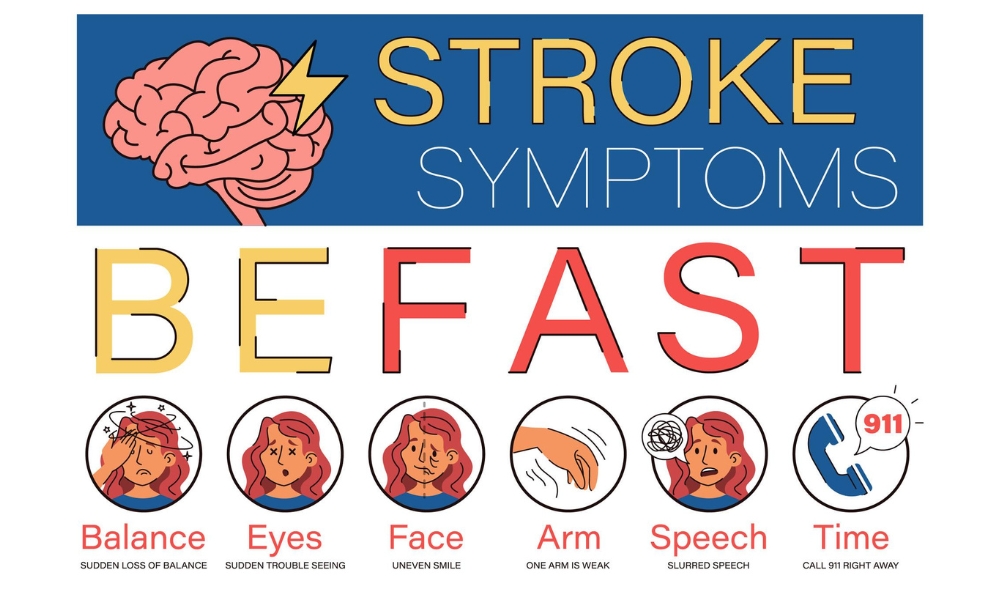
Early Warning Signs of a Stroke
Stroke symptoms often appear suddenly, but in some cases, subtle early warning signs may occur hours or days before a major event.
These early symptoms are often ignored because they may seem temporary or mild. However, they should never be dismissed.
Early Stroke Symptoms May Include:
- Sudden numbness in the face, arm, or leg
- Temporary weakness on one side of the body
- Mild speech difficulty or slurred words
- Brief vision changes
- Sudden dizziness or imbalance
- Confusion or difficulty concentrating
These symptoms may come and go, especially in TIA cases, but they still indicate a serious risk of stroke and require medical evaluation.
The FAST Stroke Test
One of the most widely used tools to recognize stroke symptoms is the FAST method. It helps quickly identify key warning signs.
- F – Face: Does one side of the face droop when smiling?
- A – Arms: Is one arm weak or drifting downward?
- S – Speech: Is speech slurred or difficult to understand?
- T – Time: Time to call emergency services immediately.
If any of these signs are present, immediate emergency care is required. Stroke treatment is highly time-sensitive, and delays can significantly affect recovery outcomes.
Sudden Stroke Symptoms
Most strokes present with sudden and noticeable changes. These symptoms often appear without pain, which can sometimes delay recognition.
Common sudden stroke symptoms include loss of coordination, difficulty speaking, vision loss in one eye, or inability to move one side of the body properly.
Some people describe a sudden feeling of “something being wrong” followed by physical or cognitive impairment.
Common Sudden Stroke Symptoms:
- Face drooping on one side
- Arm weakness or numbness
- Difficulty speaking or understanding speech
- Sudden confusion
- Loss of balance or coordination
- Sudden severe headache (in some cases)
These symptoms should always be treated as an emergency.
Stroke symptoms are not something to “wait and see.” Immediate action is essential.
Can Stroke Happen Without Warning?
Not every stroke looks dramatic in the beginning. In some cases, the brain may experience reduced blood flow without immediately causing obvious symptoms. These are sometimes called “silent strokes,” and while the name sounds harmless, they are not.
A silent stroke may not cause noticeable symptoms at the moment it happens, but it can still damage brain tissue over time. In many cases, it is only discovered later during brain imaging done for unrelated reasons. Even though symptoms may not be obvious, silent strokes can affect memory, thinking ability, and long-term brain function.
Another closely related condition is a transient ischemic attack, often called a TIA or “mini-stroke.” This occurs when blood flow to the brain is temporarily blocked and then restored before permanent damage occurs.
Mini-Stroke (TIA) Symptoms May Include:
- Sudden weakness or numbness on one side of the body
- Temporary difficulty speaking or understanding speech
- Brief vision loss or blurred vision
- Sudden dizziness or loss of balance
- Confusion that resolves within minutes or hours
Even though these symptoms may disappear, a TIA is a major warning sign. It often indicates a higher risk of a full stroke in the near future, sometimes within days or weeks.
Because of this, any sudden neurological symptom—no matter how quickly it improves—should always be evaluated in an emergency setting.
Who Is at Risk for Stroke?
Stroke can happen to anyone, but certain health conditions and lifestyle factors significantly increase the risk. Understanding these risk factors helps explain why stroke symptoms may appear suddenly in some individuals.
One of the strongest risk factors is high blood pressure. Over time, uncontrolled blood pressure can damage blood vessels in the brain, making them more likely to become blocked or burst.
Other conditions such as diabetes, high cholesterol, and heart disease also increase stroke risk by affecting circulation and blood vessel health.
Common Stroke Risk Factors:
- High blood pressure
- Diabetes
- High cholesterol
- Smoking
- Obesity
- Heart rhythm problems (such as atrial fibrillation)
- Physical inactivity
- Excess alcohol use
- Family history of stroke
Age also plays a role, with stroke risk increasing as people get older. However, stroke can still occur in younger adults, especially when risk factors are present.
What makes stroke particularly dangerous is that many of these risk factors do not cause symptoms on their own. A person may feel completely normal until a stroke occurs suddenly.
Stroke in Men vs Women
Stroke symptoms can sometimes present differently in men and women, which may lead to delayed recognition in certain cases.
While both genders commonly experience facial drooping, arm weakness, and speech difficulty, women may also experience less typical symptoms that are sometimes mistaken for other conditions.
Stroke Symptoms More Commonly Reported in Women:
- Sudden fatigue or weakness
- Confusion or disorientation
- Nausea or vomiting
- Sudden hiccups
- Chest discomfort or pressure
- Generalized weakness
These additional symptoms can sometimes lead to confusion, as they may resemble other medical issues such as migraines, anxiety, or fatigue. However, when they occur suddenly and without explanation, stroke should always be considered.
Men, on the other hand, more frequently present with classic symptoms such as sudden weakness on one side, speech difficulty, and facial drooping.
Why Stroke Symptoms Are Often Missed
One of the biggest challenges in stroke care is delayed recognition. Many people wait to see if symptoms improve or assume they are caused by less serious conditions such as stress, fatigue, or dehydration.
Because stroke symptoms can sometimes be painless, individuals may not realize the severity of the situation until significant damage has already occurred.
Another common issue is symptom fluctuation. In some cases, symptoms may improve briefly before returning, which can create a false sense of recovery. This is especially dangerous in cases of transient ischemic attack (TIA), where symptoms may resolve but the risk remains high.
When Stroke Becomes an Emergency
Stroke is always a medical emergency, but certain symptoms indicate an especially urgent situation requiring immediate action.
If any sudden neurological change occurs—especially involving speech, movement, vision, or balance—emergency evaluation should not be delayed.
Even if symptoms appear mild or temporary, they may still represent a serious underlying problem affecting blood flow to the brain.
Important Note
Stroke symptoms may appear suddenly and sometimes improve temporarily, but this does not mean the danger has passed. Early medical evaluation is essential because brain cells are highly sensitive to reduced oxygen. Even short delays can impact long-term recovery and neurological function.
Recognizing Subtle Stroke Symptoms
Not all stroke symptoms are dramatic. Some individuals may only notice subtle changes such as mild confusion, slight slurring of speech, or temporary weakness in a hand or leg.
These mild symptoms are often ignored or attributed to fatigue or stress. However, even subtle neurological changes can indicate a serious medical event.
Paying attention to sudden changes in how the body moves, speaks, or processes information is critical in early detection.
What Happens in the Brain During a Stroke
During a stroke, blood flow to part of the brain is disrupted. Brain cells rely on oxygen and nutrients delivered through blood vessels. When this supply is interrupted, cells begin to die within minutes.
The longer the interruption continues, the greater the potential damage. This is why stroke treatment is highly time-sensitive and why emergency care is critical.
Different parts of the brain control different functions, so symptoms depend on which area is affected. A stroke affecting speech centers may cause difficulty talking, while one affecting motor control may cause weakness or paralysis.
This variability is one reason stroke symptoms can look different from person to person.
When Stroke Symptoms Require Emergency Action
Stroke is always treated as a medical emergency because brain cells begin to die quickly when blood flow is interrupted. Even if symptoms seem mild or improve temporarily, the risk of permanent brain damage remains high without prompt treatment.
Many people hesitate, hoping symptoms will disappear on their own. However, with stroke, time lost often equals brain function lost. This is why emergency evaluation is recommended immediately when stroke symptoms are suspected.
Sudden changes in speech, movement, vision, balance, or mental clarity should never be ignored. Even if the symptoms last only a few minutes, they may indicate a transient ischemic attack, which can be a warning sign of a more severe stroke.
Emergency Stroke Warning Signs
- Sudden face drooping on one side
- Sudden arm or leg weakness
- Difficulty speaking or understanding speech
- Sudden confusion or disorientation
- Loss of vision in one or both eyes
- Severe dizziness or loss of balance
- Sudden severe headache with no clear cause
If any of these symptoms occur, immediate emergency care is essential.
How Doctors Diagnose a Stroke
In an emergency setting, stroke diagnosis focuses on identifying the type of stroke and how much brain tissue is affected. Quick diagnosis is critical because treatment decisions depend on whether the stroke is caused by a blocked artery or bleeding in the brain.
Initial Assessment
Doctors begin with a neurological examination to evaluate speech, strength, reflexes, vision, and coordination. This helps determine which part of the brain may be affected.
Medical history, including underlying conditions such as high blood pressure, diabetes, or heart disease, is also reviewed to understand risk factors.
Brain Imaging
Imaging is essential to confirm stroke and determine its type.
CT Scan: Often the first test used to quickly detect bleeding or major abnormalities
These scans help differentiate between ischemic stroke (blocked blood flow) and hemorrhagic stroke (bleeding in the brain), which require different treatments.
Additional Tests
Blood tests may be performed to check clotting ability, blood sugar levels, and other important health indicators. Heart tests such as ECG may also be used to identify irregular heart rhythms that can increase stroke risk.
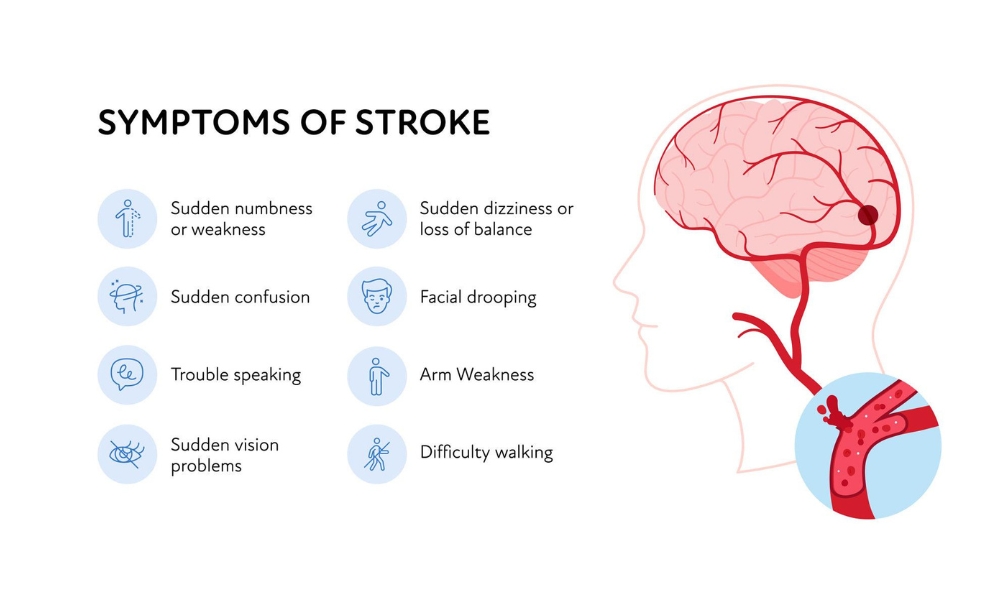
How Stroke Is Treated
Stroke treatment depends on the type of stroke and how quickly the patient receives care. Early treatment significantly improves the chances of recovery and reduces the risk of long-term disability.
Ischemic Stroke Treatment
Ischemic strokes occur when a blood clot blocks blood flow to the brain. Treatment may include medications that dissolve clots or procedures that physically remove the blockage.
One common treatment is clot-busting medication, which is most effective when given early. In some cases, doctors may perform a procedure to remove the clot directly from the blood vessel.
Hemorrhagic Stroke Treatment
Hemorrhagic strokes occur when a blood vessel in the brain ruptures and causes bleeding. Treatment focuses on controlling bleeding, reducing pressure in the brain, and stabilizing the patient.
Surgery may be required in severe cases to repair blood vessels or remove accumulated blood.
Why Time Is Critical
Stroke treatment is highly time-sensitive. The earlier blood flow is restored or bleeding is controlled, the better the outcome. Delays can lead to irreversible brain damage and long-term complications such as paralysis, speech difficulties, or memory loss.
Recovery After a Stroke
Recovery varies widely depending on the severity of the stroke and how quickly treatment was received. Some individuals recover fully, while others may experience long-term effects that require rehabilitation.
Rehabilitation may include physical therapy, speech therapy, and occupational therapy to help restore lost abilities and improve independence.
The brain has some ability to adapt and rewire itself after injury, which is why rehabilitation plays an important role in recovery.
Emotional and psychological changes are also common after stroke, including anxiety, depression, or frustration related to physical limitations.
Possible Complications
Without timely treatment, stroke can lead to serious complications, including long-term disability. The severity depends on how much brain tissue is affected and which areas of the brain are involved.
- Partial or full paralysis
- Speech difficulties
- Memory problems
- Difficulty swallowing
- Loss of coordination
- Emotional changes
Early recognition and treatment significantly reduce the risk of these complications.
What Happens in the First Minutes of a Stroke
During the first minutes of a stroke, brain cells begin to lose oxygen. This leads to rapid dysfunction in the affected area of the brain. Symptoms appear suddenly because the brain can no longer properly control certain body functions.
As time progresses, more brain cells are affected. This is why stroke treatment is often described as a race against time.
The faster blood flow is restored, the more brain tissue can be saved.
Emergency Stroke Care in Houston
If sudden stroke symptoms occur, immediate emergency evaluation is essential. Stroke cannot be safely diagnosed or treated at home. Rapid medical intervention is necessary to reduce the risk of permanent brain damage.
Heights Emergency Room provides 24/7 emergency care for stroke symptoms, including sudden weakness, speech difficulty, facial drooping, vision changes, confusion, and loss of balance.
Emergency physicians can perform rapid neurological assessment, imaging, and stabilization to determine the cause of symptoms and begin appropriate treatment immediately.
Do not wait if stroke symptoms are suspected. Immediate emergency care may protect brain function and improve recovery outcomes.
Important Note
Stroke is a time-critical medical emergency. Even if symptoms improve or disappear, underlying brain injury may still be present. Rapid evaluation is essential because early treatment can significantly reduce long-term neurological damage and improve survival outcomes.
Frequently Asked Questions
What are the first warning signs of a stroke?
Sudden face drooping, arm weakness, speech difficulty, confusion, and vision changes are common early signs.
Can stroke symptoms come suddenly?
Yes. Stroke symptoms typically appear suddenly and without warning.
What should I do if I suspect a stroke?
Seek emergency medical care immediately. Do not wait for symptoms to improve.
Can a stroke happen without pain?
Yes. Most strokes are painless, which is why they are often missed initially.
What is a mini stroke?
A mini stroke, or TIA, is a temporary blockage of blood flow to the brain that resolves but signals high stroke risk.
Can stroke symptoms go away?
Yes, especially in TIAs, but medical evaluation is still necessary.
Is stroke always an emergency?
Yes. Stroke is always a medical emergency requiring immediate attention.
What causes stroke?
Stroke is caused by blocked or ruptured blood vessels in the brain.
Can young people have strokes?
Yes. Stroke can occur at any age, although risk increases with certain conditions.
How is stroke diagnosed?
Doctors use neurological exams and imaging such as CT or MRI scans.
Can stroke be treated?
Yes. Early treatment can restore blood flow or control bleeding and improve outcomes.
What is FAST in stroke?
FAST stands for Face drooping, Arm weakness, Speech difficulty, and Time to call emergency services.
How fast does a stroke progress?
Stroke can progress within minutes, making immediate care critical.
Can stress cause a stroke?
Stress alone is not a direct cause but may contribute to risk factors like high blood pressure.
What is the survival rate of stroke?
Survival depends on stroke type, severity, and how quickly treatment is received.
Final Thoughts
Stroke is one of the most serious medical emergencies because it affects the brain’s ability to control essential body functions. Recognizing stroke symptoms early—such as sudden weakness, speech difficulty, or facial drooping—can significantly improve outcomes.
Because stroke progresses rapidly, immediate medical attention is critical. Even temporary or mild symptoms may indicate a serious underlying condition that requires urgent evaluation.
If stroke symptoms are suspected, emergency care should not be delayed. Fast action can help preserve brain function and reduce long-term complications.
Disclaimer: This content is for educational purposes only and should not replace professional medical advice. If stroke is suspected, call emergency services immediately.
The post Warning Signs of a Stroke appeared first on Heights Emergency Room.
]]>The post When Symptoms Mean You Should Go to the Emergency Room Immediately appeared first on Heights Emergency Room.
]]>Life can change in an instant when sudden, severe symptoms appear. Feeling confused, weak, or in pain can leave anyone unsure whether to wait for a doctor’s appointment or seek immediate care. Many people struggle with this decision, wondering: Is this serious enough for an ER visit?
Understanding when to go to emergency room is crucial. Quick recognition of dangerous signs can save lives, prevent complications, and ensure timely treatment. This guide explains common symptoms that require urgent care, why immediate evaluation matters, and how emergency rooms provide critical support.
Common Symptoms That Require Immediate ER Care
Certain symptoms always deserve fast attention. If any appear suddenly or worsen quickly, heading to an emergency room near me is the safest choice.
Severe Chest Pain or Pressure
-
Crushing or tight chest sensation
-
Pain radiating to the jaw, arm, neck, or back
-
Shortness of breath or dizziness
-
Cold sweat or nausea
These signs may indicate heart attack, pulmonary embolism, or another serious cardiac issue. Immediate evaluation is critical.
Difficulty Breathing
-
Rapid, labored, or noisy breathing
-
Wheezing, stridor, or gasping for air
-
Blue lips, fingers, or nails
-
Persistent cough with distress
Breathing problems can develop suddenly in children or adults, sometimes from asthma attacks, infections, or blockages in the airway.
Severe Abdominal Pain
-
Sudden, intense pain in the lower or upper abdomen
-
Pain accompanied by vomiting, fever, or swelling
-
Inability to keep fluids down
Potential causes include appendicitis, gallstones, bowel obstruction, or other acute gastrointestinal emergencies.
Neurological Changes
-
Sudden confusion or difficulty speaking
-
Weakness or numbness on one side of the body
-
Severe headache, vision changes, or loss of balance
These could signal a stroke, brain bleed, or other neurological emergencies.
High Fever or Persistent Vomiting
-
Fever above 104°F (40°C) in children or adults
-
Uncontrollable vomiting or signs of dehydration
-
Lethargy or unresponsiveness
Serious infections or sepsis can escalate quickly and require rapid intervention.
Trauma or Injury
-
Head, chest, or abdominal injuries from accidents or falls
-
Broken bones protruding through the skin
-
Heavy bleeding that does not stop
Any severe trauma demands immediate medical attention to prevent complications or permanent damage.
Why Quick Evaluation Matters
Emergency rooms provide rapid assessment that may not be available in a primary care setting. The sooner dangerous conditions are identified, the faster treatment can begin.
Quick evaluation can:
-
Stabilize vital signs
-
Prevent complications from worsening conditions
-
Provide advanced imaging and diagnostic tests
-
Initiate immediate treatment for life-threatening conditions
Even small delays can increase risks in emergencies such as strokes, heart attacks, or severe infections.
How the ER Evaluates Symptoms
When patients arrive with concerning symptoms, ER teams follow a structured approach to quickly determine severity:
- Triage Assessment – Staff prioritize based on the seriousness of symptoms.
- Vital Signs Monitoring – Heart rate, blood pressure, oxygen levels, and temperature are checked.
- Physical Examination – Doctors examine affected systems, such as lungs, heart, abdomen, or neurological status.
- Diagnostic Testing – Blood work, X-rays, CT scans, EKGs, and other tests help pinpoint the cause.
- Treatment Initiation – Pain relief, IV fluids, oxygen, medications, or emergency procedures are started as needed.
This fast, systematic approach ensures that critical conditions receive prompt attention.
Conditions Often Seen in the ER
A variety of conditions bring patients to the ER when symptoms appear suddenly:
-
Heart attacks or angina
-
Pulmonary embolism or pneumonia
-
Severe asthma attacks or allergic reactions
-
Stroke or transient ischemic attacks (TIAs)
-
Appendicitis or intestinal obstruction
-
Sepsis or severe infections
-
Trauma, fractures, or burns
Recognizing the severity of these conditions can make the difference between recovery and serious complications.
When to Call an Ambulance
In certain situations, calling emergency services before reaching the hospital is safer than driving.
-
Unconscious or unresponsive patients
-
Chest pain with shortness of breath or sweating
-
Severe difficulty breathing
-
Stroke symptoms such as slurred speech or one-sided weakness
-
Major trauma or heavy bleeding
Paramedics provide life-saving interventions en route and alert the ER to prepare for urgent treatment.
Home Care vs. Immediate ER Visit
Not every symptom requires an emergency visit. For example, mild pain, low-grade fever, or minor injuries can often be safely monitored at home and later evaluated by a primary care physician. In these cases, rest, hydration, and symptom tracking are usually sufficient.
However, there are times when quick action is critical. Knowing when to go to emergency room applies whenever:
-
Symptoms appear suddenly or are severe
-
Vital signs, such as heart rate, breathing, or blood pressure, are unstable
-
There is a risk of rapid deterioration
-
Uncertainty exists about the seriousness of the symptoms
Even if it is unclear whether the situation is an emergency, it is always safer to err on the side of caution. Prompt evaluation can prevent complications and provide reassurance.
Tips for a Smooth ER Visit
Preparing in advance can make the ER experience faster, less stressful, and more effective for both patients and caregivers. To ensure a smooth visit:
-
Bring a complete list of medications, known allergies, and relevant medical history. This allows staff to avoid delays or potential medication conflicts.
-
Record the onset, duration, and intensity of symptoms. Being able to describe how the problem started and progressed gives the ER team a clearer picture.
-
Note any recent exposures, injuries, or triggers that may have caused or worsened the symptoms.
-
Remain calm and reassure children or vulnerable adults. A calm presence can reduce anxiety and make it easier for medical staff to evaluate the patient.
-
Communicate clearly with staff about changes in condition, even minor ones. Small details can make a big difference in treatment decisions.
Providing organized and accurate information helps ER teams act quickly and efficiently, improving both care and outcomes.
Preventing Medical Emergencies
While not all emergencies can be prevented, taking proactive steps in daily life significantly reduces the risk of severe health events. For example:
-
Maintain regular check-ups with a primary care provider to catch issues early
-
Monitor chronic conditions such as diabetes, hypertension, and heart disease, and follow recommended treatment plans
-
Stay physically active and follow a balanced, nutrient-rich diet
-
Avoid smoking, limit alcohol intake, and manage stress effectively
-
Educate family members about early warning signs of serious illness, so they can act quickly if symptoms appear
By recognizing early warning signs and maintaining preventive care, individuals can reduce the likelihood of a severe emergency while improving overall health.
Long-Term Outlook
The outcomes of medical emergencies often depend on both the nature of the condition and how quickly treatment is received. Patients who arrive promptly at an emergency room tend to recover fully, whereas delays can increase the risk of complications or prolonged recovery.
Understanding when to go to emergency room empowers individuals and families to act decisively. By responding promptly to warning signs, patients improve their chances of successful recovery and gain peace of mind, knowing that they made the right decision in a critical moment.
FAQs
1. How do I know if I need the ER immediately?
Severe, sudden, or worsening symptoms like chest pain, difficulty breathing, or neurological changes warrant an immediate visit.
2. Can minor symptoms turn into emergencies?
Yes. Symptoms like mild chest tightness, dizziness, or fever can escalate quickly. Monitoring and prompt evaluation are crucial.
3. Should children be taken to the ER for high fever?
A fever above 104°F (40°C), persistent vomiting, or lethargy in children is a potential child fever emergency requiring urgent care.
4. When is it better to call an ambulance rather than drive?
Call EMS if the patient is unconscious, has severe chest pain, difficulty breathing, or major trauma.
5. How can I prepare for a fast ER visit?
Bring medications, allergies, symptom timeline, and any relevant medical history to help staff provide quick and accurate care.
Final Thoughts
Knowing when to go to emergency room can save lives. Severe, sudden, or worsening symptoms should never be ignored. Emergency rooms near me are equipped to provide rapid evaluation, treatment, and monitoring for critical conditions. Acting promptly ensures the best chance for a safe and complete recovery.
Medical Disclaimer: This article is for educational purposes only and does not replace professional medical advice, diagnosis, or treatment. Anyone experiencing severe or sudden symptoms should be evaluated by a qualified healthcare professional immediately.
The post When Symptoms Mean You Should Go to the Emergency Room Immediately appeared first on Heights Emergency Room.
]]>The post When Is a Fever Dangerous for a Child? appeared first on Heights Emergency Room.
]]>They’re flushed. Tired. Not acting like themselves.
You grab the thermometer.
103.5°F.
Now your mind starts racing.
Should I wait?
Should I call the pediatrician?
Should I go to urgent care?
Or is this an emergency?
Every parent has experienced this moment. Fever is one of the most common reasons children visit a doctor or emergency room. Most fevers are caused by common viral infections and improve with rest, fluids, and fever-reducing medication.
However, some fevers can signal a serious medical condition that requires immediate medical attention.
Quick Answer: When Is a Fever Dangerous for a Child?
A fever can become dangerous when it occurs in a baby younger than 3 months, rises above 104°F, causes a seizure, or is accompanied by difficulty breathing, dehydration, severe headache, stiff neck, confusion, persistent vomiting, unusual sleepiness, or rash.
If your child appears very ill or your parental instinct tells you something is wrong, seek emergency medical care immediately.
Heights Emergency Room Houston provides 24/7 pediatric emergency care with no wait times, board-certified emergency physicians, advanced imaging, on-site laboratory testing, and rapid treatment for children of all ages.
What Is Considered a Fever in Children?
A fever is generally defined as a body temperature of 100.4°F (38°C) or higher.
Fever itself is not a disease. It is usually a sign that your child’s immune system is fighting an infection.
Common causes include:
- Cold and flu viruses
- COVID-19
- RSV
- Ear infections
- Strep throat
- Pneumonia
- Urinary tract infections
- Gastrointestinal infections
- Other viral and bacterial illnesses
Most childhood fevers improve within a few days. However, the symptoms associated with the fever are often more important than the actual temperature.
Important: A child with a temperature of 103°F who is alert, drinking fluids, and interacting normally may be less concerning than a child with a temperature of 101°F who is lethargic and difficult to wake.
When Is a Fever Dangerous?
Parents should seek emergency care if a fever is accompanied by any of the following symptoms:
Difficulty Breathing
- Rapid breathing
- Wheezing
- Chest retractions
- Blue lips
- Difficulty speaking or crying
Breathing difficulties can indicate a serious respiratory infection or other medical emergency.
Seizures
A febrile seizure can occur when a child’s temperature rises quickly.
Seek emergency care if:
- The seizure lasts longer than 5 minutes
- The child has trouble breathing
- The child does not return to normal afterward
- This is the child’s first seizure
Severe Dehydration
Watch for:
- No urination for 8-12 hours
- Dry mouth
- No tears when crying
- Sunken eyes
- Extreme weakness
Children can become dehydrated much faster than adults.
Stiff Neck or Severe Headache
Fever combined with a stiff neck, severe headache, confusion, or sensitivity to light requires immediate medical evaluation.
Extreme Sleepiness or Confusion
If your child is difficult to wake, confused, unusually lethargic, or not responding normally, seek emergency care immediately.
Rash With Fever
A rapidly spreading rash, purple rash, or rash that does not fade when pressed should be evaluated immediately.
Fever by Age: When Parents Should Worry
Infants Younger Than 3 Months
Any fever of 100.4°F or higher in a baby younger than three months is considered a medical emergency.
Newborns and young infants have immature immune systems and can become seriously ill very quickly.
Babies 3 to 12 Months
Seek medical care if your child has:
- Fever above 102°F
- Poor feeding
- Persistent vomiting
- Difficulty breathing
- Extreme irritability
- Unusual sleepiness
Toddlers and Older Children
For older children, behavior is often more important than the actual temperature reading.
If your child is drinking fluids, urinating normally, making eye contact, and acting relatively normal between fever spikes, the illness may be less severe.
Signs of Dehydration Every Parent Should Know
Dehydration is one of the most common complications of fever.
Warning signs include:
- Dry lips and mouth
- No tears when crying
- Decreased urination
- Sunken eyes
- Dizziness
- Extreme fatigue
- Refusal to drink fluids
Prompt treatment can prevent dehydration from becoming severe.
When Your Child Needs the ER Right Now
Go to the Emergency Room Immediately If Your Child Has:
- Difficulty breathing
- Seizure
- Severe dehydration
- Stiff neck
- Confusion or extreme sleepiness
- Persistent vomiting
- Severe headache
- Rash with fever
- Severe abdominal pain
- Blue lips or skin
- Fever above 104°F
- Any fever in a baby younger than 3 months
Parents often say, “I just knew something was wrong.”
Trust your instincts. You know your child better than anyone.
Urgent Care vs Emergency Room
Urgent Care May Be Appropriate For:
- Mild fever
- Minor cold symptoms
- Sore throat
- Ear infections
- Mild viral illnesses
Emergency Room Is Recommended For:
- High fever with serious symptoms
- Breathing difficulties
- Seizures
- Severe dehydration
- Altered mental status
- Infants younger than 3 months with fever
- Serious infections
Why Parents Choose Heights Emergency Room Houston
When your child is sick, every minute matters.
At Heights Emergency Room Houston, we provide:
- Open 24 Hours a Day, 7 Days a Week
- No Wait Time Emergency Care
- Board-Certified Emergency Physicians
- Pediatric Emergency Care
- On-Site Laboratory Testing
- CT Scan
- X-Ray
- Ultrasound
- EKG
- IV Fluid Treatment
- Rapid Diagnosis and Treatment
We proudly serve patients throughout Houston Heights, Greater Heights, Timbergrove, Garden Oaks, Oak Forest, Montrose, Washington Avenue, Downtown Houston, and surrounding communities.
What To Expect When You Arrive
Step 1: Immediate Evaluation
Your child is quickly assessed by our emergency team.
Step 2: Private Treatment Room
Your family is brought directly to a private treatment room.
Step 3: Physician Examination
A board-certified emergency physician evaluates your child and develops a treatment plan.
Step 4: Diagnostic Testing
Testing may include:
- Flu testing
- COVID testing
- RSV testing
- Strep testing
- Blood work
- Urinalysis
- X-rays
- Other imaging studies
Step 5: Treatment and Answers
Your child receives prompt treatment and you leave with a clear diagnosis and care plan.
Don’t Wait When Fever Becomes an Emergency
Heights Emergency Room Houston is open 24/7 with no wait time, board-certified emergency physicians, advanced diagnostics, and expert pediatric emergency care.
Walk in anytime for immediate emergency treatment.
Frequently Asked Questions
What temperature is too high for a child?
A fever above 104°F should be evaluated promptly, especially if accompanied by concerning symptoms.
Is a 103°F fever dangerous?
It can be if your child has difficulty breathing, dehydration, seizure, confusion, or other serious symptoms.
Can fever cause seizures?
Yes. Febrile seizures can occur in some children when fever rises rapidly.
When should I take my child to the ER for fever?
Seek emergency care if fever occurs with breathing difficulties, seizure, dehydration, stiff neck, confusion, persistent vomiting, rash, or in babies younger than 3 months.
Can urgent care treat a child’s fever?
Urgent care can treat mild fever and minor illnesses. Serious symptoms require emergency room evaluation.
The Bottom Line
Most childhood fevers are not dangerous and improve with time. However, fever accompanied by breathing problems, dehydration, seizure, confusion, stiff neck, severe headache, persistent vomiting, or unusual sleepiness should never be ignored.
If your child develops serious symptoms or your instincts tell you something is wrong, seek emergency care immediately.
Heights Emergency Room Houston is open 24/7 with board-certified emergency physicians, advanced diagnostics, and pediatric emergency care for children of all ages.
Medical Disclaimer: This article is for informational purposes only and does not replace professional medical advice, diagnosis, or treatment. If you believe your child is experiencing a medical emergency, call 911 or visit the nearest emergency room immediately.
The post When Is a Fever Dangerous for a Child? appeared first on Heights Emergency Room.
]]>The post What Does Appendicitis Feel Like? appeared first on Heights Emergency Room.
]]>Many people search questions such as “What does appendicitis feel like?”, “Where does appendicitis pain start?”, “How do I know if I have appendicitis?”, and “What are the first signs of appendicitis?” The challenge is that appendicitis does not always begin with severe pain. In many cases, symptoms start subtly and become more noticeable over time.
Some individuals initially think they have indigestion, a stomach virus, gas pain, or food poisoning. Others notice vague discomfort near the belly button that gradually moves to the lower right side of the abdomen. As inflammation worsens, the pain often becomes harder to ignore.
Understanding how appendicitis symptoms typically develop can help people recognize warning signs and seek medical attention before complications occur.
Table of Contents
- Important Information Before Reading
- What Does Appendicitis Feel Like?
- Early Appendicitis Symptoms
- Where Is Appendicitis Pain Located?
- How Appendicitis Pain Changes Over Time
- Other Signs of Appendicitis
- Appendicitis vs Gas Pain
- When Should Appendicitis Be Taken Seriously?
- How Doctors Diagnose Appendicitis
- Treatment Options
- Emergency Appendicitis Care in Houston
- Frequently Asked Questions
Important Note
Appendicitis symptoms can begin gradually and may initially resemble less serious digestive issues. However, untreated appendicitis can lead to rupture, infection, and potentially serious complications. Recognizing early warning signs and understanding how symptoms typically progress may help support faster medical evaluation and treatment.
What Does Appendicitis Feel Like?
The most direct answer is that appendicitis often begins as a vague discomfort around the belly button and gradually develops into a sharper, more intense pain in the lower right side of the abdomen.
Many people describe the pain as different from typical stomach aches. Rather than coming and going like gas pain, appendicitis discomfort often becomes progressively worse. Walking, coughing, laughing, sneezing, or even riding in a car over bumps may increase the pain.
One reason appendicitis can be difficult to recognize early is that symptoms vary from person to person. Some individuals experience classic symptoms, while others develop less typical patterns. Age, anatomy, pregnancy, and overall health can influence how symptoms appear.
In emergency medicine, one of the most important clues is the progression of symptoms. Appendicitis pain often changes location and intensity over time, making the timeline of symptoms particularly important.

Early Appendicitis Symptoms
One of the most commonly searched questions is whether appendicitis starts suddenly or gradually. The answer is that it often begins with subtle symptoms that become more severe over several hours.
During the earliest stages, many people report a general feeling that something is not quite right. There may be mild abdominal discomfort, reduced appetite, nausea, or an unusual feeling of fullness.
The pain frequently begins near the center of the abdomen, close to the belly button. At this stage, it may be difficult to pinpoint the exact location.
Common Early Appendicitis Symptoms
- Abdominal discomfort near the belly button
- Loss of appetite
- Mild nausea
- Feeling bloated
- General abdominal tenderness
- Mild fatigue
- Low-grade fever in some cases
Because these symptoms can resemble common digestive issues, many people delay seeking medical care. Unfortunately, appendicitis does not typically improve on its own and often continues to worsen as inflammation increases.
A key difference between appendicitis and minor digestive discomfort is that appendicitis symptoms tend to become more noticeable rather than resolving with time.
Where Is Appendicitis Pain Located?
Understanding where appendicitis pain occurs can help explain why the condition is often recognized only after symptoms progress.
The appendix is a small, finger-shaped pouch attached to the large intestine. In most people, it is located in the lower right portion of the abdomen.
However, pain does not always start there.
Many individuals first notice discomfort around the belly button. As inflammation worsens and begins affecting nearby tissues, the pain often migrates toward the lower right abdomen. This movement of pain is considered one of the classic signs of appendicitis.
Typical Appendicitis Pain Location
- Starts near the belly button
- Gradually moves to the lower right abdomen
- Becomes more localized over time
- Often worsens with movement
- May become sharp and constant
Not everyone experiences this exact pattern. Some individuals have an appendix located in a slightly different position, which can cause pain in other areas of the abdomen, pelvis, or even the back.
How Appendicitis Pain Changes Over Time
One of the defining characteristics of appendicitis is that symptoms often evolve over several hours.
Initially, the discomfort may feel dull, crampy, or difficult to locate. As inflammation increases, the pain typically becomes sharper, more focused, and more persistent.
Patients frequently describe the sensation as a pain that refuses to go away. Unlike temporary stomach discomfort that improves after passing gas, using the bathroom, or resting, appendicitis pain generally becomes more intense.
Walking may become uncomfortable. Some people find it painful to stand upright. Even small movements such as coughing or sneezing can trigger a noticeable increase in discomfort.
By the time the inflammation becomes severe, many individuals find it difficult to ignore the symptoms.
What Does Severe Appendicitis Pain Feel Like?
As appendicitis progresses, people often describe:
- Sharp abdominal pain
- Constant pain rather than intermittent discomfort
- Pain that worsens with movement
- Tenderness when touching the abdomen
- Pain while walking
- Pain during coughing or sneezing
- Increasing discomfort over time
One particularly concerning sign is pain that becomes suddenly different after several hours of worsening symptoms. In some cases, this may indicate a ruptured appendix, which requires immediate medical attention.
Other Signs of Appendicitis
While abdominal pain is usually the symptom that receives the most attention, appendicitis rarely causes pain alone. As inflammation develops, the body often responds in ways that create additional symptoms that can help healthcare providers identify the condition.
Many people searching for appendicitis symptoms are surprised to learn that digestive changes frequently appear before the pain becomes severe. Others notice nausea or a loss of appetite long before they experience significant discomfort in the lower right abdomen.
These accompanying symptoms may seem minor at first, but together they can provide important clues.
Common Signs of Appendicitis
- Abdominal pain
- Loss of appetite
- Nausea
- Vomiting
- Low-grade fever
- Bloating
- Abdominal tenderness
- Constipation
- Diarrhea in some cases
- Difficulty passing gas
Not every person develops every symptom. Some people experience primarily pain, while others notice nausea and appetite loss as their most prominent complaints.
Loss of Appetite Is Often Overlooked
One of the earliest signs of appendicitis is a sudden loss of appetite. Someone who normally enjoys meals may find food unappealing or may feel full after eating only a small amount.
This symptom may seem insignificant initially, but it commonly appears in appendicitis and often accompanies worsening abdominal discomfort.
Nausea and Vomiting
Nausea frequently develops after the abdominal pain begins. Many patients describe feeling queasy, unsettled, or unable to tolerate food.
Vomiting may occur as inflammation increases. While occasional nausea can occur with many digestive conditions, persistent abdominal pain combined with vomiting deserves medical attention.
When abdominal pain becomes severe enough to prevent eating, drinking, or normal daily activities, emergency evaluation may be appropriate.
Fever and Chills
As the body’s immune system responds to inflammation, a mild fever may develop. Fever is not always present during the earliest stages of appendicitis, but it becomes more common as the condition progresses.
A rising fever combined with worsening abdominal pain may indicate advancing inflammation or infection.
If a fever develops alongside severe abdominal pain, nausea, vomiting, or increasing tenderness, prompt medical evaluation is important.
Appendicitis vs Gas Pain: How Can the Difference Be Recognized?
One of the most common questions people ask is whether appendicitis can feel like gas pain. The answer is yes—at least initially.
Early appendicitis may create vague abdominal discomfort that resembles trapped gas, bloating, indigestion, or a mild stomach virus. This similarity is one reason some people delay seeking care.
However, several important differences often emerge over time.
Gas Pain Usually:
- Comes and goes
- Changes location frequently
- Improves after passing gas
- Improves after a bowel movement
- Often resolves within hours
Appendicitis Pain Often:
- Gets progressively worse
- Becomes more localized
- Does not improve after passing gas
- Persists despite rest
- May worsen with movement
People often search “How do I know if it’s appendicitis or gas?” Unfortunately, there is no reliable way to determine this based solely on symptoms at home. Persistent or worsening pain should be evaluated by a healthcare professional.
Can Appendicitis Cause Back Pain?
Although appendicitis is most commonly associated with right lower abdominal pain, some individuals experience discomfort in less typical locations.
Because the appendix can sit in slightly different positions inside the abdomen, inflammation may occasionally produce pain that radiates into the lower back, flank, pelvis, or groin.
This variation can make diagnosis more challenging because symptoms may resemble kidney stones, urinary tract problems, muscle injuries, or other abdominal conditions.
Any persistent abdominal pain accompanied by nausea, fever, or worsening symptoms should be taken seriously regardless of where the discomfort is felt.
Appendicitis Symptoms in Women
Diagnosing appendicitis in women can sometimes be more complicated because several gynecologic conditions may cause symptoms that overlap with appendicitis.
Ovarian cysts, ovarian torsion, endometriosis, pelvic inflammatory disease, and certain pregnancy-related conditions can all cause lower abdominal pain.
Because these conditions can produce symptoms similar to appendicitis, imaging studies and medical evaluation are often necessary to identify the true cause.
Women experiencing severe lower abdominal pain, nausea, fever, dizziness, or worsening symptoms should not assume the pain is related to menstrual cycles or reproductive health without proper assessment.
Appendicitis Symptoms Women Commonly Report
- Lower right abdominal pain
- Nausea
- Loss of appetite
- Pelvic discomfort
- Abdominal tenderness
- Fever
- Pain during movement
Because symptom overlap is common, emergency physicians often evaluate multiple possible causes simultaneously.
Appendicitis Symptoms in Children
Children may not always describe their symptoms clearly, which can make appendicitis more difficult to recognize.
Parents often notice behavioral changes before a child can explain the pain. A child who normally plays actively may suddenly become withdrawn, refuse food, or complain of stomach pain.
In younger children, symptoms can progress rapidly. Delays in diagnosis may increase the risk of complications.
Possible Signs of Appendicitis in Children
- Abdominal pain
- Crying when moving
- Refusal to eat
- Nausea or vomiting
- Fever
- Difficulty walking comfortably
- Tender abdomen
- Unusual fatigue
If a child develops worsening abdominal pain, persistent vomiting, fever, or significant tenderness, prompt medical evaluation is recommended.
Appendicitis Symptoms in Older Adults
Older adults sometimes experience less obvious symptoms than younger individuals. The pain may be milder, fever may be absent, and symptoms can progress without the classic presentation seen in textbooks.
Because diagnosis may be delayed in older adults, complications such as rupture can occur more frequently.
Persistent abdominal pain should never be dismissed simply because symptoms seem mild.
Important Note
Many causes of abdominal pain are relatively minor and improve without emergency treatment. However, appendicitis is one of the conditions that tends to worsen rather than improve over time. Pain that becomes increasingly severe, spreads, or occurs alongside fever, vomiting, or significant tenderness should not be ignored. Early evaluation may reduce the risk of complications such as rupture and serious infection.
What Happens If the Appendix Bursts?
One of the reasons appendicitis is considered a medical emergency is the risk of rupture.
A ruptured appendix occurs when inflammation becomes severe enough to cause the appendix wall to break open. When this happens, bacteria and infected material can spread into the abdominal cavity.
This can lead to a serious infection known as peritonitis, which may become life-threatening if treatment is delayed.
Possible Signs of a Burst Appendix
- Severe abdominal pain
- Pain that suddenly changes
- High fever
- Rapid heart rate
- Severe abdominal tenderness
- Abdominal swelling
- Confusion in severe cases
- Worsening illness
Many people search “What does a burst appendix feel like?” Symptoms vary, but severe worsening pain, fever, abdominal rigidity, and signs of serious illness require immediate emergency evaluation.
Because rupture can occur within a relatively short period after symptoms begin, delaying care can increase the likelihood of complications.
When Should Appendicitis Be Taken Seriously?
Appendicitis should always be taken seriously because symptoms can progress from mild discomfort to a surgical emergency in a relatively short period of time. While not every case follows the same timeline, delaying evaluation can increase the risk of complications, including rupture and widespread abdominal infection.
Many people hope abdominal pain will simply go away. Sometimes it does. However, appendicitis is different because symptoms typically become more noticeable rather than improving.
One of the most important warning signs is pain that steadily worsens over several hours. Pain that begins near the belly button and then moves toward the lower right abdomen is another classic pattern.
When appendicitis is suspected, it is generally safer to seek medical evaluation rather than wait for symptoms to become severe.
Warning Signs That Need Prompt Medical Attention
- Persistent abdominal pain that continues worsening
- Pain that moves to the lower right abdomen
- Nausea and vomiting with abdominal pain
- Loss of appetite lasting several hours
- Fever with abdominal tenderness
- Pain that worsens when walking or moving
- Difficulty standing upright because of pain
- Increasing abdominal swelling
- Severe abdominal tenderness
- Symptoms suggesting a ruptured appendix
Individuals experiencing these symptoms should not rely solely on internet searches, AI tools, or home remedies to determine whether appendicitis is present.
When Should Someone Go to the ER for Appendicitis?
Many people search questions such as “When should I go to the ER for appendicitis?” or “Is appendicitis an emergency?”
The answer is that appendicitis often requires emergency evaluation because healthcare providers need to determine whether surgery or other urgent treatment is necessary.
Emergency evaluation is especially important when abdominal pain becomes severe, continues worsening, or occurs alongside symptoms such as fever, vomiting, or significant tenderness.
Consider Emergency Evaluation If There Is:
- Severe abdominal pain
- Pain concentrated in the lower right abdomen
- Persistent vomiting
- Inability to keep fluids down
- High fever
- Abdominal swelling
- Severe tenderness when touching the abdomen
- Difficulty walking because of pain
- Sudden worsening of symptoms
- Concern for a ruptured appendix
Prompt diagnosis may reduce the risk of complications and help ensure appropriate treatment before the condition becomes more serious.
How Do Doctors Diagnose Appendicitis?
Diagnosing appendicitis involves more than simply identifying abdominal pain. Emergency physicians evaluate symptoms, medical history, physical examination findings, laboratory testing, and imaging studies to determine the most likely cause.
Several other conditions can mimic appendicitis, including kidney stones, gallbladder disease, intestinal infections, ovarian conditions, and other abdominal disorders. Because of this overlap, diagnostic testing is often necessary.
Physical Examination
During the examination, healthcare providers may gently press on different areas of the abdomen to identify tenderness, guarding, or pain patterns associated with appendicitis.
The location of pain, timing of symptoms, and progression of discomfort can provide valuable diagnostic clues.
Blood Tests
Blood work may help identify signs of infection or inflammation. While blood tests alone cannot confirm appendicitis, they often contribute important information during the evaluation process.
Imaging Studies
Imaging frequently plays a major role in diagnosis.
Depending on age, symptoms, and clinical findings, physicians may use:
- CT scans
- Ultrasound
- MRI in certain situations
These imaging studies help visualize the appendix and identify inflammation, enlargement, rupture, or other causes of abdominal pain.
Accurate diagnosis is important because treatment decisions depend on understanding the underlying cause of symptoms.
How Is Appendicitis Treated?
Treatment depends on the severity of the condition, the patient’s overall health, and whether complications have developed.
In many cases, surgery is the standard treatment because removing the inflamed appendix eliminates the source of the problem and helps prevent rupture.
Appendectomy
An appendectomy is the surgical removal of the appendix. Today, many procedures are performed using minimally invasive techniques that involve smaller incisions and often allow for faster recovery.
The specific surgical approach depends on the patient’s condition and the surgeon’s assessment.
Antibiotics
Antibiotics are commonly used when appendicitis is diagnosed. In some situations, antibiotics may be administered before surgery or as part of treatment for specific cases.
The exact treatment plan varies based on the severity of inflammation and whether rupture has occurred.
Treatment for a Ruptured Appendix
If the appendix has already ruptured, treatment may become more complex. Additional antibiotics, drainage procedures, hospitalization, and close monitoring may be necessary.
This is one reason early recognition and evaluation are so important.

Related Emergency Symptoms Worth Understanding
Abdominal pain sometimes occurs alongside other symptoms that may require emergency evaluation. Depending on the cause, patients may also experience dehydration, dizziness, weakness, vomiting, fever, or signs of internal illness.
Readers may also find helpful information in related emergency care resources such as What Are the Symptoms of Dehydration?, What Does Internal Bleeding Feel Like?, Why Am I So Dizzy All of a Sudden?, When Should I Go to the ER for a Headache?, What Does a Mini Stroke Feel Like?, and What Causes Chest Pain on the Left Side?.
Emergency Appendicitis Care in Houston at Heights Emergency Room
If severe abdominal pain, appendicitis symptoms, nausea, vomiting, fever, abdominal tenderness, or signs of a ruptured appendix are present, prompt medical evaluation may be necessary.
Many patients search online for phrases such as “appendicitis symptoms near me,” “emergency room for appendicitis in Houston,” “where to go for severe abdominal pain,” “right lower abdominal pain emergency,” and “24-hour ER in Houston Heights.”
Heights Emergency Room provides 24/7 emergency evaluation for abdominal pain, appendicitis concerns, severe nausea and vomiting, fever, dehydration, and other urgent medical conditions.
Experienced emergency physicians can perform examinations, laboratory testing, advanced imaging, and emergency treatment when rapid answers are needed.
Walk in 24 hours a day, 7 days a week for immediate emergency care when severe abdominal symptoms cannot wait.
Frequently Asked Questions
What does appendicitis feel like at first?
Appendicitis often starts as vague discomfort around the belly button before gradually becoming more severe and moving toward the lower right abdomen.
Where does appendicitis pain start?
In many people, appendicitis pain begins near the belly button and later shifts to the lower right side of the abdomen.
What side is appendicitis on?
The appendix is usually located in the lower right abdomen, making right-sided abdominal pain a common symptom.
Can appendicitis pain come and go?
Early symptoms may fluctuate somewhat, but appendicitis pain typically becomes progressively worse rather than disappearing completely.
How quickly does appendicitis get worse?
The timeline varies, but symptoms often worsen over several hours to a few days.
Can appendicitis cause nausea?
Yes. Nausea is one of the most common symptoms associated with appendicitis.
Can appendicitis cause vomiting?
Yes. Vomiting frequently develops as inflammation becomes more severe.
Does appendicitis always cause fever?
No. Fever may develop as the condition progresses, but some individuals do not initially have a fever.
Can appendicitis feel like gas?
Early appendicitis can resemble gas pain or indigestion, which is one reason diagnosis may sometimes be delayed.
Can appendicitis cause back pain?
In certain cases, appendicitis may cause pain that radiates toward the back or flank depending on the position of the appendix.
How is appendicitis diagnosed?
Diagnosis often involves a physical examination, blood tests, and imaging studies such as CT scans or ultrasound.
What happens if appendicitis is left untreated?
Untreated appendicitis can lead to rupture, infection, peritonitis, and other serious complications.
Is appendicitis an emergency?
Yes. Appendicitis is generally considered a medical emergency because delayed treatment can increase the risk of rupture.
Can children get appendicitis?
Yes. Appendicitis can occur in children, teenagers, and adults.
When should someone go to the ER for appendicitis?
Emergency evaluation is recommended for severe abdominal pain, worsening symptoms, fever, vomiting, significant tenderness, or concern for appendicitis.
Final Thoughts
Appendicitis often begins with symptoms that seem relatively minor but gradually become more severe. Pain that starts near the belly button and moves toward the lower right abdomen is one of the most recognizable patterns, although not everyone experiences symptoms the same way.
Understanding appendicitis symptoms, recognizing warning signs, and seeking timely medical evaluation can make a significant difference. Because untreated appendicitis may lead to rupture and serious infection, worsening abdominal pain should never be ignored.
If questions such as “What does appendicitis feel like?”, “What are the signs of appendicitis?”, or “When should I go to the ER for appendicitis?” have led to this article, the most important takeaway is that persistent or worsening symptoms deserve professional medical attention.
Disclaimer: This content is intended for educational purposes only and should not be used as a substitute for professional medical advice, diagnosis, or treatment. If a medical emergency is suspected, call 911 or visit the nearest emergency room immediately.
The post What Does Appendicitis Feel Like? appeared first on Heights Emergency Room.
]]>The post What Causes Chest Pain on the Left Side? appeared first on Heights Emergency Room.
]]>A sharp pain that lasts only a few seconds may have a completely different cause than a crushing pressure that spreads into the arm or jaw. Some individuals notice discomfort when taking a deep breath. Others experience chest tightness after eating, during exercise, or during periods of intense emotional stress. Because the chest contains the heart, lungs, major blood vessels, muscles, ribs, nerves, and part of the digestive system, identifying the exact source of pain is not always straightforward.
Many people search questions such as “what causes chest pain on the left side,” “why does my left chest hurt,” “is left side chest pain always a heart attack,” and “when should I go to the ER for chest pain.” Understanding the potential causes and warning signs can help people recognize when symptoms may require emergency evaluation.
Table of Contents
- Important Information Before Reading
- What Causes Chest Pain on the Left Side?
- Heart-Related Causes of Left Side Chest Pain
- Could It Be a Heart Attack?
- Non-Heart Causes of Left Side Chest Pain
- Muscle and Rib Pain
- Lung-Related Causes
- Digestive Causes of Chest Pain
- Can Anxiety Cause Left Side Chest Pain?
- When Should Chest Pain Be Taken Seriously?
- How Doctors Diagnose Left Side Chest Pain
- Treatment Options
- Emergency Chest Pain Care in Houston
- Frequently Asked Questions
Important Note
Chest pain can range from a mild and temporary discomfort to a symptom of a life-threatening emergency. Understanding the possible causes, associated symptoms, and warning signs can help individuals recognize when immediate medical attention may be necessary. Early recognition of serious symptoms may reduce the risk of complications and improve treatment outcomes.
What Causes Chest Pain on the Left Side?
The most direct answer is that left side chest pain can originate from the heart, lungs, digestive system, muscles, ribs, nerves, or even emotional stress. Because so many structures are located in or near the chest, the sensation of pain may come from multiple sources.
Some causes are considered medical emergencies. Others may cause significant discomfort but are not immediately dangerous. The challenge is that symptoms sometimes overlap. A heart attack can cause pressure, tightness, or burning sensations. Acid reflux can create a similar burning feeling. Muscle strain may feel sharp and localized, while anxiety can create chest tightness that mimics more serious conditions.
This overlap is one reason emergency physicians do not rely on symptoms alone when evaluating chest pain. The location, timing, severity, associated symptoms, medical history, and diagnostic testing all help determine the underlying cause.

Heart-Related Causes of Left Side Chest Pain
Whenever someone experiences pain on the left side of the chest, healthcare providers carefully consider heart-related causes first. While not every episode of chest pain is cardiac in nature, ruling out potentially dangerous heart conditions is a priority.
The heart sits slightly left of center in the chest, making cardiac pain one of the most important considerations. Heart-related chest pain often develops because the heart muscle is not receiving enough oxygen-rich blood or because inflammation affects structures surrounding the heart.
Coronary Artery Disease
Coronary artery disease occurs when plaque builds up inside the arteries that supply blood to the heart. As these arteries narrow, blood flow may become restricted, especially during physical activity or emotional stress.
People often describe the discomfort as pressure, squeezing, heaviness, or tightness rather than a sharp pain. The sensation may spread into the left arm, shoulder, neck, jaw, or upper back. Some individuals also experience shortness of breath, nausea, dizziness, or unusual fatigue.
Angina
Angina is chest discomfort caused by reduced blood flow to the heart. It is not a disease itself but rather a symptom of underlying heart problems. Angina frequently appears during exercise, emotional stress, or other situations that increase the heart’s workload.
Unlike a heart attack, angina often improves with rest. However, worsening or unstable angina should never be ignored because it may indicate an increased risk of a future heart attack.
Pericarditis
Pericarditis involves inflammation of the sac surrounding the heart. This condition can produce sharp chest pain that sometimes worsens when lying down and improves when sitting forward.
The pain may feel different from typical heart attack symptoms, but medical evaluation is still important because inflammation around the heart can sometimes lead to complications.
Myocarditis
Myocarditis is inflammation of the heart muscle itself. Viral infections are among the more common causes, although other medical conditions may contribute.
Symptoms can include chest pain, shortness of breath, fatigue, irregular heart rhythms, and reduced exercise tolerance. Because myocarditis affects the heart directly, professional evaluation is essential whenever symptoms raise concern.
Could It Be a Heart Attack?
One of the most common reasons people search for information about left side chest pain is concern about a possible heart attack. While not all chest pain indicates a heart attack, this possibility should always be considered, particularly when symptoms are severe, persistent, or accompanied by other warning signs.
A heart attack occurs when blood flow to part of the heart muscle becomes blocked. Without prompt treatment, heart tissue can become damaged.
Common Heart Attack Symptoms
Heart attack symptoms can vary from person to person. Some individuals experience the classic crushing chest pressure often portrayed in movies. Others notice more subtle symptoms.
- Pressure, squeezing, or fullness in the chest
- Pain spreading to the left arm, shoulder, neck, jaw, or back
- Shortness of breath
- Cold sweats
- Nausea or vomiting
- Dizziness or lightheadedness
- Unexplained fatigue
- A feeling that something is seriously wrong
Women, older adults, and individuals with diabetes sometimes experience less typical symptoms. Instead of severe chest pain, they may report fatigue, nausea, shortness of breath, dizziness, or unusual weakness.
One important misconception is that heart attack pain must be dramatic. In reality, some heart attacks begin with mild discomfort that gradually worsens over time.
Chest Pain and Left Arm Pain Together
Many people ask whether chest pain and left arm pain automatically mean a heart attack. The answer is no, but this combination deserves attention.
When heart-related pain radiates into the left arm, shoulder, neck, or jaw, it can indicate that the heart is involved. Although other conditions can also cause arm discomfort, chest pain accompanied by radiating arm pain should never be dismissed without proper evaluation.
When a Heart Attack Is More Likely
The likelihood of a heart attack increases when chest pain occurs alongside shortness of breath, sweating, nausea, dizziness, fainting, or significant risk factors such as smoking, diabetes, high blood pressure, high cholesterol, obesity, or a family history of heart disease.
Age can also influence risk, although heart attacks can occur in younger adults as well.

Non-Heart Causes of Left Side Chest Pain
Although heart-related conditions often receive the most attention, many episodes of left side chest pain are ultimately linked to non-cardiac causes. These conditions can still be painful and concerning, but they may involve entirely different parts of the body.
Understanding these possibilities helps explain why chest pain should never be self-diagnosed based solely on location.
Muscle and Rib Pain
One of the most common non-cardiac causes of left side chest pain involves the muscles, bones, and connective tissues of the chest wall.
A strained chest muscle may develop after heavy lifting, intense exercise, repetitive movements, coughing, or even unusual physical activity. The pain is often localized, meaning it can be pointed to with one finger. Movement, stretching, twisting, or pressing on the area may make symptoms worse.
Costochondritis, an inflammation of the cartilage connecting the ribs to the breastbone, can also produce significant chest discomfort. Some patients become alarmed because the pain can mimic heart-related symptoms. However, costochondritis often becomes more noticeable when pressure is applied to the affected area.
Rib injuries, bruising, or minor fractures can create sharp pain that worsens with movement, deep breathing, coughing, or sneezing.
Lung-Related Causes of Left Side Chest Pain
The lungs occupy a large portion of the chest cavity, so it is not surprising that certain lung conditions can cause pain on the left side of the chest. In some cases, the discomfort may feel sharp and sudden. In others, it may be accompanied by coughing, breathing difficulty, or a sensation of chest tightness.
One important clue is whether the pain changes during breathing. Many lung-related conditions become more noticeable when taking a deep breath, coughing, sneezing, or moving the chest wall.
Pleurisy
Pleurisy occurs when the thin membranes that surround the lungs become inflamed. Because these membranes rub against one another during breathing, inflammation can create a sharp, stabbing sensation that often worsens with deep breaths.
People commonly describe pleurisy as a pain that feels significantly worse when inhaling deeply. Viral infections, bacterial infections, autoimmune conditions, and other medical issues may contribute to this condition.
Pneumonia
Pneumonia is an infection of the lungs that can sometimes cause chest pain, especially when the infection affects the lining around the lungs.
In addition to chest discomfort, symptoms often include:
- Fever
- Chills
- Cough
- Shortness of breath
- Fatigue
- Difficulty breathing during activity
Older adults may not always develop classic symptoms, which can make diagnosis more challenging.
Pulmonary Embolism
A pulmonary embolism occurs when a blood clot blocks one of the arteries in the lungs. This condition is considered a medical emergency because it can rapidly affect oxygen levels and circulation.
Symptoms may include:
- Sudden chest pain
- Pain that worsens with breathing
- Shortness of breath
- Rapid heartbeat
- Dizziness
- Coughing up blood in some cases
A pulmonary embolism can sometimes be mistaken for less serious causes of chest pain. Because of its potentially life-threatening nature, emergency evaluation is essential when symptoms raise concern.
Pneumothorax
A pneumothorax, commonly called a collapsed lung, happens when air collects between the lung and chest wall. This can occur after trauma, lung disease, or sometimes without an obvious cause.
The pain is often sudden, sharp, and accompanied by shortness of breath. Larger pneumothoraces may require urgent medical treatment.
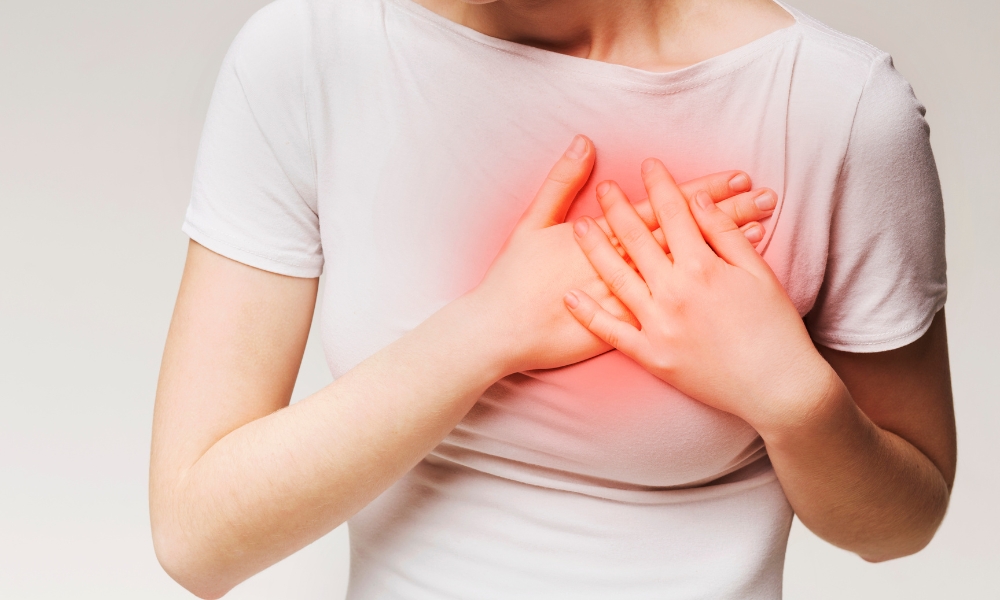
Digestive Causes of Chest Pain
Many people are surprised to learn that digestive problems can create symptoms that closely resemble heart-related chest pain. Because the esophagus and stomach sit close to the chest cavity, discomfort from these structures can sometimes be felt in the left side of the chest.
Acid Reflux
Acid reflux is among the most common causes of non-cardiac chest discomfort. When stomach acid travels upward into the esophagus, it can create a burning sensation often referred to as heartburn.
People frequently describe symptoms as:
- Burning chest pain
- A sour taste in the mouth
- Pain after eating
- Symptoms that worsen while lying down
- A sensation of food coming back up
Because heartburn can sometimes mimic heart attack symptoms, first-time or severe chest pain should not automatically be assumed to be acid reflux.
Esophageal Spasms
The esophagus contains muscles that move food toward the stomach. When these muscles contract abnormally, intense chest pain may occur.
Some people describe esophageal spasms as crushing or squeezing pain that can feel remarkably similar to cardiac discomfort. Diagnostic testing may be needed to distinguish between the two.
Hiatal Hernia
A hiatal hernia develops when part of the stomach pushes upward through the diaphragm. This condition may contribute to acid reflux, chest pressure, upper abdominal discomfort, and burning sensations in the chest.
Symptoms often worsen after large meals or when lying flat.
Important Note
Not every episode of left side chest pain indicates a life-threatening emergency. Muscle strain, acid reflux, anxiety, and minor inflammatory conditions are common causes of chest discomfort. However, symptoms involving severe pain, breathing difficulty, dizziness, fainting, or radiation into the arm or jaw should never be ignored. Self-diagnosis can be risky because several serious conditions initially resemble less dangerous problems.
Can Anxiety Cause Left Side Chest Pain?
One of the most searched questions online is whether anxiety can cause chest pain. The answer is yes. Anxiety and panic attacks can create very real physical symptoms, including chest tightness, chest pressure, rapid heartbeat, dizziness, sweating, and shortness of breath.
During periods of intense stress, the body’s fight-or-flight response becomes activated. This response can increase muscle tension, breathing rate, and heart rate, creating sensations that may feel alarming.
Many individuals experiencing a panic attack become convinced they are having a heart attack because the symptoms can be remarkably similar.
Common anxiety-related chest symptoms include:
- Tightness across the chest
- Sharp chest discomfort
- Rapid heartbeat
- Feeling unable to take a full breath
- Dizziness
- Tingling sensations
- Sweating
- Feelings of fear or impending doom
Although anxiety can cause chest pain, it is important not to assume anxiety is responsible for symptoms without appropriate medical evaluation, especially when symptoms are new, severe, or unusual.
When Should Chest Pain Be Taken Seriously?
One of the most important questions people ask is: “When should I worry about chest pain?”
While mild, brief, or clearly explainable discomfort may not always indicate an emergency, certain warning signs should prompt immediate medical evaluation.
Seek Emergency Care If Chest Pain Is Accompanied By:
- Shortness of breath
- Pain spreading into the arm, shoulder, neck, jaw, or back
- Sudden sweating
- Dizziness or fainting
- Nausea or vomiting
- Confusion
- Rapid or irregular heartbeat
- Severe weakness
- Loss of consciousness
- Difficulty breathing
Chest pain that begins suddenly, feels severe, or continues to worsen over time should always be treated seriously.
Individuals with risk factors such as diabetes, smoking history, high blood pressure, elevated cholesterol, obesity, or known heart disease should be especially cautious when new chest symptoms develop.
How Doctors Diagnose Left Side Chest Pain
Diagnosing chest pain involves much more than simply asking where it hurts. Emergency physicians evaluate the entire clinical picture to determine whether symptoms may be related to the heart, lungs, digestive system, musculoskeletal structures, or another cause.
The evaluation often begins with questions about:
- When symptoms started
- How long symptoms have lasted
- What the pain feels like
- Whether symptoms radiate elsewhere
- Activities occurring before symptoms began
- Personal medical history
- Family history of heart disease
Diagnostic Testing May Include
- Electrocardiogram (EKG)
- Blood tests
- Cardiac enzyme testing
- Chest X-rays
- CT scans
- Echocardiograms
- Cardiac monitoring
- Oxygen level monitoring
The purpose of testing is not simply to identify the source of pain but also to rule out potentially dangerous conditions that require immediate treatment.
Treatment Options for Left Side Chest Pain
Treatment depends entirely on the underlying cause. Because chest pain can result from many different conditions, there is no single treatment approach that works for every patient.
Heart-related conditions may require medications, cardiac procedures, monitoring, or hospitalization. Lung conditions may require oxygen therapy, antibiotics, blood thinners, or other interventions depending on the diagnosis.
Muscle-related pain often improves with rest and appropriate medical management. Digestive causes may respond to treatments that reduce stomach acid or address esophageal irritation. Anxiety-related symptoms may improve once serious medical causes have been excluded and appropriate support is provided.
The key point is that effective treatment begins with an accurate diagnosis.
Related Symptoms That May Require Emergency Evaluation
Chest pain often occurs alongside other symptoms that can provide important clues about the underlying cause.
Readers may also benefit from learning about related emergency symptoms, including:
- Why Is My Left Arm Hurting?
- Why Is My Heart Beating Fast While Resting?
- When Should I Worry About Heart Palpitations?
- What Does a Mini Stroke Feel Like?
- When Should I Go to the ER for a Headache?
- Can High Blood Pressure Cause Headaches?
- Why Am I So Dizzy All of a Sudden?
Emergency Chest Pain Care in Houston at Heights Emergency Room
Chest pain is one of the most common reasons people seek emergency medical care, and for good reason. While some causes are relatively minor, others involve potentially life-threatening conditions that require immediate evaluation and treatment.
If left side chest pain is accompanied by shortness of breath, dizziness, fainting, sweating, nausea, arm pain, jaw pain, confusion, or difficulty breathing, emergency evaluation should not be delayed.
Many Houston-area residents search for phrases such as:
- ER for chest pain near me
- 24-hour emergency room in Houston
- when should I go to the ER for chest pain
- left side chest pain emergency
- heart attack symptoms Houston
- emergency room for chest pressure
- chest pain and shortness of breath treatment
Heights Emergency Room provides 24/7 emergency care for adults and children experiencing chest pain, breathing difficulties, dizziness, heart-related symptoms, and other urgent medical concerns.
Emergency physicians can rapidly evaluate chest pain using advanced diagnostic testing, laboratory studies, cardiac monitoring, imaging, and other emergency services when necessary.
When symptoms feel severe, unusual, or concerning, seeking prompt medical attention may help identify serious conditions before complications develop.
Walk in 24 hours a day, 7 days a week for emergency evaluation and treatment.
Frequently Asked Questions
What causes chest pain on the left side?
Left side chest pain can be caused by heart conditions, lung disorders, acid reflux, muscle strain, rib inflammation, anxiety, digestive problems, infections, or other medical conditions. The exact cause often depends on the type of pain, associated symptoms, and medical history.
Is left side chest pain always a heart attack?
No. Many episodes of left side chest pain are caused by conditions unrelated to a heart attack. However, because heart attacks can present in different ways, chest pain should never be dismissed without considering potentially serious causes.
What does heart attack chest pain feel like?
Heart attack pain is often described as pressure, squeezing, heaviness, fullness, or tightness in the chest. It may spread into the left arm, jaw, shoulder, neck, or upper back and may occur alongside sweating, nausea, dizziness, or shortness of breath.
Can anxiety cause pain on the left side of the chest?
Yes. Anxiety and panic attacks can create chest tightness, chest pressure, rapid heartbeat, dizziness, sweating, and breathing changes that sometimes mimic heart-related conditions.
Why does my left chest hurt when I take a deep breath?
Pain that worsens with deep breathing may be related to pleurisy, lung infections, chest wall inflammation, muscle strain, rib injuries, pulmonary embolism, or other conditions affecting the lungs and surrounding tissues.
Can acid reflux cause left side chest pain?
Yes. Acid reflux and gastroesophageal reflux disease (GERD) can produce burning chest discomfort that sometimes feels similar to heart-related pain. Symptoms often worsen after meals or when lying down.
What causes sharp pain under the left breast?
Sharp pain under the left breast may be caused by muscle strain, rib inflammation, nerve irritation, digestive problems, lung conditions, or other chest wall issues. Occasionally, more serious medical conditions may also produce pain in this area.
When should I go to the ER for chest pain?
Emergency evaluation is recommended when chest pain is severe, persistent, worsening, or accompanied by symptoms such as shortness of breath, sweating, dizziness, fainting, arm pain, jaw pain, confusion, or difficulty breathing.
Can chest pain come from a pulled muscle?
Yes. Pulled muscles and chest wall injuries are common causes of localized chest pain. The discomfort often becomes worse with movement, stretching, coughing, or pressing on the affected area.
Can pneumonia cause chest pain?
Yes. Pneumonia may cause chest discomfort, especially when inflammation affects tissues surrounding the lungs. Fever, cough, fatigue, and breathing difficulties often occur alongside the pain.
Can chest pain be caused by stress?
Stress can contribute to muscle tension, anxiety, elevated heart rate, and other physical responses that create chest discomfort. However, new or concerning chest pain should always be evaluated appropriately.
What causes chest pain and left arm pain together?
Chest pain that radiates into the left arm may occur with heart-related conditions, including angina and heart attacks. Although other causes exist, this symptom combination should be taken seriously.
Why does my chest hurt after eating?
Chest pain after eating may result from acid reflux, esophageal spasms, hiatal hernia, indigestion, or other digestive conditions. In some situations, however, cardiac conditions can also be triggered after meals.
Can dehydration cause chest discomfort?
Severe dehydration can affect circulation, heart rate, blood pressure, and electrolyte balance, which may contribute to symptoms including chest discomfort, dizziness, weakness, or palpitations.
What tests are done for chest pain in the emergency room?
Emergency evaluation may include an EKG, blood tests, cardiac enzyme testing, chest imaging, oxygen monitoring, cardiac monitoring, CT scans, or other diagnostic studies depending on symptoms and risk factors.
Key Takeaways About Left Side Chest Pain
Left side chest pain is a symptom rather than a diagnosis. The discomfort may originate from the heart, lungs, digestive system, chest wall, muscles, nerves, or emotional stress. Some causes are relatively harmless and temporary, while others require immediate emergency treatment.
The location of the pain alone rarely provides enough information to determine the exact cause. Associated symptoms, risk factors, medical history, and diagnostic testing often play a critical role in identifying the underlying condition.
Although many episodes of chest pain are ultimately found to be non-cardiac, it is important not to assume that symptoms are harmless without appropriate evaluation. Heart attacks, pulmonary embolisms, severe infections, and other serious conditions can initially appear similar to more minor problems.
When chest pain occurs alongside shortness of breath, sweating, nausea, dizziness, fainting, confusion, arm pain, jaw pain, or difficulty breathing, immediate medical attention may be necessary.
Final Thoughts
If questions such as “what causes chest pain on the left side,” “why does my left chest hurt,” “is left side chest pain serious,” or “when should I worry about chest pain” have brought readers here, the most important takeaway is that chest pain should never be ignored when symptoms feel severe, unusual, persistent, or progressively worse.
Some causes of chest discomfort may resolve with simple treatment, while others require urgent medical intervention. Because it is often impossible to determine the exact cause without professional evaluation, seeking medical care when symptoms are concerning remains the safest approach.
Prompt assessment can help identify serious conditions early, provide appropriate treatment, and offer peace of mind when dangerous causes have been ruled out.
Disclaimer: This content is intended for educational purposes only and should not be used as a substitute for professional medical advice, diagnosis, or treatment. If symptoms are severe, worsening, or suggest a medical emergency, call 911 or seek immediate emergency medical care.
The post What Causes Chest Pain on the Left Side? appeared first on Heights Emergency Room.
]]>