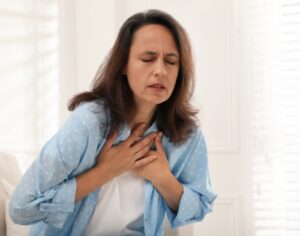
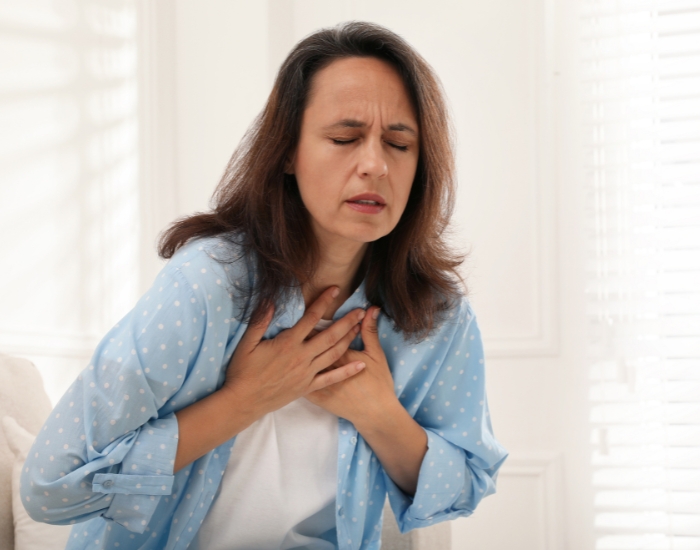
Shortness of breath can be frightening. Sometimes it develops gradually after climbing stairs or exercising. Other times it appears suddenly, making every breath feel difficult and leaving a person wondering whether the situation is serious.
Many people search online for answers to questions like “why am I short of breath all of a sudden,” “when should I go to the ER for shortness of breath,” “what causes breathing difficulty,” or “can shortness of breath be a sign of a medical emergency?” While occasional breathlessness can occur for harmless reasons, breathing difficulty can also signal a life-threatening condition requiring immediate medical attention.
Important Note
Breathing is something most people rarely think about until it becomes difficult. Understanding the warning signs of serious breathing problems may help identify potentially dangerous conditions earlier. While some causes of shortness of breath are mild and temporary, others can progress rapidly and require emergency treatment to prevent severe complications.

Table of Contents
- What Is Shortness of Breath?
- When Is Shortness of Breath an Emergency?
- Why Does Shortness of Breath Happen Suddenly?
- Heart and Lung Conditions That Cause Breathing Difficulty
- Symptoms That Should Never Be Ignored
- How Doctors Diagnose Breathing Emergencies
- Treatment Options
- Preventing Serious Breathing Problems
- Emergency Breathing Care in Houston
- Frequently Asked Questions
What Is Shortness of Breath?
Shortness of breath, medically known as dyspnea, describes the sensation of not getting enough air. Some people describe it as feeling unable to take a full breath, while others feel tightness in the chest, rapid breathing, or an overwhelming need to inhale more deeply.
The experience varies from person to person. One individual may feel winded after minimal activity, while another may struggle to breathe even while resting.
Breathing difficulty is not a disease itself. Instead, it is a symptom that can result from dozens of underlying conditions affecting the lungs, heart, circulation, blood oxygen levels, or airways.
In many cases, shortness of breath develops slowly over weeks or months. However, sudden breathing difficulty often requires urgent medical attention because it may indicate a serious problem developing inside the body.
When Is Shortness of Breath an Emergency?
Shortness of breath becomes an emergency when breathing difficulty develops suddenly, becomes severe, worsens quickly, or occurs alongside other concerning symptoms.
The body depends on oxygen reaching every organ. When breathing is impaired, oxygen delivery may become compromised, potentially affecting the brain, heart, and other critical systems.
Emergency evaluation may be necessary if breathing difficulty occurs with:
- Chest pain
- Blue lips or fingertips
- Confusion or disorientation
- Loss of consciousness
- Severe wheezing
- Rapid breathing
- Inability to speak full sentences
- Sudden dizziness
- Coughing up blood
- Severe swelling of the face or throat
These symptoms may indicate serious conditions such as heart attack, pulmonary embolism, severe asthma, allergic reactions, pneumonia, or respiratory failure.
One of the most important questions people ask is whether shortness of breath alone is enough reason to seek emergency care. The answer depends on severity. Mild breathlessness after exertion is often normal. Breathing difficulty at rest, worsening symptoms, or symptoms accompanied by chest pain should never be ignored.
Why Does Shortness of Breath Happen Suddenly?
Sudden shortness of breath can occur when something interferes with normal oxygen exchange or circulation. The underlying cause may involve the lungs, heart, airways, blood vessels, or even severe infections.
Because the body relies on a delicate balance between oxygen intake and carbon dioxide removal, even a small disruption can produce noticeable breathing symptoms.
Some causes are relatively minor, while others are immediately life-threatening.
Common Causes of Sudden Breathing Difficulty
- Asthma attacks
- Pneumonia
- Pulmonary embolism
- Heart attack
- Heart failure
- Severe allergic reactions
- Panic attacks
- COVID-19 or respiratory infections
- Collapsed lung
- Airway obstruction
Determining the exact cause requires medical evaluation because symptoms often overlap.
For example, both a panic attack and a pulmonary embolism can cause rapid breathing and chest discomfort. However, one may be primarily psychological while the other can become life-threatening if untreated.
Heart and Lung Conditions That Commonly Cause Shortness of Breath
The lungs and heart work together to supply oxygen throughout the body. Problems affecting either organ can result in breathing difficulty.
Heart Attack
Many people associate heart attacks only with chest pain. However, shortness of breath may be one of the earliest symptoms, especially in women and older adults.
Breathing difficulty accompanied by chest pressure, arm pain, sweating, nausea, or dizziness should be treated as an emergency.
Patients experiencing both chest pain and breathing difficulty may benefit from learning more about chest pain emergency symptoms.
Pulmonary Embolism
A pulmonary embolism occurs when a blood clot travels to the lungs and blocks blood flow.
Symptoms often appear suddenly and may include:
- Sharp chest pain
- Shortness of breath
- Rapid heartbeat
- Coughing
- Dizziness
- Fainting
This condition requires immediate emergency treatment.
Pneumonia
Pneumonia causes inflammation and infection within the lungs. As fluid accumulates, oxygen exchange becomes more difficult.
Symptoms often include fever, cough, fatigue, and worsening breathing difficulty.
Respiratory infections are among the leading causes of emergency breathing complaints. Additional information can be found through respiratory infection treatment and emergency care.
Asthma Attacks
Asthma causes narrowing of the airways, making breathing difficult.
During a severe asthma attack, air movement may become significantly restricted, resulting in wheezing, chest tightness, and shortness of breath.
If rescue medications are not helping, emergency care may be needed immediately.
Symptoms That Should Never Be Ignored
Not all cases of shortness of breath carry the same level of risk. Some episodes improve with rest, hydration, or treatment of a mild illness. Others indicate a potentially life-threatening condition that requires immediate evaluation.
One of the most important factors doctors consider is whether breathing difficulty occurs by itself or alongside additional warning signs.
The presence of certain symptoms can help distinguish a mild breathing problem from a medical emergency.
Chest Pain and Shortness of Breath
Few symptom combinations are more concerning than chest pain and breathing difficulty occurring together.
This combination may indicate:
- Heart attack
- Pulmonary embolism
- Collapsed lung
- Severe pneumonia
- Heart failure
Chest discomfort may feel like pressure, squeezing, heaviness, burning, or sharp pain. Sometimes the pain spreads into the arm, shoulder, neck, jaw, or back.
Anyone experiencing significant chest pain with shortness of breath should seek emergency medical attention immediately.
Patients concerned about chest discomfort can also review information regarding emergency evaluation for chest pain.
Shortness of Breath with Dizziness or Fainting
When breathing difficulty occurs alongside dizziness, lightheadedness, or fainting, oxygen delivery to the brain may be affected.
Potential causes include:
- Heart rhythm abnormalities
- Pulmonary embolism
- Severe dehydration
- Internal bleeding
- Heart attack
- Shock
Fainting should never be dismissed as harmless when accompanied by breathing problems.
Additional information can be found through emergency evaluation for fainting symptoms.
Blue Lips or Fingertips
Blue or gray discoloration of the lips, tongue, or fingertips may indicate low oxygen levels in the bloodstream.
This symptom, known as cyanosis, is considered a medical emergency because it suggests the body is not receiving adequate oxygen.
Severe asthma attacks, pulmonary embolism, advanced pneumonia, and respiratory failure can all produce this symptom.
Confusion or Altered Mental Status
The brain requires a continuous oxygen supply to function properly.
When oxygen levels fall significantly, confusion, agitation, unusual behavior, and difficulty staying awake may develop.
Family members often notice these changes before the affected individual recognizes them.
Confusion occurring with breathing difficulty warrants immediate emergency evaluation.
Important Note
Experiencing shortness of breath does not automatically mean a life-threatening emergency is occurring. Respiratory infections, mild asthma flare-ups, anxiety, and other treatable conditions can also cause breathing symptoms. However, severe, sudden, or worsening breathing difficulty should never be self-diagnosed. Professional evaluation helps identify whether symptoms represent a temporary issue or a condition requiring urgent treatment.

Can Anxiety Cause Shortness of Breath?
Yes. Anxiety and panic attacks are common causes of shortness of breath.
During periods of intense stress, the body’s fight-or-flight response activates, increasing heart rate and breathing rate. This can create sensations of air hunger, chest tightness, dizziness, and tingling sensations.
Many individuals experiencing panic attacks genuinely feel as though they cannot breathe, even when oxygen levels remain normal.
The challenge is that anxiety symptoms can closely resemble serious medical emergencies.
Because conditions like pulmonary embolism, asthma attacks, and heart attacks may produce similar symptoms, medical evaluation is often necessary when symptoms are severe or unusual.
Can Shortness of Breath Be a Sign of Heart Problems?
Absolutely.
Many heart conditions reduce the body’s ability to circulate oxygen-rich blood efficiently.
As a result, shortness of breath can become one of the earliest warning signs of cardiovascular disease.
Heart Conditions Associated with Breathing Difficulty
- Heart attack
- Heart failure
- Abnormal heart rhythms
- Cardiomyopathy
- Valve disorders
Heart-related shortness of breath may occur during activity at first but can gradually progress to symptoms at rest.
Many patients describe needing extra pillows to sleep comfortably or waking up suddenly at night struggling to breathe.
These symptoms deserve prompt medical attention.
Can Respiratory Infections Cause Serious Breathing Problems?
Respiratory infections are among the most common causes of shortness of breath.
While many infections remain mild, others can progress rapidly and affect oxygen levels.
Examples include:
- Pneumonia
- COVID-19
- Bronchitis
- Influenza
- Severe viral infections
Symptoms often include fever, cough, congestion, fatigue, body aches, and breathing difficulty.
When infections cause worsening shortness of breath, chest pain, confusion, or low oxygen levels, emergency evaluation becomes important.
Patients may also benefit from reviewing information regarding emergency flu and respiratory illness care and influenza-related complications.
How Doctors Diagnose Breathing Emergencies
Determining the cause of shortness of breath often requires a thorough medical evaluation.
Emergency physicians assess symptoms, medical history, vital signs, and oxygen levels while looking for clues that point toward specific diagnoses.
Common Diagnostic Tests
- Pulse oximetry
- Blood tests
- Chest X-rays
- Electrocardiogram (ECG)
- CT scans
- Cardiac enzyme testing
- Arterial blood gas testing
- Ultrasound studies
These tests help identify whether symptoms are caused by heart disease, lung disease, infection, blood clots, allergic reactions, or other serious conditions.
Treatment for Shortness of Breath Depends on the Cause
Because many different conditions can cause breathing difficulty, treatment varies significantly depending on the diagnosis.
For example, asthma attacks may require inhaled medications, while pulmonary embolisms require blood thinners. Heart attacks require a completely different treatment approach.
The goal is not simply to relieve symptoms but to address the underlying condition causing the breathing difficulty.
Possible Treatments Include:
- Supplemental oxygen
- Breathing treatments
- IV medications
- Antibiotics
- Blood thinners
- Steroids
- Allergy medications
- Cardiac treatments
- Advanced respiratory support
Prompt treatment often improves outcomes significantly, especially for heart attacks, severe infections, and pulmonary embolisms.

Can Serious Breathing Emergencies Be Prevented?
Not every breathing emergency can be prevented, but many risk factors can be reduced through proactive healthcare and lifestyle choices.
Understanding personal health conditions, recognizing early warning signs, and seeking treatment before symptoms become severe can significantly lower the risk of serious complications.
Ways to Reduce the Risk of Breathing Emergencies
- Avoid smoking and secondhand smoke exposure
- Follow treatment plans for asthma, COPD, and heart disease
- Stay physically active when medically appropriate
- Maintain a healthy weight
- Keep vaccinations up to date
- Seek medical care for worsening respiratory infections
- Manage blood pressure and diabetes
- Recognize warning signs early
Many severe respiratory emergencies begin with symptoms that seem minor at first. Early evaluation often helps prevent progression into a more serious condition.
Why Early Evaluation Matters
One of the biggest mistakes people make is waiting too long to seek medical attention.
Shortness of breath sometimes develops gradually, causing individuals to adapt to symptoms without realizing how much their breathing has changed.
Others assume symptoms are caused by aging, stress, or lack of exercise when an underlying medical problem may actually be present.
Conditions such as pneumonia, heart failure, pulmonary embolism, and severe asthma often respond better to treatment when identified early.
Emergency physicians frequently see patients who delayed care because they hoped symptoms would improve on their own. Unfortunately, some respiratory conditions can worsen rapidly.
Recognizing when breathing difficulty represents a medical emergency can make a critical difference in outcomes.
Who Is at Higher Risk for Severe Breathing Problems?
While shortness of breath can affect anyone, certain groups face a greater risk of serious complications.
Higher-Risk Individuals Include:
- Adults over age 65
- People with asthma
- Individuals with COPD
- Patients with heart disease
- People with a history of blood clots
- Individuals with obesity
- People with diabetes
- Those recovering from major surgery
- Individuals with chronic lung disease
- Patients with weakened immune systems
For these groups, new or worsening breathing symptoms often warrant earlier medical evaluation.
What Happens During an Emergency Room Visit for Shortness of Breath?
Many patients are uncertain about what to expect when visiting the emergency room for breathing difficulty.
Upon arrival, the medical team typically begins evaluating oxygen levels, heart rate, blood pressure, breathing rate, and overall stability.
The goal is to quickly determine whether the patient is receiving enough oxygen and whether a life-threatening condition is present.
Depending on symptoms, emergency physicians may order imaging studies, blood tests, heart monitoring, and respiratory treatments.
Treatment often begins immediately while diagnostic testing is still underway.
Patients experiencing severe respiratory distress may receive oxygen therapy, breathing treatments, medications, or advanced interventions if necessary.
Related Emergency Symptoms That May Occur with Shortness of Breath
Breathing difficulty often appears alongside other symptoms that can help identify the underlying cause.
Patients experiencing shortness of breath may also benefit from learning about related emergency symptoms such as:
- chest pain and heart-related emergencies
- stroke symptoms and neurological emergencies
- severe headaches requiring emergency care
- dehydration and vomiting emergencies
- severe allergic reactions and anaphylaxis
These symptoms sometimes occur together and may indicate a serious underlying condition requiring immediate medical attention.
Emergency Care for Shortness of Breath in Houston
If breathing difficulty develops suddenly, becomes severe, or occurs alongside chest pain, dizziness, confusion, fainting, or low oxygen symptoms, immediate medical evaluation may be necessary.
Many patients search online for terms such as “ER for shortness of breath near me,” “breathing difficulty emergency,” “emergency room for chest pain and shortness of breath,” “24-hour ER for breathing problems,” and “when should I go to the ER for shortness of breath.”
Heights Emergency Room provides 24/7 emergency evaluation and treatment for respiratory emergencies, chest pain, severe infections, allergic reactions, asthma attacks, and other urgent medical conditions.
Emergency physicians can perform advanced diagnostic testing, imaging studies, laboratory evaluations, oxygen therapy, and emergency treatments designed to identify the cause of breathing difficulty and begin prompt care.
Walk in anytime, day or night, if severe shortness of breath, chest pain, or worsening breathing symptoms develop.
Frequently Asked Questions
When should I go to the ER for shortness of breath?
Emergency evaluation is recommended when shortness of breath develops suddenly, becomes severe, worsens rapidly, or occurs with chest pain, dizziness, confusion, fainting, blue lips, or coughing up blood.
Can shortness of breath be a sign of a heart attack?
Yes. Shortness of breath may occur before, during, or alongside other heart attack symptoms such as chest pressure, sweating, nausea, or arm pain.
What causes sudden breathing difficulty?
Common causes include asthma attacks, pneumonia, pulmonary embolism, allergic reactions, heart failure, heart attack, panic attacks, and respiratory infections.
Can anxiety cause shortness of breath?
Yes. Anxiety and panic attacks frequently cause breathing difficulty, chest tightness, and rapid breathing. However, serious medical conditions can produce similar symptoms and should not be overlooked.
Is shortness of breath always serious?
Not always. Mild breathlessness after exercise or temporary illness may not indicate a serious problem. However, severe, sudden, or worsening symptoms should be medically evaluated.
What is the difference between shortness of breath and respiratory distress?
Shortness of breath is the sensation of difficulty breathing. Respiratory distress refers to severe breathing impairment that may affect oxygen levels and require emergency treatment.
Can pneumonia cause shortness of breath?
Yes. Pneumonia often causes breathing difficulty, cough, fever, fatigue, and chest discomfort due to inflammation and fluid buildup within the lungs.
Can a blood clot cause breathing problems?
Yes. A pulmonary embolism occurs when a blood clot blocks blood flow in the lungs, often causing sudden shortness of breath, chest pain, and rapid heart rate.
What tests are performed for breathing difficulty?
Doctors may perform oxygen monitoring, blood tests, chest X-rays, CT scans, ECGs, and other diagnostic studies depending on symptoms.
Should breathing difficulty be ignored if it improves?
Even symptoms that improve may warrant evaluation if they were severe, sudden, or accompanied by concerning warning signs.
Final Thoughts
Shortness of breath can range from a temporary inconvenience to a life-threatening medical emergency. Understanding the difference is essential because breathing difficulty is often one of the body’s earliest warning signs that something serious may be happening.
Symptoms such as chest pain, confusion, blue lips, fainting, severe wheezing, coughing up blood, or sudden breathing difficulty should never be ignored. These signs may indicate heart attacks, blood clots, severe infections, allergic reactions, or other critical conditions requiring immediate treatment.
For individuals searching “when is shortness of breath an emergency,” “breathing difficulty emergency,” or “when should I go to the ER for shortness of breath,” the safest approach is to seek prompt medical evaluation whenever symptoms feel severe, unusual, or rapidly worsening.
Early diagnosis and treatment often make a significant difference in preventing serious complications and supporting recovery.
Disclaimer: This article is intended for educational purposes only and should not replace professional medical advice, diagnosis, or treatment. If severe breathing difficulty or symptoms of a medical emergency occur, call 911 or seek immediate emergency medical care.