Blood clots can be silent in the beginning, which is exactly why they are so dangerous. Many people only realize something is wrong when the clot has already grown or moved into a more serious area like the lungs or brain. That is why searches such as “blood clot symptoms”, “signs of a blood clot”, and “what does a blood clot feel like in the leg” have increased dramatically in recent years.
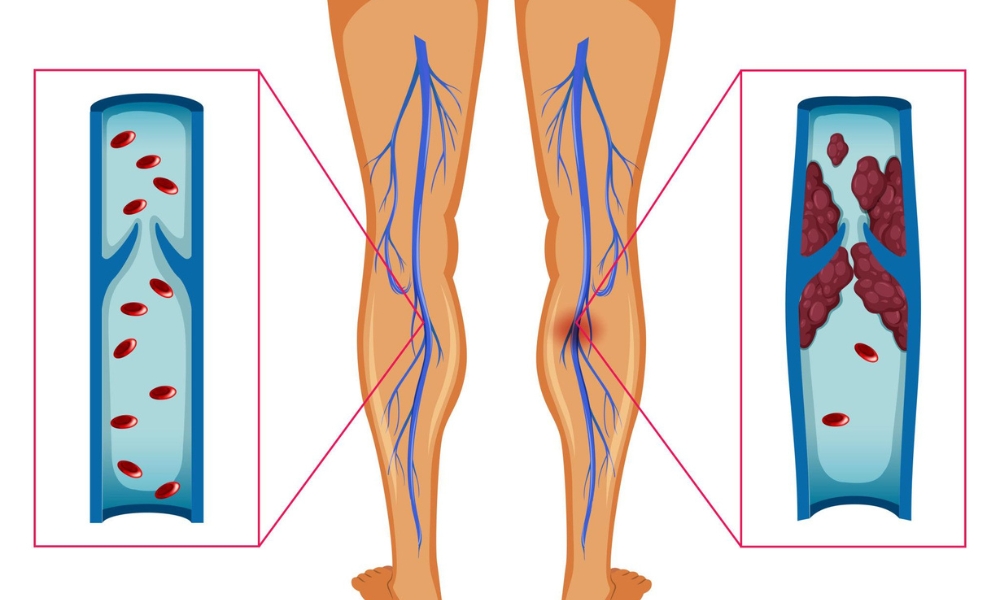
A blood clot is essentially a thickened mass of blood that forms when the body tries to stop bleeding. But when it forms inside a vein without injury, it can block normal blood flow and create life-threatening complications like deep vein thrombosis (DVT) or pulmonary embolism.
What makes blood clots tricky is that early symptoms can feel mild — like soreness, cramping, or swelling — and are often mistaken for muscle strain or fatigue.
Table of Contents
Important Note
This article explains how blood clots may feel in early and advanced stages, including warning signs that may indicate deep vein thrombosis or lung-related complications. Early recognition can significantly reduce the risk of life-threatening complications such as pulmonary embolism. Understanding symptoms early can help in making timely medical decisions and avoiding delays in emergency care.
What Is a Blood Clot?
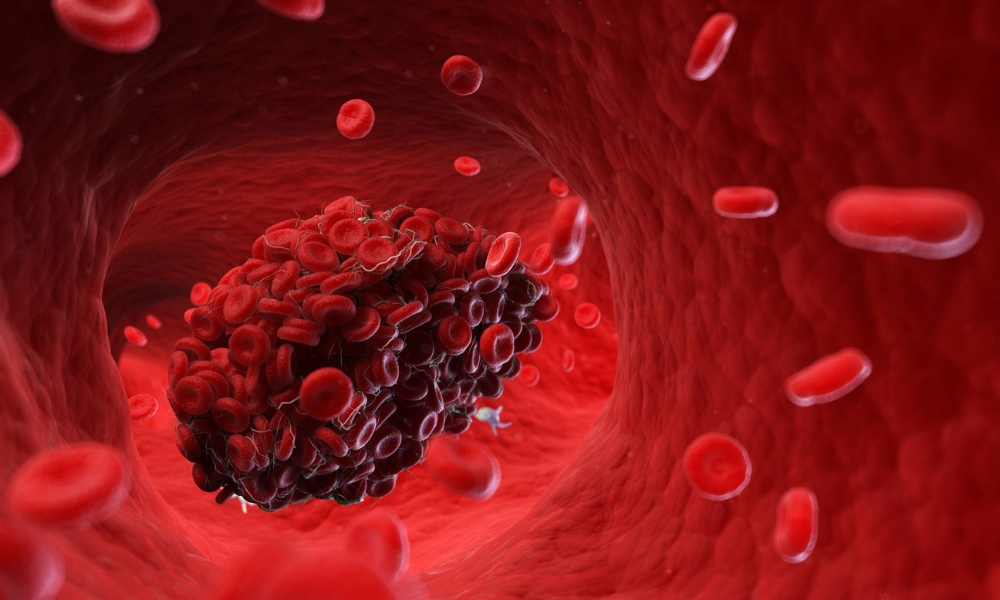
A blood clot is a gel-like mass formed when blood thickens from its liquid state. Normally, this is a protective mechanism that stops bleeding after an injury. However, when clots form inside veins or arteries without an external injury, they can disrupt normal circulation.
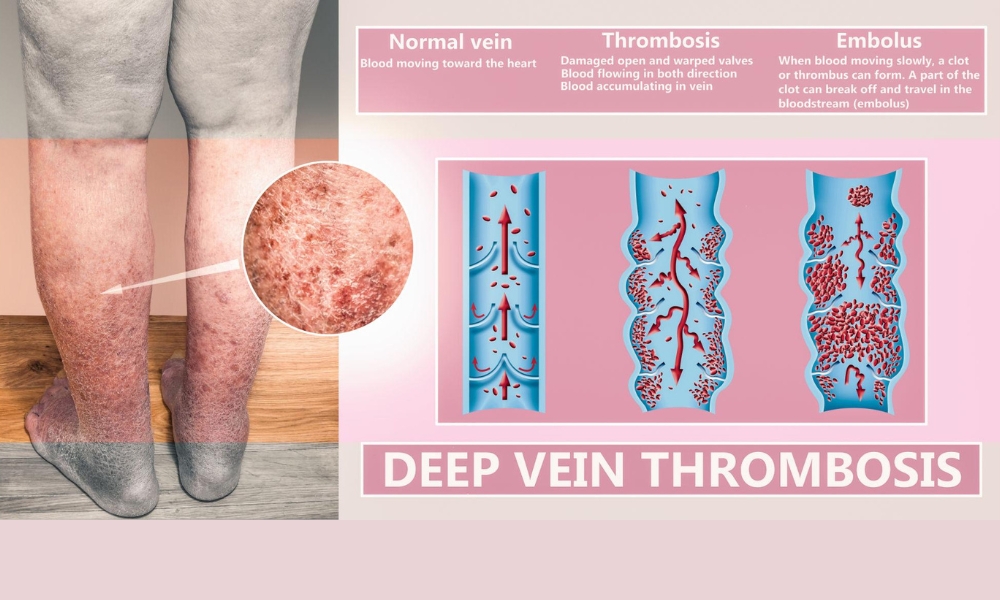
The most concerning types of clots occur deep inside the body, especially in the legs. This condition is called deep vein thrombosis (DVT). If a part of this clot breaks off and travels to the lungs, it becomes a pulmonary embolism — a medical emergency.
Because of this, doctors treat unexplained leg pain, swelling, or heaviness very seriously, especially when symptoms appear suddenly or worsen over time.
What Does a Blood Clot Feel Like?
One of the most common questions people ask is: what does a blood clot feel like in the leg? The answer is that it does not always feel dramatic at first. In fact, many people describe it as a subtle discomfort that slowly becomes more noticeable.
Early clot symptoms are often mistaken for muscle cramps, pulled muscles, or fatigue from standing or walking too long. But unlike normal muscle pain, clot-related discomfort tends to feel deeper, persistent, and sometimes unusual in nature.
People often describe it as a “tight,” “heavy,” or “aching pressure” that does not improve with rest or stretching.
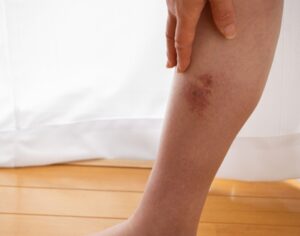
In some cases, the affected area may feel warm to the touch, or the skin may appear slightly red or discolored. These changes occur because blood flow is being restricted in the vein.
Blood Clot in the Leg Symptoms
When a clot forms in the leg, the symptoms often develop gradually over hours or days. The leg may not look dramatically different at first, but subtle changes are usually present.
Common Blood Clot Symptoms in the Leg:
- Swelling in one leg (often sudden or unexplained)
- Persistent aching or cramping pain
- Warmth in the affected area
- Red or bluish skin discoloration
- Heaviness or pressure in the leg
- Pain that worsens when standing or walking
Unlike normal muscle soreness, this discomfort does not improve significantly with rest. In fact, some people notice that walking or standing makes the pain worse over time.
If swelling or pain appears only in one leg without a clear injury, it should always be evaluated medically as soon as possible.
Signs a Blood Clot May Be Dangerous
While a clot in the leg is already serious, the situation becomes more dangerous if it moves toward the lungs or affects blood circulation significantly.
This is why doctors always warn patients not to ignore early symptoms of deep vein thrombosis. A clot can travel silently and suddenly cause life-threatening complications.
Some warning signs indicate that the clot may already be affecting circulation or moving through the bloodstream.
Red Flag Symptoms:
- Sudden shortness of breath
- Sharp chest pain when breathing
- Rapid heartbeat
- Lightheadedness or fainting
- Coughing up blood
If any of these symptoms occur along with leg pain or swelling, emergency evaluation is critical.
Why Blood Clots Often Go Unnoticed
One of the most dangerous aspects of blood clots is how quietly they can develop. Many individuals continue daily activities while a clot slowly worsens inside the vein.
Because early symptoms mimic common issues like muscle strain, dehydration, or fatigue, medical attention is often delayed. This delay increases the risk of complications such as pulmonary embolism.
In many cases, people only realize the severity once breathing difficulties or chest pain appear — which indicates that the clot may have already moved beyond the leg.
Blood clot symptoms can sometimes overlap with other emergency conditions. If symptoms include chest pain or breathing difficulty, it is important to also understand related emergencies such as:
- chest pain emergency evaluation
- severe breathing difficulties
- severe abdominal pain emergencies
- fainting and dizziness emergencies
- emergency room services overview
How Blood Clot Pain Progresses Over Time
Blood clot pain rarely stays the same. One of the most important patterns to understand is that it often begins subtly and gradually becomes more noticeable. This is different from typical muscle injuries, where pain often peaks early and then improves with rest.
With a developing clot, discomfort may start as a mild ache or tightness in one area of the body, especially the calf or thigh. Over time, the sensation may become more persistent, deeper, and harder to ignore. Some people describe it as a “pressure that doesn’t go away,” even when resting.
This progression happens because the clot can partially obstruct blood flow, causing fluid buildup and inflammation in surrounding tissues. As circulation becomes more restricted, symptoms tend to intensify.
Blood Clot Pain vs Muscle Pain: Key Differences
One of the most common reasons blood clots are missed is because they are confused with muscle strain. However, there are subtle but important differences between the two.
Muscle Pain Typically:
- Improves with rest or stretching
- Has a clear cause like exercise or injury
- Feels surface-level or sore
- Gradually gets better over days
Blood Clot Pain Typically:
- Does NOT improve with rest
- Often has no clear injury or cause
- Feels deep, tight, or heavy
- May worsen over time
- Often appears in one leg only
These differences are important because early recognition can prevent complications like deep vein thrombosis from progressing into a more dangerous condition.
Blood Clots in the Arm: Symptoms People Often Miss
Although most blood clots occur in the legs, they can also develop in the arms. This is especially common in people with IV lines, recent medical procedures, or certain clotting disorders.
Arm clots can be just as serious as leg clots, but they are often overlooked because arm pain is commonly attributed to strain, posture, or minor injury.
Possible Blood Clot Symptoms in the Arm:
- Swelling in one arm
- Persistent aching or heaviness
- Skin discoloration (red or bluish tone)
- Warmth over the affected area
- Visible veins becoming more prominent
If arm symptoms appear suddenly without injury, especially with swelling or discoloration, medical evaluation is important.
When a Blood Clot Moves to the Lungs (Pulmonary Embolism)
One of the most dangerous complications of a blood clot is when part of it breaks off and travels to the lungs. This condition is known as a pulmonary embolism (PE), and it can become life-threatening very quickly.
PE affects oxygen exchange in the lungs and can strain the heart, making it difficult for oxygen to circulate properly throughout the body.
Symptoms may appear suddenly and can feel very different from leg pain symptoms.
Warning Signs of Pulmonary Embolism:
- Sudden shortness of breath
- Sharp or stabbing chest pain
- Pain that worsens when breathing deeply
- Rapid heart rate
- Dizziness or fainting
- Coughing (sometimes with blood)
These symptoms should always be treated as an emergency, especially if there is a recent history of leg swelling or unexplained pain.
Important Note
Not all leg pain is caused by a blood clot, and not all swelling is dangerous. However, when symptoms appear suddenly, affect only one side of the body, or worsen without explanation, medical evaluation is essential. Blood clots can progress silently, and early detection greatly reduces the risk of serious complications.
Who Is at Higher Risk of Blood Clots?
Blood clots can happen to anyone, but certain conditions and lifestyle factors significantly increase risk. Understanding these risk factors helps explain why symptoms may appear unexpectedly.
Reduced movement is one of the most common triggers. Long periods of sitting, such as during travel or bed rest, can slow blood flow and increase clot formation risk.
Other medical conditions, such as cancer, heart disease, or clotting disorders, can also increase the likelihood of abnormal clot formation.
Common Risk Factors Include:
- Prolonged immobility (travel, bed rest)
- Recent surgery or injury
- Smoking
- Obesity
- Hormonal therapy or birth control
- History of blood clots
- Cancer or chemotherapy
These factors do not guarantee a clot will form, but they significantly increase the risk when combined with other conditions.
Why Blood Clots Can Feel “Different” from Normal Pain
Many people describe blood clot discomfort as “weird,” “heavy,” or “not like normal pain.” This is because clot-related symptoms are caused by restricted blood flow rather than muscle damage.
When circulation is reduced, tissues receive less oxygen. This creates a deep pressure sensation rather than sharp or surface-level pain. Inflammation in the vein wall also contributes to warmth, tenderness, and swelling.
This combination of symptoms creates a unique sensation that many people cannot easily describe — which is why clots are often misinterpreted until they become more severe.
When Blood Clot Symptoms Become an Emergency
Blood clot symptoms should always be taken seriously, but certain signs indicate an immediate medical emergency. The greatest risk occurs when a clot in the leg (deep vein thrombosis) travels to the lungs, leading to a pulmonary embolism. This can become life-threatening within minutes.
Emergency evaluation should not be delayed if symptoms suddenly worsen or new breathing or chest-related symptoms appear alongside leg pain or swelling.
Emergency Warning Signs Include:
- Sudden shortness of breath without exertion
- Sharp chest pain, especially when breathing
- Rapid or irregular heartbeat
- Coughing up blood
- Fainting or near-fainting episodes
- Severe, unexplained weakness or anxiety with breathing difficulty
When these symptoms occur, it may indicate that a clot has moved into the lungs, which requires immediate emergency treatment.
How Doctors Diagnose a Blood Clot
In an emergency setting, doctors use a combination of physical examination, imaging tests, and blood work to confirm whether a blood clot is present.
Because blood clot symptoms can resemble muscle injuries or other conditions, diagnostic testing is essential for accuracy.
Common Diagnostic Methods:
- Ultrasound: Most common test for detecting clots in the legs or arms
- D-dimer blood test: Measures clot-related substances in the blood
- CT scan (CT pulmonary angiography): Used when lung clot is suspected
- Blood oxygen monitoring: Helps assess breathing impact
These tests allow medical teams to determine the location, size, and severity of the clot, which guides treatment decisions.
How Blood Clots Are Treated
Treatment depends on the type and severity of the clot. The main goal is to stop the clot from growing, prevent new clots, and reduce the risk of complications such as pulmonary embolism.
Common Treatment Options:
Blood Thinners (Anticoagulants): These medications prevent the clot from getting larger and reduce the risk of new clots forming. They do not immediately dissolve the clot but allow the body to gradually break it down naturally.
Clot-Dissolving Medications: In severe or life-threatening cases, medications may be used to actively break down the clot.
Hospital Monitoring: Patients with significant clots may require observation to ensure breathing, circulation, and heart function remain stable.
Compression Therapy: In some cases, compression stockings may be recommended to improve blood flow in the affected limb.
What Recovery From a Blood Clot Feels Like
Recovery from a blood clot varies depending on severity and how early treatment begins. Some people recover fully within weeks, while others may experience lingering discomfort or swelling for a longer period.
Even after treatment begins, mild aching or heaviness in the affected leg can persist as the body slowly reabsorbs the clot. This does not necessarily mean the condition is worsening, but follow-up care is important.
Physical activity is often gradually reintroduced under medical supervision to help restore normal circulation and prevent future clots.
How Blood Clots Can Be Prevented
While not all blood clots are preventable, many risk factors can be reduced through lifestyle changes and medical guidance. Prevention focuses mainly on maintaining healthy circulation and avoiding prolonged immobility.
Prevention Strategies:
- Staying physically active and avoiding long periods of sitting
- Walking regularly during long travel or flights
- Staying hydrated
- Avoiding smoking
- Managing weight and chronic conditions
- Following prescribed medications after surgery or illness
For individuals with a history of blood clots, doctors may recommend long-term preventive medication or monitoring.
Emergency Complications of Blood Clots
Blood clot complications can overlap with other emergency conditions. If symptoms include chest pain, breathing difficulty, or fainting, it is important to explore related emergency resources:
- severe breathing difficulty emergency care
- chest pain emergency evaluation
- fainting and dizziness emergencies
- 24/7 emergency services overview
- critical care emergency treatment
Frequently Asked Questions
What does a blood clot feel like in the leg?
It often feels like a deep ache, tightness, or heaviness in one leg, sometimes with swelling, warmth, or redness.
Can a blood clot go away on its own?
Some small clots may be broken down by the body, but medical treatment is often needed to prevent complications.
Is blood clot pain constant?
Yes, clot pain is often persistent and does not improve with rest or stretching like muscle pain.
What is the first sign of a blood clot?
Unexplained swelling, pain, or heaviness in one leg is often an early sign.
Can you walk with a blood clot?
Some people can still walk, but movement may worsen discomfort. Medical evaluation is important.
How serious is a blood clot?
Blood clots can become life-threatening if they travel to the lungs or block circulation.
What causes blood clots?
They can be caused by immobility, surgery, injury, smoking, obesity, or underlying medical conditions.
Do blood clots hurt to touch?
Yes, the affected area may feel tender or painful when pressed.
Can dehydration cause blood clots?
Dehydration may increase risk by thickening the blood and slowing circulation.
What happens if a blood clot reaches the lungs?
It can cause a pulmonary embolism, leading to chest pain, breathing difficulty, and medical emergency.
Final Thoughts
Blood clots are often silent at the beginning, which makes early recognition extremely important. Symptoms like unexplained leg pain, swelling, warmth, or heaviness should never be ignored, especially if they appear suddenly or affect only one side of the body.
The most dangerous complication occurs when a clot travels to the lungs, causing breathing difficulty, chest pain, or fainting. These symptoms require immediate emergency attention.
Understanding early warning signs can make a significant difference in preventing serious complications and ensuring timely treatment.
Disclaimer: This content is for educational purposes only and does not replace professional medical advice. If blood clot symptoms or breathing difficulties are suspected, seek emergency care immediately.
Emergency Care Reminder
If symptoms such as chest pain, sudden shortness of breath, or unexplained leg swelling occur, immediate evaluation at an emergency facility is strongly recommended. Early treatment can significantly reduce the risk of serious complications.