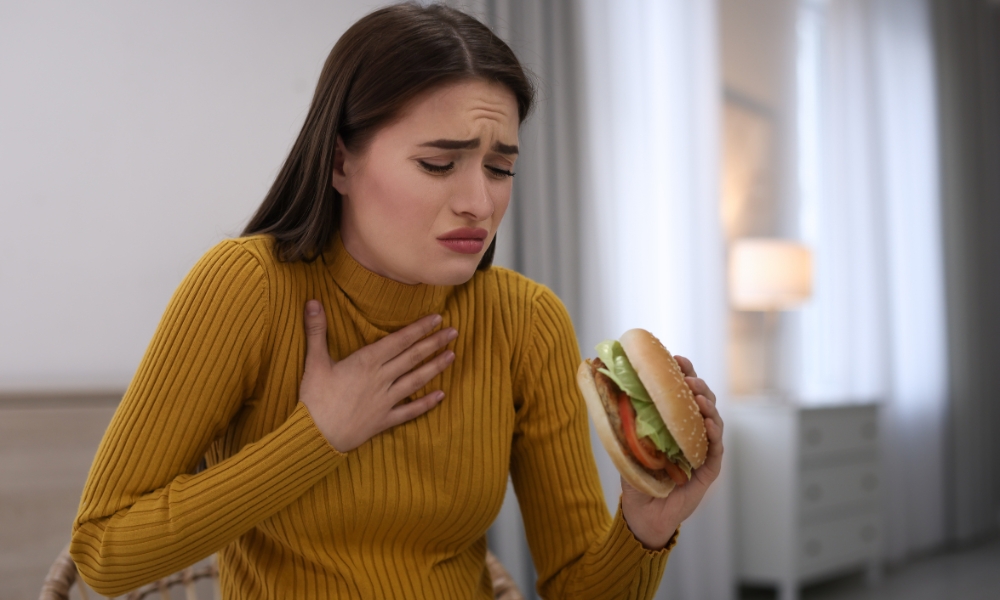
Experiencing chest pain after eating can be alarming. For many people, the discomfort feels like burning behind the breastbone, pressure in the chest, or even a sharp pain that raises concerns about a heart attack. It is no surprise that people frequently search for answers to questions like “why does my chest hurt after eating,” “can heartburn cause chest pain,” and “when should I go to the ER for chest pain after meals.”
The truth is that chest pain after eating can have several possible causes. Some are relatively common digestive issues such as acid reflux or heartburn, while others may involve the esophagus, gallbladder, lungs, or heart. Because chest pain can occasionally signal a serious medical emergency, understanding the differences between common digestive discomfort and dangerous symptoms is important.
Although many cases of chest discomfort after meals are related to gastrointestinal conditions, chest pain should never be automatically dismissed. Certain symptoms require prompt medical evaluation, especially when chest pain is severe, sudden, or accompanied by shortness of breath, dizziness, sweating, or pain spreading to the jaw, neck, or arm.
Important Note
Chest discomfort after eating may be caused by something as common as acid reflux, but it can also resemble symptoms associated with more serious medical conditions. Understanding the possible causes and recognizing emergency warning signs can help people make informed healthcare decisions and seek care when necessary.
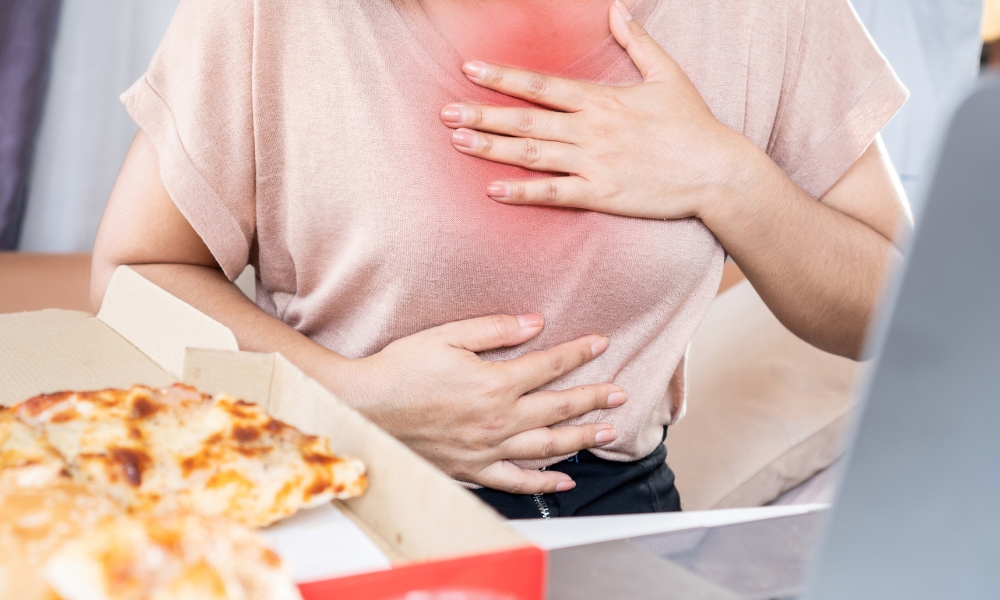
Table of Contents
- Why Does Chest Pain Happen After Eating?
- Can Heartburn Cause Chest Pain?
- GERD and Chest Discomfort After Meals
- Esophageal Causes of Chest Pain
- Can Gallbladder Problems Cause Chest Pain?
- Foods That Can Trigger Chest Pain After Eating
- Chest Pain After Eating vs Heart Attack Symptoms
- When Is Chest Pain After Eating an Emergency?
- How Doctors Diagnose Chest Pain
- Treatment Options
- Preventing Chest Pain After Meals
- Emergency Chest Pain Care in Houston
- Frequently Asked Questions
Why Does Chest Pain Happen After Eating?
Chest pain after eating occurs for many different reasons. In some cases, the digestive system is responsible. In others, chest discomfort may actually originate from the heart, lungs, muscles, or nearby organs.
The timing of symptoms can provide clues. Pain that appears immediately after eating may suggest acid reflux or esophageal irritation. Pain that develops after consuming fatty foods may point toward gallbladder disease. However, because chest pain symptoms often overlap, medical evaluation is sometimes needed to determine the true cause.
People commonly describe post-meal chest discomfort as:
- A burning sensation behind the breastbone
- Tightness in the chest
- Pressure or heaviness
- Sharp pain when swallowing
- A feeling of food being stuck
- Aching pain in the upper chest
- Pain that worsens when lying down
- Discomfort that improves with antacids
While digestive causes are common, it is important to remember that heart-related chest pain can occasionally occur during or after meals as well.
Can Heartburn Cause Chest Pain?
Yes. Heartburn is one of the most common causes of chest pain after eating.
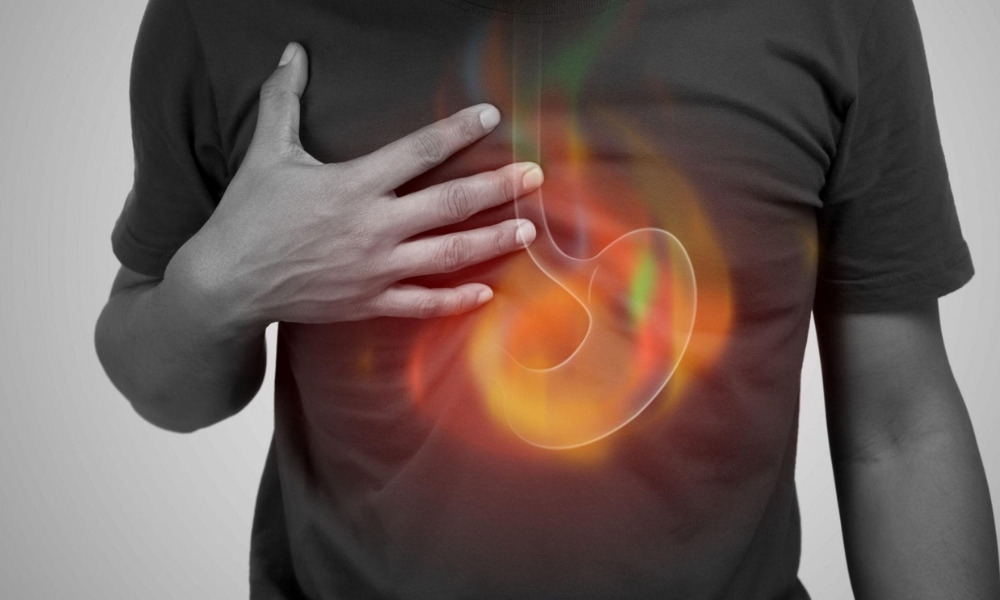
Heartburn occurs when stomach acid flows backward into the esophagus. Because the esophagus runs through the chest, irritation from acid can create a burning sensation that many people mistake for heart pain.
The discomfort may feel intense enough to cause concern, especially when symptoms occur suddenly.
Common Heartburn Symptoms
- Burning chest pain
- Sour taste in the mouth
- Acid regurgitation
- Symptoms worsening after meals
- Discomfort when lying down
- Throat irritation
- Frequent burping
Heartburn-related chest pain often becomes more noticeable after large meals, spicy foods, fatty foods, caffeine, alcohol, or eating close to bedtime.
Although heartburn is usually not dangerous, severe or recurring symptoms should still be evaluated because chronic acid reflux can damage the esophagus over time.
GERD and Chest Discomfort After Meals
Gastroesophageal reflux disease, commonly called GERD, is a chronic form of acid reflux that frequently causes chest discomfort.
People with GERD often experience symptoms multiple times per week, and chest pain after eating may become a recurring problem.
The lower esophageal sphincter normally prevents stomach acid from moving upward. When this valve weakens or relaxes inappropriately, acid can repeatedly irritate the esophagus.
GERD Symptoms Often Include:
- Burning chest pain
- Heartburn after meals
- Difficulty swallowing
- Chronic cough
- Hoarseness
- Sore throat
- Regurgitation of food or acid
- Chest discomfort when lying flat
Many patients who search for “heartburn chest pain” are actually experiencing symptoms related to GERD.
Because GERD symptoms can closely resemble cardiac symptoms, persistent chest pain should always be discussed with a healthcare provider.
Esophageal Causes of Chest Pain
The esophagus itself can produce chest pain that feels surprisingly similar to heart-related discomfort.
Several esophageal conditions may cause pain after meals.
Possible Esophageal Causes Include:
- Esophageal spasms
- Esophagitis
- Difficulty swallowing disorders
- Esophageal ulcers
- Food impaction
- Severe acid irritation
Esophageal spasms are particularly notable because they can create sudden, intense chest pain that many people describe as frightening.
Some patients experience severe squeezing sensations that mimic cardiac symptoms.
Difficulty swallowing, pain when swallowing, or a feeling that food becomes stuck may point toward an esophageal source.
Can Gallbladder Problems Cause Chest Pain?
Yes. Gallbladder disease can occasionally cause pain that spreads into the chest, upper abdomen, shoulder, or back.
The gallbladder stores bile, which helps digest fats. When gallstones or inflammation interfere with normal function, symptoms often occur after eating fatty foods.
Gallbladder pain typically begins in the upper abdomen but may radiate upward, creating confusion about the source of discomfort.
Gallbladder Symptoms May Include:
- Pain after fatty meals
- Upper abdominal pain
- Nausea
- Vomiting
- Pain between the shoulder blades
- Chest discomfort
- Bloating
Patients experiencing upper abdominal pain alongside chest symptoms may also find useful information regarding emergency evaluation for abdominal pain and severe stomach pain requiring emergency care.
Foods That Can Trigger Chest Pain After Eating
Certain foods are more likely to trigger acid reflux, heartburn, and digestive-related chest discomfort.
Identifying dietary triggers can help reduce symptoms for some individuals.
Common Trigger Foods Include:
- Spicy foods
- Tomato-based products
- Citrus fruits
- Chocolate
- Coffee
- Caffeinated beverages
- Alcohol
- Peppermint
- Fatty foods
- Fried foods
Large meals can also increase pressure inside the stomach, making reflux symptoms more likely.
Many people notice improvement when they eat smaller portions and avoid lying down immediately after eating.
Chest Pain After Eating vs Heart Attack Symptoms
One of the most important questions people ask is whether chest pain after eating could actually be a heart attack.
Unfortunately, distinguishing digestive chest pain from cardiac chest pain is not always straightforward.
Some heart attacks produce symptoms that closely resemble indigestion or severe heartburn.
For this reason, chest pain should never be automatically assumed to be caused by acid reflux.
Heart-related chest pain may present as pressure, squeezing, heaviness, fullness, or discomfort that spreads beyond the chest.
Individuals experiencing chest pain may also benefit from reading about emergency evaluation for chest pain and when chest pain requires emergency room care.
When Is Chest Pain After Eating an Emergency?
Most cases of chest pain after eating are related to digestive conditions, but there are situations where emergency evaluation becomes extremely important. Chest pain can sometimes be the first warning sign of a heart attack, pulmonary embolism, aortic emergency, or another potentially life-threatening condition.
Because symptoms can overlap, medical professionals often recommend erring on the side of caution when chest pain is severe, unusual, or accompanied by other concerning symptoms.
Emergency warning signs may include:
- Chest pressure or squeezing that does not improve
- Pain spreading to the jaw, neck, shoulder, or arm
- Sudden shortness of breath
- Severe sweating
- Dizziness or fainting
- Confusion
- Rapid heartbeat
- Bluish lips or skin
- Pain that becomes progressively worse
- Severe nausea or vomiting
Some people experiencing a heart attack never describe their symptoms as “pain.” Instead, they report pressure, heaviness, fullness, burning, or an uncomfortable sensation that simply feels wrong.
Women, older adults, and individuals with diabetes may experience less typical symptoms. For them, shortness of breath, fatigue, nausea, dizziness, or upper abdominal discomfort may be the primary warning signs.
If chest pain occurs together with severe breathing problems, immediate evaluation may be necessary. Patients can learn more about emergency care for severe breathing difficulties and acute breathing emergencies requiring ER treatment.
Important Note
Chest pain after eating does not automatically mean a heart attack is occurring. Many cases are related to digestive conditions such as acid reflux or esophageal irritation. However, chest pain should never be self-diagnosed when symptoms are severe, persistent, or accompanied by shortness of breath, fainting, sweating, or pain radiating to other parts of the body. Professional evaluation remains the safest approach when symptoms are concerning.
How Doctors Diagnose Chest Pain After Eating
When someone seeks medical care for chest pain after meals, healthcare providers focus on identifying the source of the pain while ruling out potentially dangerous conditions.
The evaluation begins with a detailed history. Doctors often ask questions about:
- When symptoms started
- How long the pain lasts
- Whether certain foods trigger symptoms
- The location of discomfort
- Associated symptoms
- Personal cardiac history
- Family history of heart disease
- Recent illnesses or infections
Because chest pain can originate from multiple organ systems, several diagnostic tests may be considered.
Common Diagnostic Tests
- Physical examination
- Electrocardiogram (EKG)
- Blood testing
- Chest X-ray
- Cardiac enzyme testing
- CT imaging when necessary
- Ultrasound studies
- Endoscopy for gastrointestinal conditions
- Stress testing in selected patients
The goal is to determine whether symptoms stem from the heart, digestive tract, lungs, gallbladder, muscles, or another source.
In emergency settings, doctors typically prioritize ruling out serious cardiac and pulmonary conditions first.
Can Anxiety Cause Chest Pain After Eating?
Yes. Anxiety can sometimes contribute to chest discomfort after meals.
Some individuals experience increased anxiety when digestive symptoms occur, which may intensify awareness of chest sensations. Others may develop chest tightness as part of a stress response.
Anxiety-related chest pain often overlaps with symptoms caused by acid reflux, making diagnosis challenging without proper evaluation.
However, chest pain should never automatically be attributed to anxiety until more serious causes have been ruled out.
This is especially important when symptoms are new, severe, recurring, or associated with shortness of breath.
Can Gas Cause Chest Pain After Eating?
Gas trapped within the digestive tract can occasionally create surprisingly uncomfortable chest sensations.
As gas accumulates in the stomach or upper intestines, pressure may develop beneath the diaphragm. Some individuals experience sharp discomfort, fullness, or pain that seems to originate from the chest.
Gas-related discomfort may be accompanied by:
- Bloating
- Belching
- Abdominal pressure
- Upper abdominal discomfort
- Symptoms improving after passing gas
Although gas is generally harmless, it can be difficult to distinguish from more serious causes of chest pain without proper assessment.
Could a Pulmonary Embolism Cause Chest Pain After Eating?
A pulmonary embolism occurs when a blood clot blocks blood flow within the lungs. While symptoms are not directly caused by eating, some individuals notice chest discomfort during routine activities such as meals.
Pulmonary embolism symptoms may include:
- Sudden chest pain
- Shortness of breath
- Rapid heart rate
- Dizziness
- Coughing
- Coughing up blood
- Fainting
Because pulmonary embolism can become life-threatening, these symptoms should never be ignored.
Patients concerned about blood clot symptoms may also find helpful information regarding emergency care for stroke-related symptoms and other vascular emergencies.
Treatment Options for Chest Pain After Eating
Treatment depends entirely on the underlying cause.
For digestive causes, lifestyle changes and medications may significantly improve symptoms. For cardiac causes, treatment may involve emergency interventions. Gallbladder disease, infections, or esophageal disorders may require their own specialized treatments.
Acid Reflux and GERD
- Dietary modifications
- Avoiding trigger foods
- Weight management when appropriate
- Eating smaller meals
- Avoiding meals before bedtime
- Antacids
- Acid-reducing medications
Gallbladder Conditions
- Dietary adjustments
- Pain management
- Imaging evaluation
- Surgical consultation when necessary
Cardiac Causes
- Emergency cardiac evaluation
- Medication therapy
- Monitoring
- Advanced cardiac procedures when indicated
The correct treatment depends on obtaining an accurate diagnosis rather than assuming the cause based on symptoms alone.
Preventing Chest Pain After Meals
Many people can reduce episodes of chest discomfort by making simple adjustments to eating habits and lifestyle factors.
Helpful strategies may include:
- Eating smaller meals
- Avoiding overeating
- Limiting fatty foods
- Reducing spicy food intake
- Avoiding excessive alcohol
- Reducing caffeine consumption
- Maintaining a healthy weight
- Not lying down immediately after eating
- Managing stress levels
For individuals with chronic GERD, consistent management often helps reduce both reflux symptoms and associated chest discomfort.
However, recurring chest pain should still be evaluated to ensure another medical condition is not being overlooked.
Emergency Chest Pain Care in Houston
Emergency Evaluation for Chest Pain at Heights Emergency Room
Chest pain after eating is often caused by digestive conditions such as acid reflux, heartburn, GERD, or esophageal irritation. However, chest discomfort can sometimes indicate a much more serious condition involving the heart, lungs, blood vessels, or other vital organs.
At Heights Emergency Room, experienced emergency physicians evaluate chest pain symptoms 24 hours a day. Whether symptoms are related to digestive issues, cardiac concerns, breathing problems, or another medical condition, rapid testing and treatment are available when immediate answers matter.
Patients frequently search for phrases such as “ER for chest pain near me,” “heartburn or heart attack,” “when should I go to the ER for chest pain,” “chest pain after eating emergency,” and “24-hour emergency room for chest pain in Houston.” When symptoms are severe, worsening, or accompanied by warning signs, emergency evaluation may be the safest choice.
Emergency diagnostic services may include cardiac monitoring, laboratory testing, EKGs, imaging studies, and physician evaluation to help identify the cause of symptoms quickly and accurately.
If chest pain is severe, sudden, associated with shortness of breath, fainting, sweating, dizziness, or pain spreading to the jaw, neck, shoulder, or arm, immediate medical evaluation is strongly recommended.
Related Emergency Symptoms That Should Not Be Ignored
Chest pain after eating sometimes occurs alongside other symptoms that deserve careful attention.
Individuals experiencing chest discomfort may also develop symptoms such as:
- Shortness of breath
- Dizziness
- Weakness
- Rapid heartbeat
- Nausea
- Vomiting
- Abdominal pain
- Difficulty swallowing
- Persistent cough
- Fainting episodes
Depending on the symptoms involved, additional emergency resources may be helpful:
- Chest Pain Emergency Evaluation
- Severe Breathing Difficulties Emergency Care
- Emergency Care for Abdominal Pain
- Severe Stomach Pain Emergency Evaluation
- Emergency Care for Fainting Episodes
Recognizing the bigger picture often helps determine whether symptoms are likely related to a minor digestive issue or a condition requiring urgent medical attention.
Frequently Asked Questions
Why does my chest hurt after eating?
Chest pain after eating is commonly caused by acid reflux, heartburn, GERD, esophageal irritation, gas, or gallbladder problems. In some cases, however, chest pain may be related to heart or lung conditions that require prompt medical evaluation.
Can heartburn feel like a heart attack?
Yes. Heartburn can sometimes create a burning or pressure-like sensation in the chest that feels similar to cardiac chest pain. Because symptoms can overlap, severe or unusual chest pain should not be self-diagnosed.
Is chest pain after eating always caused by acid reflux?
No. Although acid reflux is one of the most common causes, chest pain after meals may also result from esophageal disorders, gallbladder disease, muscle strain, anxiety, pulmonary conditions, or cardiac problems.
When should I go to the ER for chest pain after eating?
Emergency evaluation is recommended when chest pain is severe, persistent, accompanied by shortness of breath, fainting, sweating, dizziness, confusion, or pain spreading to the jaw, neck, shoulder, or arm.
Can GERD cause chest pressure?
Yes. GERD can cause pressure, burning, tightness, or discomfort in the chest due to repeated exposure of the esophagus to stomach acid.
Can gallbladder disease cause chest pain after meals?
Yes. Gallbladder attacks frequently occur after fatty meals and may cause upper abdominal pain that radiates into the chest, back, or shoulder.
Why does chest pain get worse when lying down after eating?
Lying down can make acid reflux worse by allowing stomach acid to move more easily into the esophagus. This often increases heartburn and chest discomfort.
Can anxiety cause chest pain after meals?
Anxiety can contribute to chest tightness, discomfort, and heightened awareness of bodily sensations. However, serious causes of chest pain should always be ruled out before symptoms are attributed to anxiety.
What foods most commonly trigger heartburn chest pain?
Spicy foods, fried foods, fatty meals, caffeine, alcohol, chocolate, citrus fruits, and tomato-based products are among the most common triggers.
Can chest pain after eating be a sign of a heart attack?
Yes. Some heart attacks present with symptoms that resemble indigestion or severe heartburn. Chest pressure, shortness of breath, sweating, nausea, or pain radiating to the arm or jaw should be treated as potential emergency warning signs.
Final Thoughts on Chest Pain After Eating
Chest pain after meals can be uncomfortable, frightening, and confusing. While many cases are caused by heartburn, GERD, acid reflux, or digestive conditions, chest pain should never be dismissed without considering more serious possibilities.
Understanding the differences between common digestive symptoms and emergency warning signs can help individuals make informed decisions about their health. Symptoms such as severe chest pressure, difficulty breathing, dizziness, fainting, sweating, or pain radiating beyond the chest deserve immediate medical attention.
If questions such as “why does my chest hurt after eating,” “can heartburn cause chest pain,” or “when should I go to the ER for shortness of breath and chest discomfort” have prompted concern, a professional medical evaluation can provide clarity and peace of mind.
At Heights Emergency Room, emergency physicians are available 24 hours a day to evaluate chest pain, breathing difficulties, cardiac symptoms, digestive emergencies, and other urgent medical concerns. Prompt evaluation can help identify serious conditions early and support better outcomes.
Disclaimer: This article is intended for educational purposes only and should not replace professional medical advice, diagnosis, or treatment. Anyone experiencing severe chest pain, shortness of breath, fainting, or symptoms of a medical emergency should call 911 or seek emergency medical care immediately.