A sudden ache, swelling, or heaviness in one leg can feel alarming and confusing. Many people might dismiss these sensations, assuming they are caused by a muscle strain, fatigue, or simply standing for too long. Sometimes, even mild discomfort is ignored, attributed to long workdays, exercise, or sleeping in an awkward position. However, in certain situations, these signs can indicate a serious and potentially life-threatening medical issue—a blood clot in the leg, known medically as deep vein thrombosis (DVT).
Blood clots in the leg occur when blood thickens and forms a clump in a deep vein, often in the calf or thigh. While clotting is a normal bodily response to injury, clots that develop in deep veins can block blood flow and, in some cases, travel to the lungs, causing a pulmonary embolism. Because symptoms can be subtle or resemble less serious conditions, many people fail to recognize the warning signs until complications arise.
Spotting these signs early can be life-saving. Knowing what to look for, understanding the risk factors, and deciding when to seek urgent medical attention can make a critical difference. This guide covers the most common blood clot symptoms, explains when emergency care is necessary, and outlines how healthcare providers evaluate, manage, and help patients recover safely.
What Is a Blood Clot in the Leg?
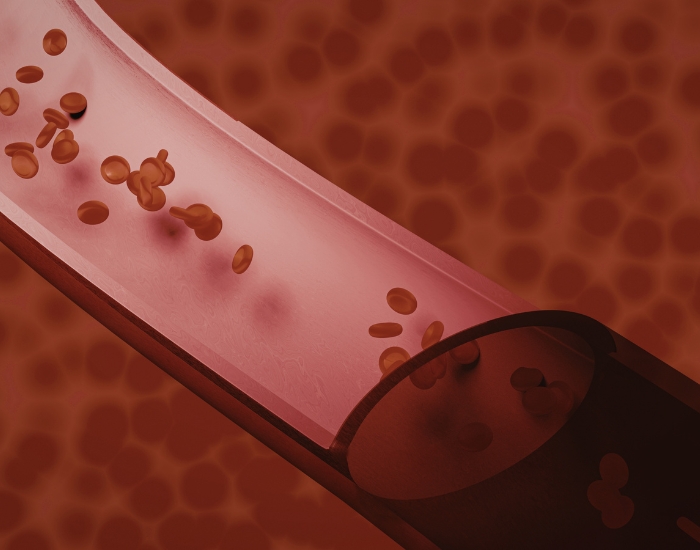
A blood clot forms when blood thickens and clumps together, changing from a liquid to a gel-like or semi-solid state. While clotting helps the body stop bleeding after an injury, clots in the deep veins of the leg can be dangerous.
If a clot blocks blood flow in the leg, it can cause swelling, pain, or skin changes. Worse, if part of the clot breaks loose, it can travel to the lungs, causing a potentially life-threatening pulmonary embolism.
Key points about leg blood clots:
- Most clots form in the deep veins of the calf or thigh.
- People at higher risk include those with limited mobility, recent surgery, obesity, or a history of clotting disorders.
- Early recognition of blood clot symptoms reduces the risk of serious complications.
Common Blood Clot Symptoms in the Leg
Recognizing a blood clot can be tricky because symptoms may be subtle or resemble less serious conditions. The most common blood clot symptoms in the leg include:
- Swelling in one leg: Often sudden and noticeable around the calf or thigh.
- Pain or tenderness: Usually worsens when standing or walking; sometimes feels like a cramp or soreness.
- Warmth in the affected area: The skin may feel warmer than other parts of the leg.
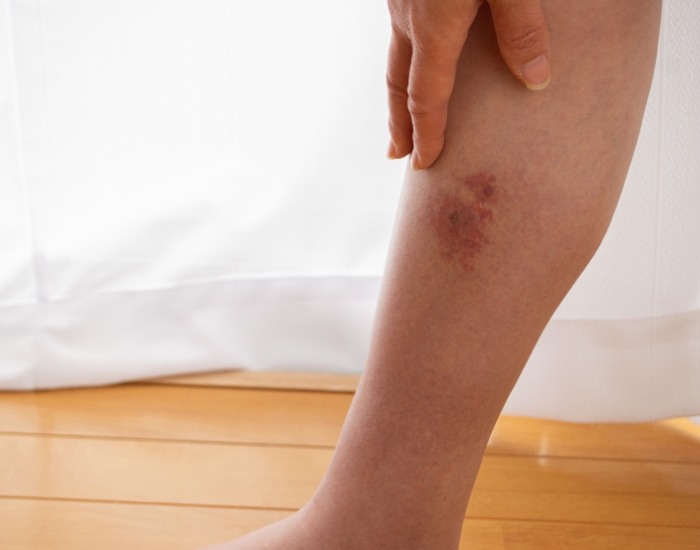
- Red or discolored skin: Skin may appear red, purple, or bluish.
- Heaviness or tightness: Legs may feel full, heavy, or tight even at rest.
Even mild symptoms should not be ignored, especially if swelling occurs in just one leg or is accompanied by discomfort.
When to Seek Emergency Care
While leg swelling and discomfort can have many causes, some situations require urgent medical attention:
- Sudden swelling that does not improve with rest
- Pain that increases when walking or standing
- Redness, warmth, or visible streaks along the leg
- Shortness of breath, chest pain, or lightheadedness (possible sign of a clot traveling to the lungs)
If any of these signs appear, prompt evaluation at an ER or urgent care center is essential. Early treatment helps prevent pulmonary embolism and reduces long-term vein damage.
How Blood Clots Are Diagnosed
Healthcare providers rely on a combination of history, physical exams, and imaging to diagnose blood clots.
Medical History Review:
- Recent surgeries or hospital stays
- Personal or family history of clotting disorders
- Use of hormone therapy or birth control
- Periods of prolonged immobility
Physical Exam:
- Checking for swelling, tenderness, and skin changes
- Measuring leg circumference to detect differences
Diagnostic Testing:
- Ultrasound: Non-invasive scan to detect clots in deep veins
- D-dimer blood test: Measures proteins associated with clotting
- CT or MRI scans: Used in complex cases to locate or evaluate clots
Managing Blood Clots in the Leg
Treatment depends on clot size, location, and individual risk factors. Common approaches include:
Anticoagulants (Blood Thinners):
- Reduce the blood’s ability to clot
- Prevent existing clots from growing
- Lower the risk of new clots forming
Compression Stockings:
- Reduce swelling
- Improve blood flow in the affected leg
Lifestyle Adjustments:
- Stay active to improve circulation
- Avoid prolonged sitting or standing
- Maintain a healthy weight and balanced diet
Surgical or Procedural Interventions:
- Rarely, severe clots may require clot removal or vena cava filters
Prevention Tips for High-Risk Individuals
Preventing clots is often easier than treating them. Key steps include:
- Stay active during long trips: Walk or stretch regularly during flights or long car rides
- Follow post-surgery instructions: Complete mobility exercises and take blood thinners as prescribed
- Manage chronic conditions: Control diabetes, blood pressure, and weight
- Stay hydrated: Proper water intake helps blood circulate effectively
Who Should Manage Blood Clot Concerns?
Blood clots are best handled by healthcare providers with experience in vascular or internal medicine. The right professional depends on your symptoms and the situation.
- Primary care physicians (PCPs): Evaluate risk factors, coordinate care, and provide preventive guidance.
- Internal medicine specialists: Manage ongoing anticoagulant therapy, monitor progress, and adjust medications.
- Vascular specialists: Handle complex clots requiring surgery, filters, or advanced interventions.
- Emergency room physicians: Provide urgent assessment and treatment for sudden swelling, severe pain, or signs of pulmonary complications.
Prompt care can prevent complications and save lives. If you notice sudden changes in your leg or pulmonary symptoms, visiting the ER is the safest choice.
Recognizing Complications Early
Untreated blood clots can lead to serious problems:
- Pulmonary embolism (PE): Occurs when a clot travels to the lungs, causing sudden chest pain, shortness of breath, or rapid heartbeat. Immediate ER care is vital.
- Post-thrombotic syndrome: Persistent leg pain, swelling, or skin changes after a clot resolves.
- Recurrence: People who have had a clot are at higher risk for future clots if risk factors are not managed.
Understanding and acting on blood clot symptoms early can prevent many of these complications.
Smooth Recovery and Long-Term Care
Recovery continues beyond initial treatment. Safe recovery includes:
- Regular follow-up visits: Adjust medications, monitor blood counts, and check for new clots.
- Gradual return to activity: Walking or gentle stretching helps circulation without stressing healing veins.
- Patient education: Knowing early warning signs of recurrence empowers quick action.
Patients who follow treatment plans, embrace preventive strategies, and maintain regular communication with healthcare providers often experience fewer complications and a smoother recovery.
FAQs About Blood Clots in the Leg
1. Can a blood clot go away on its own?
Some small clots may dissolve naturally, but this cannot be predicted. Immediate evaluation is recommended.
2. Are blood clots painful all the time?
Pain varies. Some clots cause mild discomfort, others sharp pain. Swelling or warmth is often more consistent.
3. How fast do clots develop?
Clots can form over hours to days. Sudden swelling warrants urgent assessment.
4. Can blood clots occur without risk factors?
Yes, although immobility, surgery, and clotting disorders increase the risk.
5. Is leg swelling always a blood clot?
Not always. Muscle strain, infection, or venous issues can cause swelling, but only a professional exam confirms a clot.
Final Thoughts
Recognizing blood clot symptoms in the leg is crucial for safety. Early intervention reduces the risk of pulmonary embolism, chronic pain, and long-term vein damage. If swelling, pain, warmth, or redness appears in one leg, or if chest pain or shortness of breath occurs, seek ER care immediately. Staying informed, moving regularly, and following preventive measures can greatly reduce the risk of blood clots.
Medical Disclaimer: This content is for educational purposes only and does not replace professional medical advice. Always consult a qualified healthcare provider for diagnosis and treatment.