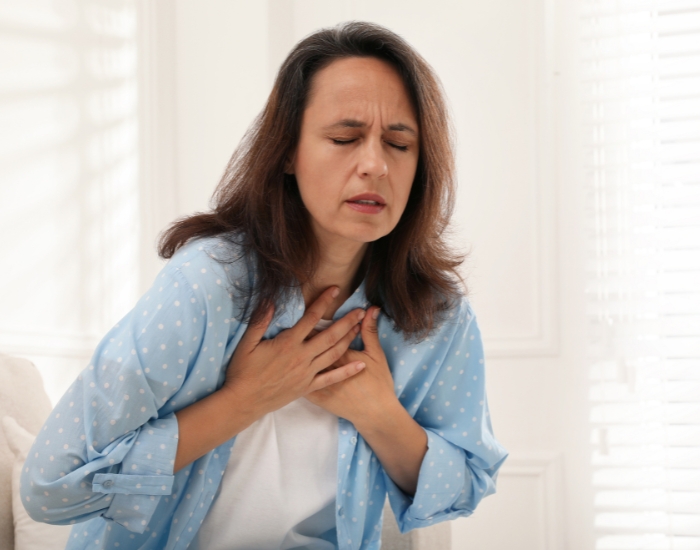
Many people experience a moment when the heart suddenly begins to race, flutter, or pound in the chest. It may happen while resting, during stress, or even in the middle of the night. When heart palpitations occur together with chest pain, the experience can quickly become frightening. A common question arises in that moment: Is this something harmless, or is it a sign of a serious heart problem that requires emergency care?
This uncertainty is one of the most common reasons patients search for heart palpitations causes online. The symptoms can feel intense and confusing. Some individuals wonder whether they should wait to see a primary care doctor. Others worry that going to the emergency room might be unnecessary.
In reality, the body sometimes sends warning signals before a dangerous heart condition develops. Recognizing those signals early can make a critical difference. While many heart palpitations causes are harmless, certain combinations of symptoms, especially when chest pain is present, require immediate medical evaluation.
Understanding what heart palpitations causes may indicate and knowing when to seek emergency care helps people make confident, informed decisions about their health.
Understanding Heart Palpitations and Why They Happen
Heart palpitations describe the feeling that the heart is beating unusually fast, strong, or irregular. Some people describe it as a fluttering sensation. Others feel a pounding or racing heartbeat that seems out of rhythm.
Although the sensation occurs in the chest, it may also be felt in the throat or neck.
Several heart palpitations causes are related to the electrical system that controls the heartbeat. The heart relies on a carefully coordinated electrical signal to keep its rhythm steady. When this signal changes, the heart rate may speed up, slow down, or beat irregularly.
Common heart palpitations causes include:
-
Stress or anxiety
-
Caffeine or energy drinks
-
Dehydration
-
Fever or infection
-
Certain medications
-
Hormonal changes
-
Thyroid disorders
-
Lack of sleep
-
Intense exercise
In many situations, these heart palpitations causes are temporary and resolve on their own. However, when the sensation occurs with chest pain, dizziness, or shortness of breath, the situation becomes more concerning.
Why Chest Pain Along With Heart Palpitations Raises Concern
Chest discomfort combined with palpitations may indicate that the heart is under strain or not receiving enough oxygen.
While mild chest tightness may sometimes occur with anxiety, persistent or worsening pain should never be ignored.
Medical evaluation becomes especially important when heart palpitations causes involve conditions affecting blood flow or heart rhythm.
Possible serious causes include:
-
Heart rhythm disorders
-
Reduced blood flow to the heart
-
Heart inflammation
-
Heart attack
-
Structural heart problems
In these situations, the heart may struggle to pump blood effectively. As a result, the body may experience symptoms that signal an urgent problem.
Because chest pain can sometimes mimic other conditions like acid reflux or muscle strain, determining the real cause requires medical evaluation.
Warning Signs That Require Immediate ER Care
Some symptoms suggest that heart palpitations causes may be related to a dangerous cardiac condition. When these warning signs appear, emergency evaluation becomes important.
Seek emergency care if palpitations occur with:
-
Severe or pressure-like chest pain
-
Pain spreading to the arm, neck, or jaw
-
Shortness of breath
-
Fainting or near fainting
-
Sudden dizziness
-
Sweating without clear reason
-
Nausea or vomiting with chest discomfort
-
Confusion or unusual fatigue
These symptoms may signal a heart attack or a serious heart rhythm problem.
Emergency rooms are equipped to quickly determine whether heart palpitations causes are related to a life-threatening issue.
Heart Rhythm Disorders That Cause Palpitations
Some of the most important heart palpitations causes involve abnormal heart rhythms, also known as arrhythmias.
Arrhythmias occur when the heart’s electrical signals become disorganized or fire too quickly.
Common rhythm disorders include:
Atrial Fibrillation
Atrial fibrillation causes the upper chambers of the heart to beat rapidly and irregularly. This can lead to palpitations, fatigue, and chest discomfort.
Supraventricular Tachycardia
This condition causes sudden episodes of rapid heartbeat that may last several minutes or hours.
Ventricular Tachycardia
This more serious rhythm disturbance begins in the lower chambers of the heart and may reduce blood circulation.
Premature Heartbeats
Extra heartbeats may occur occasionally and feel like skipped or fluttering beats.
While some rhythm changes are harmless, others require immediate treatment. Identifying which heart palpitations causes are involved is essential for proper care.
Conditions Outside the Heart That Can Cause Palpitations
Not every case of palpitations originates in the heart itself. Several medical conditions can influence the heartbeat indirectly.
Additional heart palpitations causes include:
-
Anemia
-
Low blood sugar
-
Electrolyte imbalance
-
Panic attacks
-
Fever
-
Severe dehydration
Even though these problems may not involve structural heart disease, they still require evaluation when symptoms are severe.
An emergency room can quickly test for these issues and stabilize the patient if necessary.
How Emergency Rooms Evaluate Heart Palpitations and Chest Pain
When someone arrives at the ER with symptoms related to heart palpitations causes, medical professionals begin by assessing vital signs and reviewing symptoms carefully.
The goal is to identify serious conditions quickly.
Typical evaluation steps include:
-
Detailed symptom history
-
Physical examination
-
Electrocardiogram (ECG)
-
Blood tests to check heart enzymes
-
Chest imaging
-
Heart monitoring
These tests help determine whether heart palpitations causes are linked to heart attack, arrhythmia, infection, or another medical condition.
Emergency care teams are trained to respond rapidly when life threatening heart conditions are suspected.
Treatment Approaches Based on the Underlying Cause
Treatment depends entirely on what the evaluation reveals.
Some heart palpitations causes require only reassurance and lifestyle adjustments. Others may require medication or urgent intervention.
Possible treatment options include:
-
IV fluids for dehydration
-
Medications to stabilize heart rhythm
-
Oxygen therapy
-
Treatment for infection or fever
-
Blood pressure control
-
Emergency cardiac procedures in severe cases
Because every patient is different, treatment plans are tailored to the individual situation.
Prompt evaluation often prevents complications and allows for early management.
Preventing Future Episodes of Heart Palpitations
Once serious conditions are ruled out, many people can reduce future episodes by addressing common triggers linked to heart palpitations causes.
Helpful prevention strategies include:
-
Limiting caffeine intake
-
Staying well hydrated
-
Managing stress
-
Getting adequate sleep
-
Avoiding stimulant medications when possible
-
Maintaining heart healthy exercise habits
-
Monitoring blood pressure
For individuals with recurring symptoms, follow up care with a physician may include additional heart monitoring.
This approach helps determine whether further treatment is necessary.
Who Should Manage Heart Palpitations?
The appropriate medical professional depends on the situation and severity.
Different providers play important roles in evaluating heart palpitations causes.
Primary Care Physician
A PCP is often the first point of contact for occasional or mild symptoms.
Internal Medicine Specialist
Internal medicine physicians manage complex health conditions that may contribute to palpitations.
Cardiologist
Cardiologists specialize in diagnosing and treating heart rhythm disorders.
Emergency Room Physician
When symptoms involve chest pain, dizziness, or fainting, emergency physicians are best equipped to evaluate the situation immediately.
Choosing the correct level of care ensures that heart palpitations causes are addressed safely and efficiently.
Why Early Evaluation Matters
Many people delay seeking care because they hope symptoms will pass. Unfortunately, certain cardiac conditions worsen without treatment.
Early evaluation helps detect serious issues such as:
-
Heart attack
-
Dangerous arrhythmias
-
Blood flow blockages
-
Heart muscle inflammation
Quick medical attention allows doctors to stabilize the patient and prevent complications.
Understanding possible heart palpitations causes empowers individuals to take symptoms seriously and respond appropriately.
Frequently Asked Questions
Are heart palpitations always dangerous?
Most episodes are harmless, but some heart palpitations causes can signal serious heart problems, especially when chest pain is present.
Can anxiety cause heart palpitations and chest pain?
Yes. Stress and anxiety are common heart palpitations causes, although medical evaluation may still be necessary to rule out cardiac issues.
How long should heart palpitations last before seeking help?
If palpitations last more than a few minutes or occur with chest pain, dizziness, or fainting, emergency evaluation is recommended.
Can dehydration trigger heart palpitations?
Yes. Fluid imbalance is one of the more common heart palpitations causes and can affect heart rhythm.
Should someone go to the ER for heart palpitations?
If palpitations occur with chest pain, shortness of breath, or fainting, immediate emergency care is the safest choice.
Final Thoughts
Heart palpitations can feel alarming, particularly when chest pain is involved. Although many heart palpitations causes are harmless, some situations require immediate medical evaluation to rule out serious heart conditions.
Recognizing warning signs and seeking timely care allows medical professionals to identify the cause quickly and provide appropriate treatment. When symptoms involve chest pain, dizziness, or shortness of breath, emergency care offers the safest and fastest path to answers.
Listening to the body and responding to concerning symptoms helps protect heart health and ensures peace of mind.
Medical Disclaimer:
This content is provided for educational purposes only and should not be considered medical advice. Symptoms involving chest pain, heart palpitations, or other concerning signs should be evaluated by a qualified healthcare professional. Always seek professional medical care for diagnosis and treatment of any medical condition.