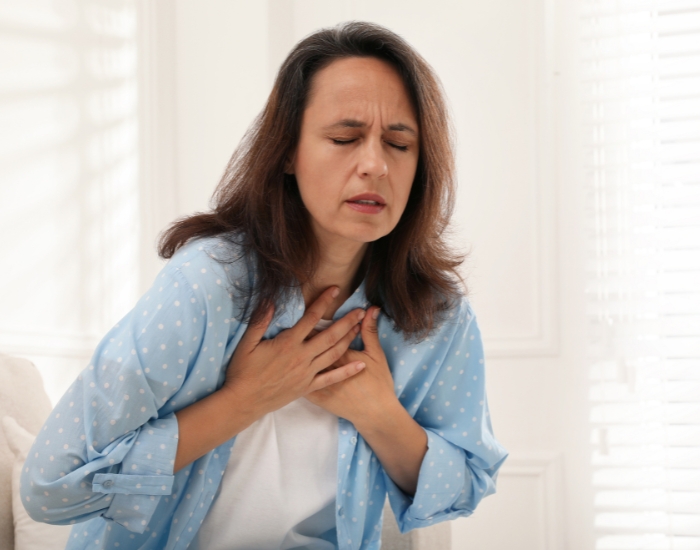
A sudden sharp pain in the upper right abdomen can feel alarming, especially when it appears after eating a meal or wakes someone from sleep. Many people initially assume the discomfort is simple indigestion. However, when the pain becomes intense, spreads to the back or shoulder, or occurs repeatedly, the concern grows quickly.
At that moment, many individuals begin searching for gallbladder attack symptoms to understand what might be happening inside the body. Some wonder if the pain will fade after resting or drinking water. Others question whether the symptoms may signal a gallbladder emergency.
Gallbladder attacks occur when the flow of bile becomes blocked, often by gallstones. The blockage causes pressure and inflammation inside the gallbladder, leading to intense pain and digestive distress.
Recognizing abdominal pain symptoms, understanding the causes behind these attacks, and knowing when emergency care is necessary can help patients respond quickly and protect their digestive health.
What the Gallbladder Does in the Body
The gallbladder is a small organ located beneath the liver on the right side of the abdomen. Its main function is to store bile, a digestive fluid produced by the liver.
Bile helps the body break down fats during digestion.
When food enters the digestive system, the gallbladder releases bile into the small intestine. However, when gallstones block this flow, pressure builds inside the gallbladder.
This blockage leads to many gallbladder attack.
Common Gallbladder Attack Symptoms
A gallbladder attack often begins suddenly and may last from several minutes to several hours.
Typical gallbladder attack symptoms include:
-
Sharp pain in the upper right abdomen
-
Pain spreading to the back or right shoulder
-
Nausea or vomiting
-
Abdominal bloating
-
Pain after eating fatty foods
-
Tenderness in the upper abdomen
Some individuals experience recurring episodes of abdominal pain symptoms, particularly after heavy meals.
Although symptoms may fade temporarily, the underlying problem often remains.
Why Gallstones Trigger Gallbladder Attacks
Gallstones are hardened deposits of cholesterol or bile salts that form inside the gallbladder.
These stones may remain silent for years. However, when a stone blocks the bile duct, gallbladder attack symptoms can appear suddenly.
This blockage leads to:
-
Increased pressure in the gallbladder
-
Inflammation of the organ
-
Severe abdominal pain
Because the gallbladder continues trying to release bile, the pain may come in waves during a gallbladder attack.
Warning Signs That Require Emergency Care
While mild digestive discomfort may resolve on its own, certain gallbladder attack symptoms require urgent evaluation.
Emergency care is recommended if symptoms include:
-
Severe abdominal pain lasting several hours
-
Fever or chills
-
Yellowing of the skin or eyes
-
Persistent vomiting
-
Dark urine or pale stool
-
Severe tenderness in the abdomen
These symptoms may indicate infection, inflammation, or blockage of the bile ducts.
Prompt treatment helps prevent complications such as gallbladder rupture or infection.
Conditions Related to Gallbladder Attacks
Several medical conditions may develop if gallbladder attack symptoms are ignored.
These include:
Acute Cholecystitis
Inflammation of the gallbladder caused by gallstones blocking bile flow.
Bile Duct Obstruction
A stone may move into the bile duct and block the liver’s drainage system.
Pancreatitis
Gallstones can block the pancreatic duct, triggering inflammation of the pancreas.
Each of these complications may produce worsening gallbladder attack symptoms that require emergency treatment.
How Emergency Rooms Diagnose Gallbladder Attacks
When someone arrives at the ER with upper right abdominal pain, physicians evaluate symptoms carefully to determine whether gallbladder attack symptoms are present.
Diagnostic steps often include:
-
Detailed symptom discussion
-
Physical examination
-
Blood tests to detect infection
-
Ultrasound imaging of the gallbladder
-
CT scan if complications are suspected
Ultrasound is particularly effective in identifying gallstones and confirming gallbladder attack symptoms.
Early diagnosis allows doctors to begin treatment before complications develop.
Treatment Options for Gallbladder Attacks
Treatment depends on the severity of gallbladder attack symptoms and whether complications are present.
Possible treatment approaches include:
-
Pain management medications
-
IV fluids
-
Antibiotics if infection is suspected
-
Dietary adjustments
-
Surgical removal of the gallbladder
Gallbladder removal surgery is one of the most common treatments when gallstones repeatedly cause gallbladder attack symptoms.
The procedure is generally performed using minimally invasive techniques.
Preventing Gallbladder Attacks
Although gallstones cannot always be prevented, certain lifestyle choices may reduce the risk of developing gallbladder attack symptoms.
Helpful strategies include:
-
Maintaining a healthy weight
-
Eating balanced meals
-
Limiting high fat foods
-
Exercising regularly
-
Managing cholesterol levels
These steps support digestive health and may lower the chance of future gallbladder problems.
Who Should Treat Gallbladder Attacks?
Several medical specialists may become involved in evaluating gallbladder attack symptoms.
-
Emergency physicians evaluate sudden severe abdominal pain
-
Primary care physicians monitor digestive health and risk factors
-
Gastroenterologists diagnose gallbladder and digestive disorders
-
Surgeons perform gallbladder removal when necessary
When symptoms become severe or persistent, emergency care is often the safest starting point.
Frequently Asked Questions
What are the earliest gallbladder attack symptoms?
Early gallbladder attack symptoms usually include upper right abdominal pain, nausea, and discomfort after eating fatty foods.
How long do gallbladder attacks last?
Episodes may last from 30 minutes to several hours depending on the blockage.
Can gallbladder attacks go away without treatment?
Pain may fade temporarily, but gallstones often remain and may cause future attacks.
What triggers gallbladder attack symptoms?
Fatty meals, large meals, or gallstones blocking bile flow commonly trigger attacks.
Should someone go to the ER for gallbladder pain?
Yes, especially if pain is severe or accompanied by fever, vomiting, or jaundice.
Final Thoughts
Upper right abdominal pain can sometimes signal a gallbladder attack, particularly when symptoms occur after meals or become severe. Recognizing gallbladder attack symptoms early allows patients to seek medical care before complications develop.
Although some attacks may pass temporarily, repeated or worsening symptoms should always be evaluated by a medical professional. Emergency care provides rapid diagnosis, effective treatment, and protection against serious gallbladder complications.
Medical Disclaimer:
This article is for educational purposes only and should not replace professional medical advice. Anyone experiencing gallbladder attack symptoms or severe abdominal pain should seek evaluation from a qualified healthcare professional. Emergency symptoms should always receive immediate medical attention.