Sudden weakness, confusion, or difficulty speaking can be alarming. Many people dismiss these early warning signs as fatigue, stress, or even a bad night’s sleep. However, these subtle changes may indicate a mini-stroke, also called a transient ischemic attack (TIA), or the onset of a full stroke. Recognizing stroke symptoms early can save lives and prevent permanent brain damage, yet knowing what to look for and when to seek emergency care can feel overwhelming.
This guide explains the early signs of stroke, what to do if they appear, and how healthcare professionals evaluate and manage these emergencies.
What Is a Stroke and How Mini-Strokes Differ
A stroke occurs when blood flow to the brain is interrupted, either by a clot blocking a blood vessel (ischemic stroke) or by a blood vessel rupture causing bleeding (hemorrhagic stroke). Without timely intervention, brain cells can die, leading to long-term disability or death.
Mini-strokes, or TIAs, are temporary blockages that produce stroke-like symptoms but usually resolve within minutes to hours. Although symptoms may disappear, a TIA is a serious warning sign that a full stroke could occur in the future. Understanding stroke symptoms early and seeking care immediately can prevent severe complications.
Common Early Stroke Symptoms
Recognizing subtle changes can be life-saving. Common stroke symptoms often include:
-
Sudden numbness or weakness: Especially on one side of the body, affecting the face, arm, or leg.
-
Facial droop: One side of the face may sag or feel numb when smiling.
-
Difficulty speaking or understanding speech: Slurred speech or confusion is a warning sign.
-
Vision changes: Sudden blurred or double vision, or loss of vision in one eye.
-
Dizziness or loss of balance: Unexplained trouble walking, clumsiness, or coordination issues.
-
Severe headache: Often sudden and unusual, sometimes described as the worst headache ever.
Even mild or fleeting symptoms should not be ignored. A TIA may only last a few minutes but signals a high risk for a future stroke.
When to Seek Emergency Care
Time is critical when it comes to stroke. If you notice any stroke symptoms, call 911 or head to the nearest ER immediately. Delays in treatment can result in permanent brain damage.
Seek emergency care if you experience:
-
Sudden weakness, numbness, or facial droop
-
Trouble speaking or understanding speech
-
Loss of coordination, dizziness, or balance problems
-
Sudden vision changes in one or both eyes
-
Severe, unexplained headache
Even if symptoms resolve quickly, medical evaluation is necessary. Mini-strokes often precede a major stroke, and early intervention can save brain function and lives.
How Stroke Is Evaluated
Healthcare providers use a combination of history, physical exams, and imaging to assess stroke risk.
Medical History Review:
-
Recent mini-stroke or TIA
-
Past strokes or heart attacks
-
Family history of stroke or clotting disorders
-
Current medications and chronic conditions
Physical and Neurological Exam:
-
Checking muscle strength and coordination
-
Assessing speech, vision, and reflexes
-
Monitoring vital signs, including blood pressure and heart rate
Diagnostic Testing:
-
CT scan or MRI: Identify the location and type of stroke
-
Blood tests: Check for clotting disorders, infection, or electrolyte imbalances
-
Carotid ultrasound: Detects blockages in arteries supplying the brain
-
Echocardiogram: Evaluates heart function for potential sources of clots
Accurate diagnosis is critical for deciding the most effective treatment plan.
Managing Stroke Symptoms
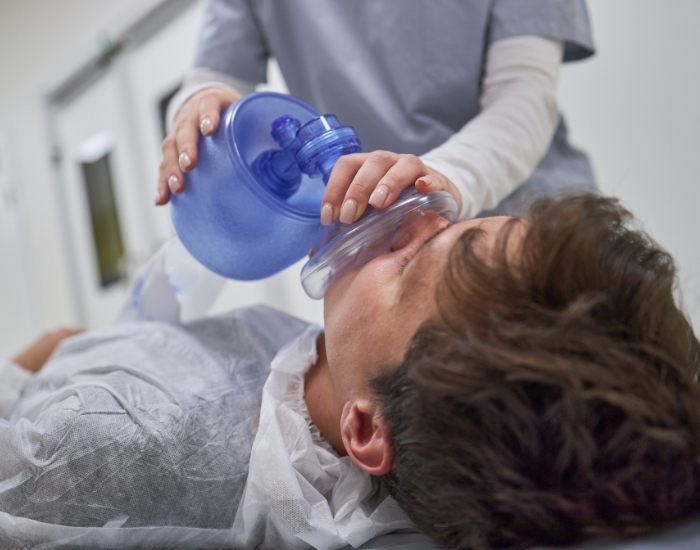
Immediate treatment can prevent further brain damage. Management depends on the type and severity of the stroke:
Ischemic Stroke (Clot-Related):
-
Thrombolytics (clot-busting drugs): Administered in the ER to restore blood flow
-
Anticoagulants or antiplatelets: Prevent new clots from forming
-
Procedures: In some cases, a catheter may remove the clot or place a stent
Hemorrhagic Stroke (Bleeding):
-
Blood pressure control: To reduce further bleeding
-
Surgical intervention: To repair ruptured blood vessels or relieve pressure in the brain
Mini-Stroke (TIA):
-
Evaluation and monitoring: Even though symptoms resolve, treatment focuses on preventing a full stroke
-
Lifestyle and medication adjustments: Blood thinners, cholesterol management, and blood pressure control
Prompt treatment within the first few hours can dramatically improve recovery outcomes.
Prevention Strategies for Stroke
Preventing strokes involves addressing risk factors and adopting healthy habits:
-
Control blood pressure: High blood pressure is a leading risk factor for stroke
-
Manage cholesterol and diabetes: Proper management reduces the likelihood of clot formation
-
Maintain a healthy weight: Exercise and balanced diet support overall vascular health
-
Avoid smoking and excessive alcohol: Both increase stroke risk
-
Stay active: Regular movement improves circulation and reduces clot risk
Following medical advice and lifestyle changes after a TIA or mini-stroke can significantly lower the risk of a major stroke.
Who Should Manage Stroke Concerns?
Stroke management often involves a team of healthcare professionals:
-
Primary care physicians (PCPs): Identify risk factors and coordinate follow-up care
-
Neurologists: Specialists in brain and nerve health who manage acute strokes and long-term care
-
Emergency room physicians: Provide immediate assessment and treatment during stroke onset
-
Cardiologists: May be involved if heart conditions contributed to clot formation
Recognizing stroke symptoms early and contacting the appropriate provider is critical for timely treatment.
Recognizing Complications Early
Even with treatment, strokes can cause complications if not managed promptly:
-
Permanent neurological deficits: Weakness, speech problems, or vision changes
-
Recurring strokes: Patients with prior mini-strokes are at higher risk for additional events
-
Cognitive and emotional changes: Memory problems, depression, or difficulty concentrating
Early recognition and intervention significantly reduce these risks and improve recovery outcomes.
Recovery and Long-Term Care
Recovery from a stroke or mini-stroke often requires multidisciplinary care:
-
Physical and occupational therapy: Helps restore strength, balance, and daily function
-
Speech therapy: Improves communication and swallowing difficulties
-
Medication adherence: Blood thinners, blood pressure medications, or cholesterol-lowering drugs
-
Lifestyle adjustments: Regular exercise, balanced diet, and avoiding smoking
Patients who follow medical guidance and preventive measures are more likely to regain independence and reduce the risk of future strokes.
FAQs About Stroke Symptoms
1. Can mini-strokes be ignored if symptoms go away?
No. Even brief episodes indicate high risk and require immediate evaluation.
2. How quickly do stroke symptoms appear?
Symptoms can appear suddenly within minutes or over a few hours. Prompt response is critical.
3. Are strokes always painful?
Not always. Some strokes cause weakness or numbness without pain. Headaches may occur with hemorrhagic strokes.
4. Can young people have strokes?
Yes. Although risk increases with age, younger adults with risk factors like clotting disorders, smoking, or heart conditions can experience strokes.
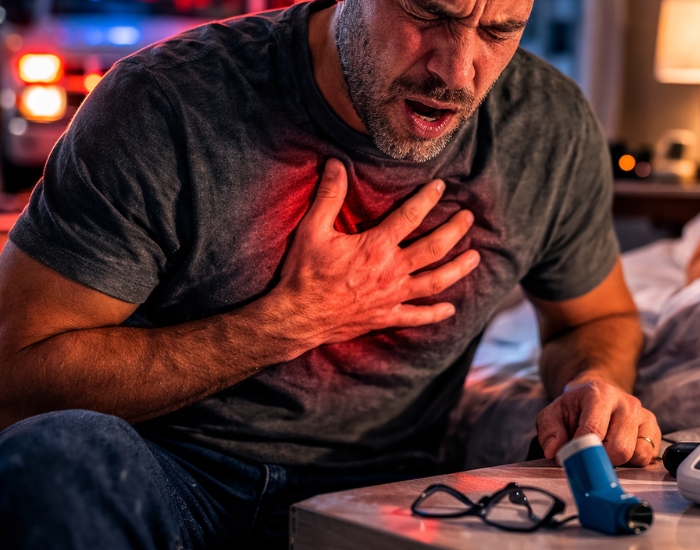
5. How is stroke different from a heart attack?
A stroke affects blood flow to the brain, causing neurological symptoms, while a heart attack affects blood flow to the heart, causing chest pain and other cardiac signs.
Final Thoughts
Early recognition of stroke symptoms is vital. Even subtle signs like temporary weakness, facial droop, or slurred speech can signal a mini-stroke or impending stroke. Immediate ER care can prevent permanent brain damage and improve outcomes. By understanding the early warning signs, knowing when to seek help, and adopting preventive strategies, patients can protect their brain health and reduce the risk of life-altering complications.
Medical Disclaimer: This content is for educational purposes only and does not replace professional medical advice. Always consult a qualified healthcare provider for diagnosis and treatment.