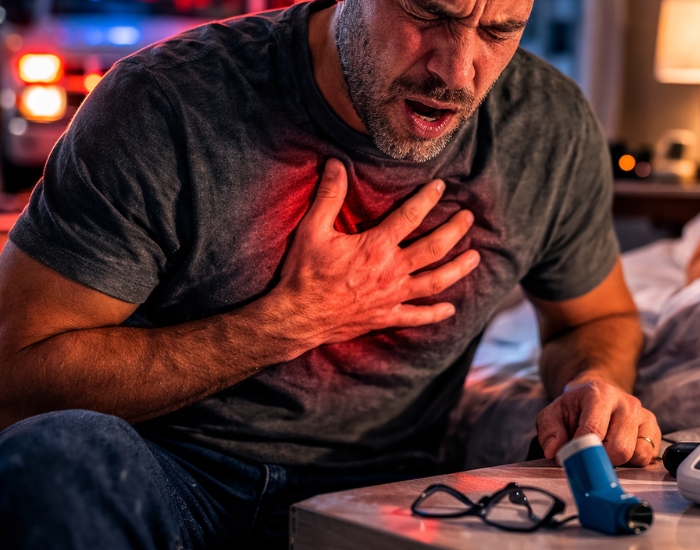
Chest tightness and shortness of breath can be frightening. Many people feel confused when these symptoms appear. Is it anxiety, a lung problem, heartburn, or something more serious? Some people hesitate because they are unsure whether to call a primary care doctor or go straight to the emergency room.
This uncertainty can be stressful. Chest symptoms may start suddenly or slowly build over time. A person may feel pressure in the chest, difficulty taking a full breath, or a squeezing sensation that makes breathing uncomfortable. In those moments, the biggest question becomes simple but urgent: is this something that requires emergency care?
Understanding the possible causes of chest tightness & shortness of breath helps people make informed decisions. Some causes are mild, but others can signal serious heart or lung conditions that require immediate medical attention.
Understanding Chest Tightness & Shortness of Breath
The feeling of shortness of breath usually involves two sensations occurring together.
First, there may be pressure or discomfort in the chest. Second, breathing may feel restricted, shallow, or difficult.
These symptoms can happen for many reasons. Some causes involve the lungs, while others involve the heart, muscles, digestive system, or even emotional stress.
Common causes include:
-
Asthma flare ups
-
Panic or anxiety attacks
-
Lung infections such as pneumonia
-
Pulmonary embolism (blood clot in the lung)
-
Heart attack or heart-related conditions
-
Acid reflux or severe heartburn
-
Allergic reactions
-
Chronic lung disease
Because chest tightness can signal several different conditions, it should never be ignored when symptoms feel severe or unusual.
Sometimes symptoms improve quickly. However, when breathing feels difficult or chest pressure continues, medical evaluation becomes important.
Why Chest Tightness & Shortness of Breath Can Feel Scary
Breathing problems often create immediate fear. The body depends on oxygen every second, so any sensation that interferes with breathing can trigger panic.
In many cases, the body responds with rapid breathing, sweating, or dizziness. These reactions can make chest tightness & shortness of breath feel even worse.
Several body systems can contribute to this sensation:
-
The lungs control oxygen exchange
-
The heart pumps oxygenated blood throughout the body
-
Muscles and nerves coordinate breathing movements
-
The brain regulates breathing patterns
If any part of this system is disrupted, breathing discomfort can develop.
This explains why shortness of breath sometimes appears suddenly and feels overwhelming.
Common Symptoms That Occur With Chest Tightness & Shortness of Breath
Symptoms rarely appear alone. Many patients notice additional signs that help doctors identify the cause.
Possible symptoms include:
-
Pressure or squeezing feeling in the chest
-
Difficulty taking a deep breath
-
Rapid breathing
-
Wheezing or noisy breathing
-
Dizziness or lightheadedness
-
Fatigue or weakness
-
Sweating
-
Nausea
-
Pain spreading to the arm, jaw, or back
These symptoms can help doctors determine whether chest tightness is related to the heart, lungs, or another condition.
However, symptom patterns are not always obvious. That is why sudden breathing issues should always be taken seriously.
When Chest Tightness & Shortness of Breath Requires Emergency Care
Not every breathing problem is life threatening. Still, certain warning signs indicate that emergency care is necessary.
Immediate evaluation is recommended if chest tightness or shortness of breath occurs with:
-
Severe chest pain or pressure
-
Sudden difficulty breathing
-
Fainting or near fainting
-
Blue or pale lips
-
Confusion or difficulty speaking
-
Rapid swelling of the face or throat
-
Severe wheezing or choking sensation
-
Symptoms that worsen quickly
These signs may indicate conditions such as heart attack, pulmonary embolism, severe asthma attack, or allergic reaction.
In these situations, waiting for a routine appointment could delay critical care.
Conditions That May Cause Chest Tightness & Shortness of Breath
Doctors evaluate a wide range of possible conditions when someone experiences chest tightness or shortness of breath.
Heart Related Conditions
Heart problems are a major concern when chest symptoms appear.
Possible conditions include:
-
Heart attack
-
Angina (reduced blood flow to the heart)
-
Heart rhythm problems
-
Heart failure
Heart conditions often cause chest pressure combined with breathing difficulty.
Lung Conditions
Many breathing problems originate in the lungs.
Examples include:
-
Asthma attacks
-
Pneumonia
-
Pulmonary embolism
-
Chronic obstructive pulmonary disease (COPD)
These conditions can make breathing feel restricted or painful.
Anxiety and Panic Disorders
Stress and panic attacks can also produce chest tightness & shortness of breath.
Symptoms may include:
-
Rapid breathing
-
Chest pressure
-
Dizziness
-
Sweating
-
Tingling sensations
Although anxiety symptoms can be intense, it is important to rule out medical causes first.
How Emergency Rooms Evaluate Chest Tightness & Shortness of Breath
Emergency rooms are equipped to evaluate breathing problems quickly and efficiently.
When someone arrives with chest tightness and shortness of breath, medical professionals focus on stabilizing breathing and identifying the cause.
Evaluation often includes:
-
Physical examination
-
Oxygen level monitoring
-
Electrocardiogram (ECG) to evaluate heart rhythm
-
Chest X rays
-
Blood tests
-
CT scans when necessary
Doctors use these tools to determine whether chest tightness and shortness of breath near me is caused by heart disease, lung problems, infection, or another medical issue.
Quick evaluation allows treatment to begin without delay.
Treatment Approaches for Chest Tightness and Shortness of Breath
Treatment depends on the underlying cause.
Some patients improve quickly with oxygen or breathing treatments. Others may require more advanced care.
Common treatments include:
-
Oxygen therapy
-
Bronchodilators for asthma
-
Medications for heart conditions
-
Blood clot treatment
-
Antibiotics for infection
-
Anti inflammatory medications
In emergency situations, rapid treatment can significantly improve outcomes.
The goal is to relieve chest tightness & shortness of breath while addressing the underlying condition.
Preventing Future Episodes
Although not all cases are preventable, certain steps may reduce the risk of future breathing emergencies.
Helpful strategies include:
-
Managing asthma or chronic lung disease
-
Controlling blood pressure and cholesterol
-
Avoiding smoking and secondhand smoke
-
Maintaining regular medical checkups
-
Treating respiratory infections early
-
Managing stress and anxiety
Patients who frequently experience chest tightness & shortness of breath should discuss long term prevention strategies with their healthcare provider.
Who Should Manage Chest Tightness & Shortness of Breath?
Different medical professionals may become involved depending on the cause.
Possible care providers include:
-
Primary care physicians
-
Internal medicine doctors
-
Pulmonologists (lung specialists)
-
Cardiologists (heart specialists)
However, sudden or severe chest tightness & shortness of breath near me should always be evaluated in an emergency room first.
Emergency physicians can quickly determine whether specialist care is needed.
FAQs
Is chest tightness & shortness of breath always a heart problem?
No. Many conditions can cause these symptoms, including lung disease, anxiety, or infections.
Can anxiety cause chest tightness & shortness of breath?
Yes. Panic attacks can create intense breathing discomfort, but medical causes should always be ruled out first.
How long should chest tightness shortness of breath last before going to the ER?
If symptoms are severe, sudden, or worsening, emergency care should be sought immediately.
Is chest tightness & shortness of breath dangerous during exercise?
Breathing difficulty during activity can signal heart or lung problems and should be evaluated.
Should older adults seek faster care for breathing difficulties?
Yes. Older adults may have higher risk for heart and lung conditions.
Final Thoughts
Breathing problems can quickly become frightening. While some cases of breathing difficulties may have mild causes, others require immediate medical attention. Understanding the warning signs helps individuals make safer decisions when symptoms appear.
If breathing feels difficult, chest pressure develops suddenly, or symptoms worsen quickly, emergency evaluation is often the safest choice. Early assessment can identify serious conditions and provide treatment before complications occur.
Medical Disclaimer:
This content is for educational purposes only and does not replace professional medical advice, diagnosis, or treatment. Anyone experiencing severe symptoms or medical concerns should seek immediate medical care from a qualified healthcare provider.