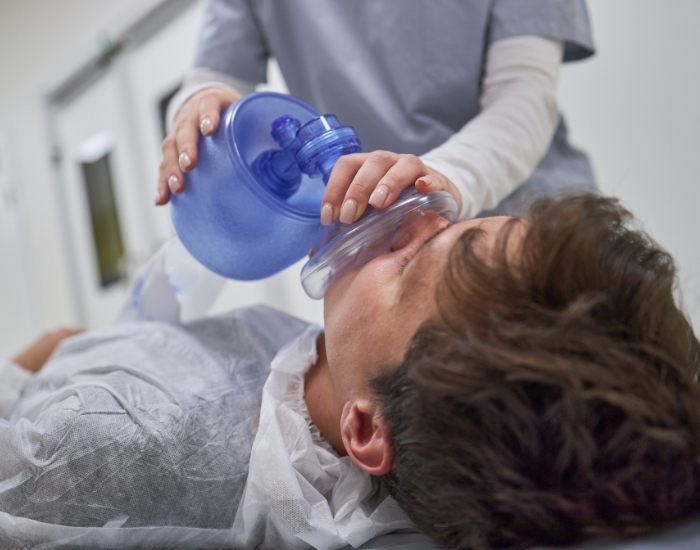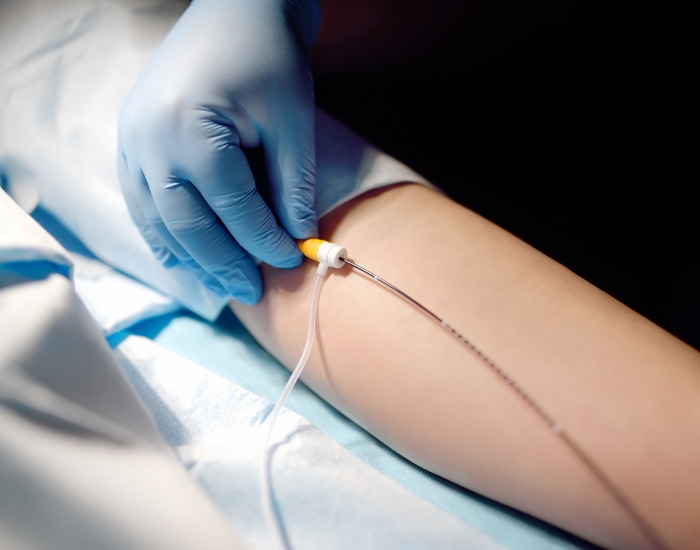
A sudden tingle, numbness, or weakness in one side of the body can feel shocking and confusing. Many people initially assume it is fatigue, a pinched nerve, or sleeping awkwardly. However, these symptoms can be early warning signs of a stroke—a serious medical emergency that requires immediate attention. Recognizing stroke warning signs early and seeking urgent care can prevent permanent brain damage and improve long-term outcomes.
This guide explains the most common stroke warning signs, how to respond if they appear, and what healthcare providers do to evaluate and manage these situations.
Understanding Stroke and Its Early Warning Signs
A stroke happens when blood flow to a part of the brain is either blocked or interrupted, or when a blood vessel in the brain ruptures. Without a continuous supply of oxygen and nutrients, brain cells begin to die within minutes, which makes immediate medical attention crucial. Strokes can be classified into two main types: ischemic strokes, caused by a blood clot blocking a vessel, and hemorrhagic strokes, caused by bleeding in the brain.
Recognizing stroke symptoms early is critical, because timely intervention can preserve brain function, prevent long-term disability, and even save lives. Even temporary or fleeting symptoms—often called a transient ischemic attack (TIA) or mini-stroke—should never be ignored. While the effects may resolve within minutes or hours, a TIA serves as a serious warning that a full stroke could occur in the future.
Key points to understand about strokes include:
-
Ischemic strokes are the most common type, caused by blood clots obstructing arteries in the brain. These clots can arise from the heart, large blood vessels, or smaller arteries.
-
Hemorrhagic strokes occur when a weakened blood vessel bursts, leading to bleeding in or around the brain. This type often results in sudden, severe headaches and requires urgent intervention.
-
TIAs (mini-strokes) produce temporary stroke-like symptoms that resolve quickly but indicate a high risk of future strokes. Even brief episodes should prompt immediate evaluation to reduce the likelihood of permanent damage.
By understanding these distinctions and remaining alert to subtle warning signs, individuals can respond quickly, which is essential for better outcomes.
Common Stroke Warning Signs
Recognizing early symptoms is vital. Stroke warning signs often include:
-
Sudden numbness or weakness: Typically affects one side of the face, arm, or leg.
-
Facial droop: One side of the face may sag, especially when smiling.
-
Arm weakness: Difficulty lifting or holding an arm steady.
-
Speech difficulties: Slurred speech, trouble finding words, or confusion.
-
Vision changes: Blurred, double vision, or loss of vision in one eye.
-
Dizziness or loss of balance: Trouble walking, unsteady movements, or sudden falls.
-
Severe headache: Sudden, intense headache that is unusual or unexplained.
The acronym FAST is an easy way to remember critical warning signs:
-
F – Face: Is one side drooping?
-
A – Arm: Can you lift both arms?
-
S – Speech: Is speech slurred or strange?
-
T – Time: Call 911 immediately if any of these occur.
Even mild or fleeting symptoms require urgent evaluation. A TIA may pass quickly, but it signals a high risk of a full stroke.
When to Go to the ER
Time is brain. Every minute counts during a stroke, as brain cells die rapidly without oxygen. Seek emergency care if you notice:
-
Sudden numbness, weakness, or facial droop
-
Trouble speaking or understanding speech
-
Unexplained dizziness, balance loss, or coordination issues
-
Vision problems in one or both eyes
-
Sudden severe headache
Do not wait for symptoms to resolve or assume they are minor. Immediate evaluation at an ER can save lives and prevent permanent damage.
How Strokes Are Evaluated
Healthcare providers use a combination of patient history, physical exams, and diagnostic testing to confirm a stroke.
Medical History Review:
-
Previous strokes or TIAs
-
Heart conditions or blood clotting disorders
-
Medications and chronic illnesses
-
Recent trauma or surgery
Physical and Neurological Exam:
-
Assessing muscle strength, reflexes, and coordination
-
Checking facial symmetry and speech clarity
-
Monitoring vital signs such as blood pressure, heart rate, and oxygen levels
Diagnostic Tests:
-
CT or MRI scans: Identify stroke location and type
-
Blood tests: Check for clotting disorders, infections, or metabolic issues
-
Carotid ultrasound: Detects blockages in arteries supplying the brain
-
Echocardiogram: Examines heart function and potential clot sources
Early, accurate diagnosis is critical to determine the most effective treatment.
Managing Stroke Symptoms
Stroke management depends on type, severity, and patient health:
Ischemic Stroke (Clot-Related):
-
Thrombolytics: Clot-busting drugs administered quickly to restore blood flow
-
Anticoagulants or antiplatelets: Prevent new clots
-
Procedures: Catheter-based clot removal or stenting may be needed in some cases
Hemorrhagic Stroke (Bleeding):
-
Blood pressure management: Prevent further bleeding
-
Surgery: Repairs ruptured vessels or relieves pressure in the brain
Transient Ischemic Attack (TIA):
-
Evaluation and monitoring: Even if symptoms disappear, treatment aims to prevent a full stroke
-
Lifestyle and medication adjustments: Blood thinners, cholesterol and blood pressure control
Prompt treatment within hours of symptom onset dramatically improves recovery outcomes.
Prevention Strategies for Stroke
The good news is that many strokes can be prevented through proactive steps and lifestyle modifications. Reducing risk factors and adopting healthy habits are key to protecting brain health.
Effective prevention strategies include:
-
Control blood pressure: Hypertension is one of the most significant risk factors for stroke. Regular monitoring and medication, when needed, can lower risk substantially.
-
Manage cholesterol and diabetes: High cholesterol can contribute to artery blockage, and uncontrolled diabetes increases the risk of vascular damage. Following treatment plans helps reduce clot formation and improves circulation.
-
Stay active: Daily physical activity, such as walking, swimming, or light aerobic exercise, enhances blood flow, strengthens the heart, and promotes overall vascular health.
-
Maintain a healthy weight: Excess weight increases strain on the heart and arteries, making strokes more likely. Balanced nutrition and regular activity help maintain a healthy body mass.
-
Avoid smoking and excessive alcohol: Both can damage blood vessels, increase clotting risk, and contribute to long-term cardiovascular issues.
-
Regular medical checkups: Routine screenings allow doctors to detect risk factors early, adjust medications, and recommend lifestyle changes before serious problems arise.
Patients who embrace these preventive measures and follow medical guidance are less likely to experience recurrent strokes and more likely to maintain overall brain and cardiovascular health.
Who Should Manage Stroke Concerns?
Stroke management often requires a coordinated approach from a team of healthcare professionals. Knowing who to contact and acting swiftly can make the difference between full recovery and permanent impairment.
-
Primary care physicians (PCPs): They play a critical role in identifying individual risk factors, coordinating preventive care, and monitoring long-term health. PCPs are often the first point of contact when symptoms or concerns arise.
-
Neurologists: These specialists focus on evaluating and treating strokes. They manage acute interventions, provide long-term rehabilitation strategies, and track recovery progress. Their expertise is vital for complex cases or when specialized treatment is necessary.
-
Emergency room physicians: When a stroke occurs suddenly, ER doctors provide immediate evaluation, rapid imaging, and urgent treatment. Their quick action can prevent brain damage and stabilize patients for further care.
-
Cardiologists: Since heart conditions like atrial fibrillation or heart valve disorders can contribute to stroke risk, cardiologists often collaborate with neurologists to manage underlying causes and prevent future strokes.
A coordinated approach ensures that all aspects of stroke care—from acute treatment to long-term prevention—are addressed effectively.
Recognizing Complications Early
Even with timely treatment, strokes can lead to complications if not managed carefully. Awareness of potential issues and ongoing monitoring are essential for minimizing long-term effects.
-
Permanent neurological deficits: Some patients experience lasting weakness, difficulty speaking, vision changes, or impaired coordination. Early intervention and rehabilitation can help reduce severity.
-
Recurrent strokes: Individuals who have experienced a TIA or stroke remain at higher risk for future strokes. Consistent follow-up and adherence to preventive strategies are critical to reducing recurrence.
-
Cognitive and emotional changes: Memory problems, difficulty concentrating, depression, or anxiety can occur after a stroke. Recognizing these early allows healthcare providers to provide appropriate therapy and support.
By staying vigilant and addressing complications proactively, patients can improve recovery outcomes and maintain a higher quality of life.
Recovery and Long-Term Care
Recovering from a stroke or TIA often involves a multidisciplinary approach to restore physical, cognitive, and emotional function. Recovery is not immediate; it requires consistent care, therapy, and lifestyle adjustments.
Key aspects of post-stroke recovery include:
-
Physical and occupational therapy: Helps rebuild strength, improve balance, and restore daily function. Rehabilitation exercises are tailored to individual needs to maximize recovery.
-
Speech therapy: For patients experiencing difficulty speaking or swallowing, speech therapy improves communication and ensures safe eating.
-
Medication adherence: Blood thinners, blood pressure medications, or cholesterol-lowering drugs help prevent recurrent strokes and support cardiovascular health.
-
Lifestyle adjustments: Incorporating exercise, a balanced diet, stress management, and avoiding tobacco use all contribute to long-term health and reduce stroke risk.
-
Patient education: Learning to recognize early warning signs empowers patients to act quickly if symptoms reappear, enhancing safety and confidence.
Patients who actively engage in their recovery plan, attend regular follow-ups, and implement preventive strategies are more likely to regain independence, minimize complications, and maintain long-term brain and vascular health.
FAQs About Stroke Warning Signs
1. Can numbness go away on its own?
Even if it resolves quickly, sudden numbness may indicate a TIA or mini-stroke. Immediate evaluation is necessary.
2. How fast do stroke symptoms appear?
Symptoms can develop suddenly, within minutes to hours. Early response is critical.
3. Are strokes always painful?
Not always. Some strokes cause numbness or weakness without pain, while hemorrhagic strokes may produce severe headaches.
4. Can young people have strokes?
Yes. Risk factors like heart conditions, clotting disorders, smoking, and hormonal therapy can affect younger adults.
5. How can I prevent a stroke?
Control blood pressure, cholesterol, and diabetes, stay active, maintain a healthy weight, and avoid smoking and excessive alcohol. Regular medical checkups are essential.
Final Thoughts
Sudden numbness in the face, arm, or leg should never be ignored. Recognizing stroke warning signs and seeking immediate ER care can prevent permanent brain damage and save lives. Even fleeting or mild symptoms can signal a mini-stroke or a major stroke in progress. Awareness, prompt response, and preventive strategies are key to reducing risk and protecting long-term brain health.
Medical Disclaimer: This content is for educational purposes only and does not replace professional medical advice. Always consult a qualified healthcare provider for diagnosis and treatment.