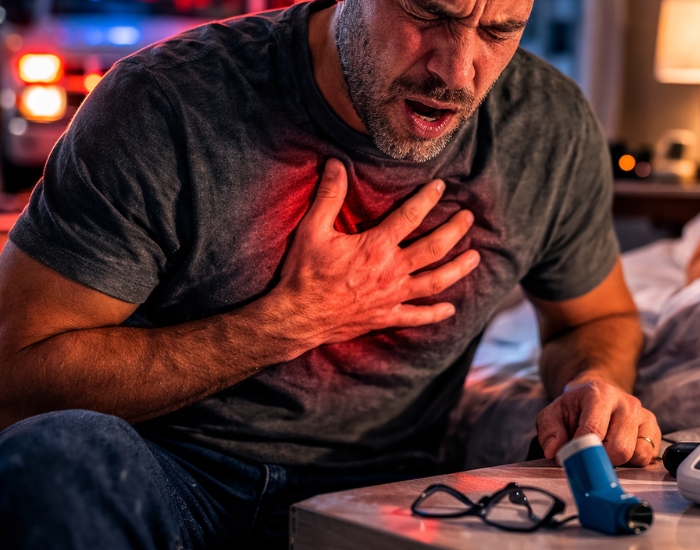
Shortness of breath can be frightening. Whether it happens suddenly or develops over time, struggling to breathe is your body’s way of signaling that something may be wrong. Some causes are mild and temporary, while others are serious medical emergencies that require immediate care.
Understanding shortness of breath reasons, what the symptoms mean, and when to seek help can protect your health and, in some cases, save your life.
What Does Shortness of Breath Mean?
Shortness of breath, also called dyspnea, means feeling like you cannot get enough air, having to work harder to breathe, or feeling breathless even at rest. People describe it in different ways, such as:
-
Feeling tightness in the chest
-
Needing to breathe in and breathe out deeply
-
Feeling winded after minimal activity
-
Struggling to catch a full breath
Shortness of breath can involve the lungs, heart, blood, muscles, or nervous system, which is why it should never be ignored.
Common Shortness of Breath Symptoms
Shortness of breath may occur alone or with other symptoms, including:
-
Chest tightness or pressure
-
Rapid breathing
-
Wheezing or coughing
-
Fatigue or weakness
-
Dizziness or lightheadedness
-
Anxiety or panic
If breathing difficulty worsens or comes with chest pain, confusion, or fainting, it may indicate a medical emergency.
Shortness of Breath Reasons
There are many possible causes of shortness of breath, ranging from temporary conditions to serious illnesses.
Shortness of Breath When Walking
Feeling breathless while walking may be caused by:
-
Poor physical conditioning
-
Lung conditions such as asthma or COPD
-
Heart disease affecting blood flow
-
Anemia (low red blood cells)
If walking short distances causes significant breathlessness or symptoms are worsening, medical evaluation is important.
Shortness of Breath When Lying Down
Shortness of breath when lying down can be a warning sign of heart-related conditions, such as heart failure, where fluid builds up in the lungs. People often notice they need extra pillows to sleep comfortably or wake up gasping for air.
This symptom should always be taken seriously and evaluated promptly.
Shortness of Breath After Eating
Shortness of breath after eating may be linked to:
-
Acid reflux or indigestion
-
Overeating, which puts pressure on the diaphragm
-
Food allergies
-
Heart or lung conditions worsened by digestion
Breathing difficulty after meals that is recurrent or severe should be assessed by a healthcare provider.
Shortness of Breath During Pregnancy
Shortness of breath during pregnancy is common, especially in later stages, as hormonal changes and the growing uterus reduce lung expansion. However, sudden or severe breathing difficulty during pregnancy may indicate serious conditions such as blood clots, anemia, or heart problems and requires immediate medical attention.
Breathing In and Breathing Out Feels Difficult
When both breathing in and breathing out feel labored, it may indicate airway narrowing, lung inflammation, or anxiety-related breathing issues. Wheezing, tightness, or rapid breathing can signal asthma, infections, or allergic reactions.
When Shortness of Breath Is an Emergency
Shortness of breath becomes a medical emergency if it:
-
Starts suddenly without a clear cause
-
Gets worse quickly
-
Occurs with chest pain, fainting, or confusion
-
Happens at rest or wakes you from sleep
-
Occurs after injury or trauma
These symptoms may be associated with heart attack, stroke, blood clots, severe infection, or respiratory failure.
What Helps Shortness of Breath?
What helps shortness of breath depends on the cause, but may include:
-
Sitting upright to improve lung expansion
-
Slowing breathing and focusing on steady breaths
-
Using prescribed inhalers if you have asthma or COPD
-
Avoiding triggers such as allergens or heavy meals
However, home measures should never delay emergency care if breathing difficulty is severe or worsening.
When to Seek Emergency Care for Shortness of Breath
Shortness of breath should never be ignored, especially when it appears suddenly or worsens quickly. Breathing difficulties can signal serious problems involving the lungs, heart, or brain, and delaying care may lead to life-threatening complications. You should seek immediate emergency care if shortness of breath meets any of the following conditions.
If breathing difficulty is severe, sudden, or progressively worsening, it may indicate a critical medical issue such as a blood clot in the lungs, severe asthma attack, pneumonia, or heart failure. Struggling to breathe at rest, gasping for air, or feeling unable to take a full breath requires urgent evaluation.
Shortness of breath that occurs with chest pain or pressure is especially concerning. This combination may signal a heart attack, dangerous heart rhythm, or other serious cardiac condition and should always be treated as a medical emergency.
Breathing difficulty that comes with dizziness, fainting, confusion, or trouble staying alert suggests that the brain may not be getting enough oxygen. These symptoms indicate a potentially life-threatening situation that requires immediate emergency attention.
If shortness of breath is accompanied by bluish or gray lips, fingertips, or skin, this is a sign of low oxygen levels in the blood. Color changes are a late and dangerous warning sign and require emergency treatment right away.
Extra caution is needed when shortness of breath occurs in children, elderly individuals, or people with chronic medical conditions such as heart disease, lung disease, diabetes, or weakened immune systems. In these groups, breathing problems can worsen rapidly and should be evaluated promptly in an emergency setting.
Trust your instincts. If breathing feels wrong, frightening, or out of control, do not wait to see if it improves. Difficulty breathing is a medical emergency, and seeking prompt care can be lifesaving.
Final Takeaway
Shortness of breath has many possible causes, from temporary conditions like anxiety or indigestion to life-threatening emergencies involving the heart or lungs. Understanding what shortness of breath means, recognizing symptoms early, and knowing when to seek emergency care are essential steps in protecting your health. If you or a loved one experiences sudden or worsening breathing difficulty, prompt medical evaluation is critical. Residents in Houston experiencing severe shortness of breath may seek immediate care at Heights Emergency Room, where emergency teams are equipped to diagnose and treat serious breathing-related conditions.
Medical Disclaimer
This content is provided for educational and informational purposes only and does not constitute medical advice, diagnosis, or treatment. Always consult a qualified healthcare provider regarding medical concerns. If you believe you are experiencing a medical emergency, call 911 or go to the nearest emergency room immediately.