Many people experience some discomfort during their menstrual cycle, but severe pain with periods is not something you should be expected to endure. When period pain becomes intense, disabling, or interferes with daily life, it may signal an underlying medical condition that needs attention.
Understanding why severe menstrual pain happens, what symptoms are concerning, and when to seek medical care can help protect your long-term health.
What Is Considered Severe Period Pain?
Severe period pain, also known as severe dysmenorrhea, goes beyond typical cramps. It may include pain that:
-
Prevents you from going to work, school, or daily activities
-
Does not improve with over-the-counter pain medication
-
Worsens with each menstrual cycle
-
Comes with other troubling symptoms
Menstrual pain should be manageable. Pain that feels overwhelming or unbearable is a sign that something more may be happening.
Common Symptoms That Accompany Severe Period Pain
Severe pain during periods may occur along with:
-
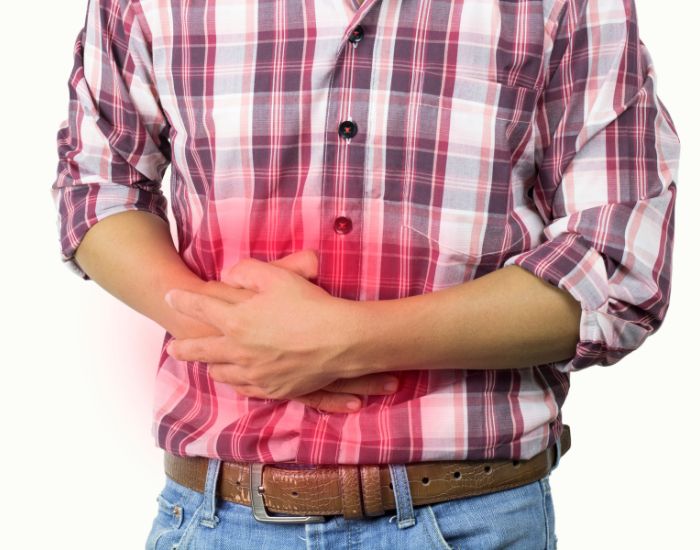
Intense lower abdominal or pelvic pain
-
Lower back or thigh pain
-
Nausea or vomiting
-
Diarrhea or digestive discomfort
-
Headaches or migraines
-
Dizziness or fainting
-
Fatigue or weakness
When these symptoms are severe or sudden, medical evaluation is important.
Possible Causes of Severe Pain With Periods
Endometriosis
One of the most common causes of severe menstrual pain, endometriosis occurs when tissue similar to the uterine lining grows outside the uterus. This can cause intense pain before and during periods, pain during intercourse, and chronic pelvic discomfort.
Uterine Fibroids
Fibroids are non-cancerous growths in the uterus that can lead to heavy bleeding and severe cramping. Pain may worsen over time and feel like deep pressure or stabbing sensations.
Adenomyosis
This condition occurs when uterine lining tissue grows into the muscle wall of the uterus, often causing heavy periods and severe cramping that can last longer than the menstrual cycle itself.
Pelvic Inflammatory Disease (PID)
PID is an infection of the reproductive organs that can cause severe pelvic pain, fever, abnormal discharge, and worsening pain during menstruation. Prompt treatment is essential to prevent complications.
Hormonal Imbalances
Hormones called prostaglandins trigger uterine contractions during periods. When levels are too high, contractions become stronger and more painful, leading to severe cramps.
When Severe Period Pain Becomes a Medical Emergency
While not all menstrual pain requires emergency care, immediate medical attention is needed if severe period pain:
-
Starts suddenly and feels different than usual
-
Is accompanied by fever, vomiting, or fainting
-
Causes severe weakness or dizziness
-
Comes with heavy bleeding that soaks pads or tampons hourly
-
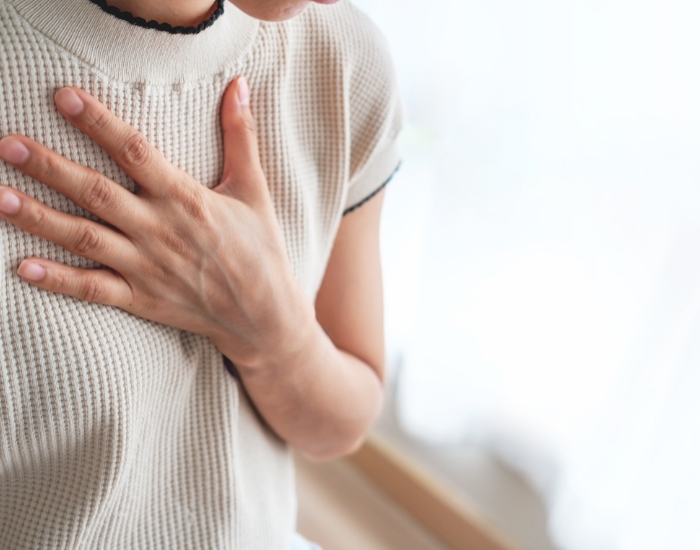
Is associated with chest pain or shortness of breath
These symptoms may indicate infection, internal bleeding, or another serious condition.
What Helps Severe Period Pain?
Relief depends on the underlying cause, but may include:
-
Anti-inflammatory medications
-
Hormonal treatments
-
Heat therapy
-
Lifestyle and dietary changes
-
Treatment of underlying conditions such as endometriosis or fibroids
If pain persists despite treatment, further evaluation is necessary.
When to See a Doctor for Period Pain
You should speak with a healthcare provider if:
-
Period pain is getting worse each month
-
Pain interferes with normal activities
-
Over-the-counter medications no longer help
-
Periods are unusually heavy or irregular
Early diagnosis can prevent long-term complications and improve quality of life.
When to Seek Emergency Care for Severe Period Pain
While many menstrual symptoms can be managed with routine care, severe or sudden period pain should not be ignored. Seek immediate emergency care if menstrual pain is accompanied by fainting, severe weakness, uncontrolled vomiting, fever, heavy bleeding that soaks pads or tampons hourly, chest pain, or shortness of breath. These symptoms may indicate a serious underlying condition that requires urgent evaluation. For patients in Houston experiencing severe or worsening menstrual pain with concerning symptoms, prompt care is available at Heights Emergency Room, where emergency teams can assess and treat acute gynecologic and pain-related emergencies.
Final Takeaway
Severe pain with periods is not something you have to live with. While mild discomfort can be normal, intense or worsening menstrual pain may be a sign of an underlying condition that deserves medical attention. Listening to your body, tracking symptoms, and seeking care early can make a significant difference in both comfort and long-term health.
If menstrual pain feels extreme, sudden, or is accompanied by concerning symptoms, do not ignore it. Getting the right medical evaluation can help you find relief and answers.
Medical Disclaimer
This content is provided for educational and informational purposes only and does not constitute medical advice, diagnosis, or treatment. Always consult a qualified healthcare provider regarding symptoms or medical conditions. If you believe you are experiencing a medical emergency, seek immediate medical care or call 911.