Emergency? We’re open 24/7, no appointment needed.

Call Now
101 N Loop W #300, Houston, TX 77018 (Heights)Open 24/7 — 365 Days a Year(281) 560-4373Get Directions
24/7 CHEST PAIN EMERGENCY CARE

Chest Pain ER in Houston — 24/7 Emergency Evaluation

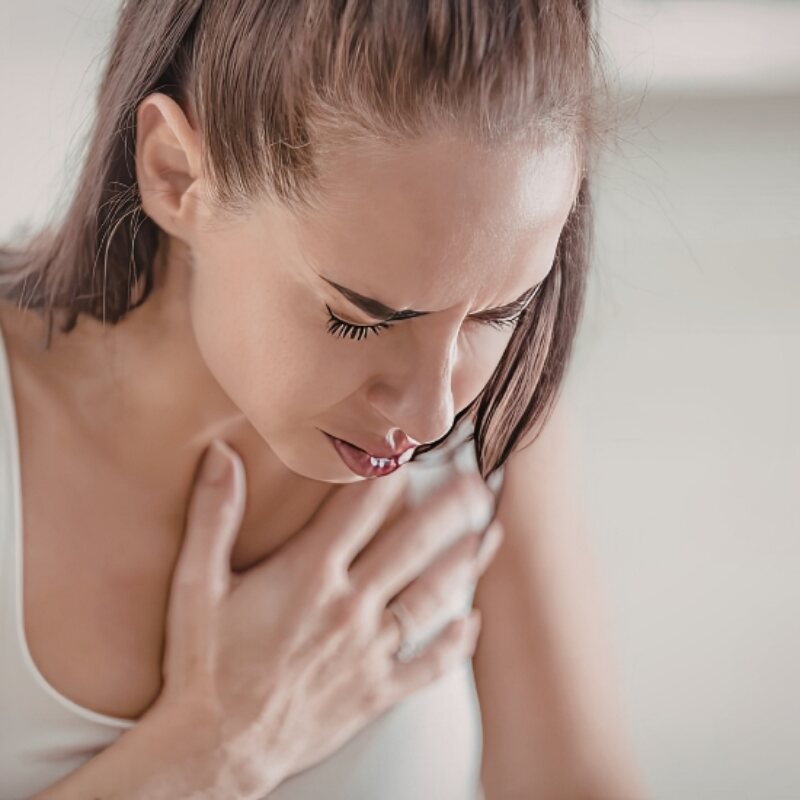
Chest pain, pressure, or tightness can be a sign of a heart attack or another serious condition—especially when it comes with shortness of breath, sweating, nausea, lightheadedness, or pain that spreads to the arm, jaw, back, or shoulder. The Heights Emergency Room in Houston is open 24/7 to evaluate chest symptoms in adults and children.
Open 24/7  •  Walk-Ins Welcome  •  No Appointment Required
WHAT WE OFFER

Emergency Care for Chest Pain, Day or Night

Open 24/7, Even Holidays

Emergency evaluation is available day and night, 365 days a year.

Walk-Ins Welcome

No appointment or referral is required for emergency evaluation.

EKG & Cardiac Evaluation

12-lead EKG testing and evaluation by an emergency physician.

Advanced Imaging On Site

CT scanning and digital X-ray on site, used when your physician needs them.

On-Site Laboratory

On-site blood work, including cardiac markers such as troponin.

Call or Drive to Heights ER

Located at 101 N Loop W #300, Houston, TX 77018.
Chest pain has many possible causes, from a strained muscle to a heart attack. If yours is new, severe, or getting worse, get checked.
CHEST PAIN WARNING SIGNS

When Should You Go to the ER for Chest Pain?

Go to the ER for chest pain that is new, severe, unexplained, or getting worse—especially if it feels like pressure, squeezing, heaviness, or tightness, or if it comes with shortness of breath, sweating, nausea, weakness, fainting, or pain that spreads to the arm, jaw, shoulder, neck, or back.
Chest pain can come from the heart, lungs, esophagus, muscles, or nerves. Some causes are minor and some are life-threatening, and how the pain feels is not a reliable way to tell them apart.
Take chest symptoms especially seriously if you have heart disease or risk factors such as high blood pressure, diabetes, high cholesterol, smoking, or a family history of early heart disease. When in doubt, get checked.
PATIENT REVIEWS

What Patients Say About The Heights Emergency Room

4.7
★★★★★
Based on 664 Google reviews (as of October 2026)
Patients frequently mention a welcoming atmosphere and a clean facility.
E
Erika M. on Google
★★★★★
My sister went into anaphylactic shock while at work and her airway started to close. When we walked in the receptionist took one look at her swelling and ushered us to a medical suite. … I am immensely grateful to the care staff here. Their professionalism and efficiency went a long way to keep my sister calm during the whole process.
K
Kendi on Google
★★★★★
I had a great experience at The Heights Emergency Room after a head injury. … Dr. Zahid was very thorough in his evaluation and took the time to explain everything clearly. … I’m very grateful for the excellent care I received and would highly recommend The Heights Emergency Room!
A
Ahson W. on Google
★★★★★
Very good service. I brought my son here and they very quickly attended to him. … Abdullah took my son’s blood and Pablo administered the CT scan. … Dr. Khan explained the results thoroughly and professionally.
M
Michelle R. on Google
★★★★★
I had a great experience at this ER. The facility was very clean, and the staff was attentive, professional, and compassionate. They took the time to listen to my concerns and made sure all of my needs were addressed. I felt well cared for throughout my visit.
S
Samantha M. on Google
★★★★★
The staff here are amazing!! I had an embarrassing and painful health issue. … This staff made me feel so comfortable and supported through the pain, I didn’t feel embarrassed. … I left feeling heard, educated, and 1000% better!

Need emergency care now?

The Heights Emergency Room is open 24 hours a day, 7 days a week, including holidays. No appointment needed.
Reviews reflect individual patient experiences; care and outcomes vary.

Concerned About Chest Pain?

The Heights Emergency Room is open 24/7 for emergency evaluation.

Chest Pressure or Tightness Can Be an Emergency

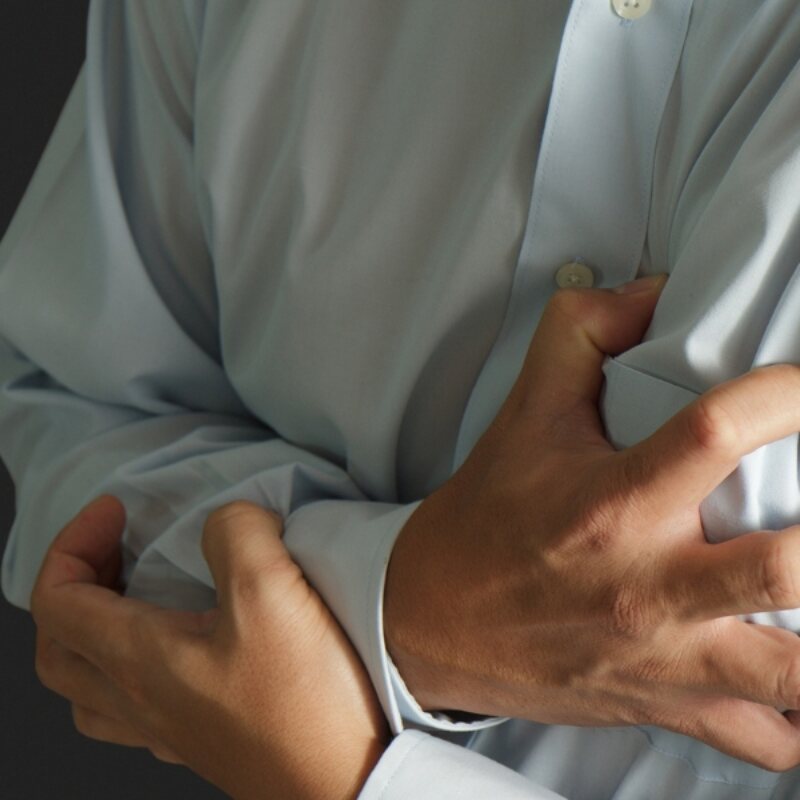
Many people having a heart attack don’t describe what they feel as “pain.”

How people often describe it

New or unexplained chest pressure that comes with shortness of breath, sweating, nausea, lightheadedness, or discomfort in the arm, neck, jaw, or back should be evaluated right away.

Chest Pain and Shortness of Breath

Chest pain with shortness of breath can point to a heart attack, a blood clot in the lungs (pulmonary embolism), a collapsed lung (pneumothorax), pneumonia, or a severe asthma flare. These conditions range from treatable infections to emergencies where minutes matter.

Get emergency care right away for:

Pain Spreading to the Arm, Jaw, Back or Shoulder

Heart-related pain often doesn’t stay in the chest. It can spread to—or sometimes start in—these areas:
Arm
Shoulder
Jaw
Neck
Upper back
Radiating pain is more concerning when it comes with sweating, nausea, shortness of breath, weakness, lightheadedness, or fainting.
Where the pain travels can’t tell you its cause on its own. An exam and testing can.

Heart Attack Symptoms Can Be Different From Person to Person

A heart attack doesn’t always start with sudden, crushing chest pain. Symptoms may be mild, may come and go, or may build over minutes to hours. Women, older adults, and people with diabetes are more likely to have less typical symptoms, such as shortness of breath, nausea, unusual fatigue, or discomfort in the back, jaw, or upper abdomen.

Warning signs can include:

Don’t wait to see whether symptoms pass. The sooner a heart attack is treated, the more heart muscle can be saved.
WOMEN’S HEART HEALTH

Chest Pain and Heart Attack Symptoms in Women

Chest pain or discomfort is the most common heart attack symptom in women, just as it is in men. Women are somewhat more likely to have other symptoms as well, and these are often mistaken for stress, acid reflux, the flu, or simply getting older. Any new or unusual chest discomfort in a woman deserves prompt medical attention.

Symptoms that may accompany chest discomfort

Many women feel the same classic chest pressure men do. What matters most is whether symptoms are new or unusual for you—don’t dismiss them.
OLDER ADULTS

Chest Pain in Older Adults

Older adults can have heart attacks and other serious conditions with less typical symptoms. Some notice only mild chest discomfort, and instead feel short of breath, weak, unusually tired, or confused—or they faint. Because the risk of heart disease rises with age, chest discomfort in an older adult should be evaluated promptly, especially when it comes with any of the symptoms below.

Watch for chest discomfort along with:

Family members and caregivers play an important role here. Older adults sometimes downplay symptoms or have trouble describing them.

What Happens When You Visit the ER for Chest Pain?

Your evaluation is tailored to your symptoms, medical history, vital signs, and physical exam. For chest pain that could be heart-related, it typically includes the following.

EKG / ECG

A 12-lead EKG records your heart’s electrical activity. It can show signs of a heart attack, reduced blood flow, or an abnormal rhythm, and it may be repeated if symptoms continue.

Laboratory Testing

Blood tests, including troponin, help detect heart muscle injury and check for other causes of symptoms, such as anemia or electrolyte problems.

Diagnostic Imaging

A chest X-ray can show pneumonia, a collapsed lung, or fluid. A CT scan may be used when a blood clot in the lungs or a problem with the aorta is suspected.
Not every patient needs every test. Your emergency physician decides which ones are right for you.
CARDIAC BLOOD TESTING

What Blood Tests May Be Used to Evaluate Chest Pain?

When chest pain could be related to the heart, emergency physicians usually check cardiac biomarkers—most often troponin. Troponin is a protein released into the bloodstream when heart muscle is damaged. Because levels can take a few hours to rise, the test is often repeated. Other blood work may be ordered depending on your symptoms and the suspected cause.

Your physician reads the results alongside:

An elevated troponin doesn’t always mean a heart attack. Kidney disease, heart rhythm problems, a blood clot in the lungs, and severe infection can also raise it, which is why results are always interpreted in context.
When to go to the ER for chest pain in Houston

What Can Cause Chest Pain?

Heart-related conditions

Reduced blood flow to the heart (angina or a heart attack), inflammation of the sac around the heart (pericarditis), or a tear in the aorta (aortic dissection). Some of these are time-critical emergencies.

Lung-related conditions

A blood clot in the lungs (pulmonary embolism), pneumonia, a collapsed lung (pneumothorax), or an asthma flare. Some can be life-threatening, especially when breathing is difficult.

Digestive causes

Acid reflux (GERD), esophageal spasm, or gallbladder problems can cause chest discomfort. Reflux can mimic heart pain, so new or unusual chest pain shouldn’t be written off as heartburn.

Musculoskeletal chest pain

A strained chest muscle, a rib injury, or costochondritis (inflammation where the ribs meet the breastbone) can cause pain that worsens with movement or when you press on the area. These causes are generally diagnosed only after more serious ones are ruled out.
Possible causes of chest pain evaluated at The Heights Emergency Room in Houston
Anxiety and panic attacks can cause chest pain too, but they should be considered the explanation only after more serious causes have been ruled out. This information is general and can’t replace an in-person exam.

Is It Heartburn or a Heart Emergency?

Heartburn and heart-related chest pain can feel surprisingly alike.

Both may cause:

A sour taste, burning that rises toward the throat, or relief with antacids may point to reflux—but none of these reliably rules out a heart problem.
Seek emergency care if the discomfort is new, severe, or getting worse, or if it comes with shortness of breath, sweating, nausea, lightheadedness, weakness, fainting, or pain in the arm or jaw.
ANXIETY & PANIC

Can Anxiety or a Panic Attack Cause Chest Pain?

Yes. Anxiety and panic attacks can cause real physical symptoms, including chest pain or tightness, a pounding heartbeat, shortness of breath, sweating, trembling, and dizziness. Because these symptoms overlap so closely with heart and lung emergencies, it isn’t safe to assume that new or severe chest pain is anxiety until a medical evaluation has ruled out other causes.

Why it can be hard to tell the difference

If you’ve been diagnosed with panic attacks but this episode feels different, stronger, or longer than usual, get evaluated.
For non-emergency information about chest discomfort that happens mainly after meals, see our article:
If chest pain is new, severe, unexplained, or concerning, do not wait — seek emergency care.
QUICK ANSWERS

Chest Pain Questions, Answered

When should I go to the ER for chest pain?

Go to the ER for chest pain that is new, severe, or unexplained, lasts more than a few minutes, keeps coming back, or is getting worse—especially if it feels like pressure, squeezing, or tightness, or comes with shortness of breath, sweating, nausea, dizziness, fainting, or pain that spreads to the arm, jaw, neck, shoulder, or back. Heart disease or risk factors such as diabetes, high blood pressure, or smoking make prompt evaluation even more important.

Can an ER tell if chest pain is a heart attack?

Often, yes. Emergency physicians combine your history and exam with an EKG and cardiac blood tests such as troponin, which may be repeated over several hours. A single normal result doesn’t always rule out a heart attack, because some changes take time to appear. The goal of the ER visit is to find or rule out life-threatening causes as quickly as possible.

Should I go to the ER if chest pressure comes and goes?

Yes. Chest pressure that comes and goes can still be serious. Heart-related discomfort doesn’t have to be constant; it can ease and then return. Be especially concerned if the pressure is:

Should women go to the ER for unusual chest discomfort?

Yes. Chest pain or pressure is the most common heart attack symptom in women, just as in men, but women are more likely to also have shortness of breath, nausea, unusual fatigue, or pain in the back, jaw, or arm. These symptoms are often mistaken for stress, reflux, or the flu, which can delay care.

What does chest pain radiating to the arm or jaw mean?

Chest pain that spreads to the arm, jaw, neck, shoulder, or back can be a warning sign of reduced blood flow to the heart, including a heart attack, although other conditions can cause it too. Pain that travels this way—especially with sweating, nausea, shortness of breath, or lightheadedness—should be checked promptly rather than watched at home.

What should I do if I am not sure whether chest pain is serious?

Get evaluated. Many causes of chest pain turn out to be minor, but how the pain feels can’t reliably separate a minor cause from a dangerous one. Choose an emergency room for new, severe, or unexplained chest pain, and call 911 if symptoms are sudden and severe or come with fainting or serious trouble breathing.
EMERGENCY SAFETY

When Should You Call 911 Instead of Driving to the ER?

Call 911 right away—for yourself or someone else—if symptoms could be life-threatening.

Call 911 for:

Paramedics can begin treatment on the way, including an EKG, oxygen, and medications, and can alert the emergency team before you arrive.
Don’t drive yourself if your condition could suddenly worsen, and don’t let someone with these symptoms drive.
WHERE TO GO FOR CHEST PAIN

ER vs Urgent Care for Chest Pain: Where Should You Go?

Urgent care centers handle many minor illnesses well, but most aren’t equipped to fully evaluate serious causes of chest pain. They typically can’t provide continuous heart monitoring, repeated cardiac blood tests, or CT scans. If your chest pain is severe, new, or getting worse—or comes with shortness of breath, fainting, sweating, nausea, or pain spreading to the arm or jaw—an emergency room is the better choice. Not every episode of chest discomfort needs the ER; clearly minor causes can often be handled elsewhere.

Call 911

Go to the ER

Urgent Care — Only If Clearly Minor

If you are unsure, choose the ER.

Why Not Urgent Care for Chest Pain?

Many urgent care clinics can do basic tests, and some offer an EKG. If a serious cause is suspected, though, patients are usually transferred to an emergency room, which can delay treatment when time matters.

24/7 Chest Pain Emergency Evaluation in Houston

Chest pain doesn’t keep office hours. The Heights Emergency Room is open 24 hours a day, 7 days a week, including holidays.

Emergency Physician Evaluation

Assessment by an on-site emergency physician.

EKG / ECG Testing

Heart rhythm assessment when appropriate.

Laboratory Testing

On-site emergency lab work when indicated.

Digital X-ray

Digital imaging when clinically indicated.

CT Imaging

Advanced imaging when medically appropriate.

Emergency Treatment

Care guided by physician evaluation.
Testing and treatment depend on the patient’s individual condition and medical needs.

Chest Pain ER Near Houston Heights

The Heights Emergency Room is a freestanding emergency room at 101 N Loop W #300, Houston, TX 77018, along the North Loop (610) in central Houston. It is open 24 hours a day, 7 days a week and can be reached at (281) 560-4373.
The Heights Emergency Room
101 N Loop W #300
Houston, TX 77018
Open 24 hours a day, 7 days a week

If you are searching for:

The Heights Emergency Room is open day and night for emergency evaluation.

Serving Houston Heights and Nearby Neighborhoods

Patients come to The Heights Emergency Room from across central and northwest Houston. Our North Loop location is convenient for residents of Garden Oaks, Oak Forest, Houston Heights, Timbergrove, Woodland Heights, Independence Heights, the Northside, Rice Military, the Washington Avenue corridor, First Ward, and Downtown. Whether you live or work in one of these neighborhoods, emergency evaluation for chest pain is available 24 hours a day.
ZIP 77018
Garden Oaks, Oak Forest, and Independence Heights / Central Northwest
ZIP 77008
Houston Heights, Lazybrook, and Timbergrove
ZIP 77009
Heights East, Northside, and the Woodland Heights area
ZIP 77022
Independence Heights and Northline / Northside
ZIP 77007
Washington Avenue, Rice Military, the western and southern Heights, and First Ward
ZIP 77002
Downtown, northern Downtown, and nearby First Ward areas
Travel times vary with traffic and time of day.
FAQ

Chest Pain ER — Frequently Asked Questions

Yes, if your chest pain is new, severe, unexplained, or getting worse—especially with shortness of breath, sweating, nausea, dizziness, fainting, or pain spreading to the arm, jaw, shoulder, neck, or back. How the pain feels can’t reliably tell you its cause, so when in doubt, get checked. For a suspected heart attack or life-threatening symptoms, call 911.

For new, severe, unexplained, or worsening chest pain — or chest pain with shortness of breath, sweating, nausea, dizziness, or pain spreading to the arm or jaw — go to the emergency room. Most urgent care clinics are not equipped to fully evaluate a possible heart or lung emergency. Urgent care may be reasonable only for mild, clearly minor discomfort, such as soreness after a known muscle strain. If you are unsure, choose the ER.

Yes, it can be. Many people having a heart attack feel pressure, squeezing, heaviness, tightness, or fullness rather than pain. Chest pressure deserves prompt evaluation when it’s new or unexplained, or when it comes with shortness of breath, sweating, nausea, dizziness, or weakness.

It can be. Chest pain with shortness of breath may point to a heart attack, a blood clot in the lungs, a collapsed lung, or pneumonia, so it should be evaluated promptly. For severe trouble breathing or other life-threatening symptoms, call 911 immediately.

Yes. Heartburn and heart-related chest symptoms can feel similar, and both may cause burning, pressure, or discomfort — sometimes after eating. Because these symptoms overlap, new or concerning chest pain should not automatically be assumed to be acid reflux. When chest pain is new, severe, or unexplained, seek emergency care.

Yes. A 12-lead EKG is one of the first tests used to evaluate chest pain. It records your heart’s electrical activity and can show signs of a heart attack or an abnormal rhythm. Whether you need one depends on your symptoms and the physician’s assessment.

Yes. Blood tests, including troponin—a marker of heart muscle injury—can be performed on site. Your physician decides which tests you need based on your symptoms and exam.

Yes. The Heights Emergency Room is open 24 hours a day, 7 days a week — including nights, weekends, and holidays — for emergency evaluation.

No. No appointment or referral is required for emergency evaluation, and walk-ins are welcome 24/7.

Testing depends on your symptoms and history, but an emergency evaluation for chest pain commonly includes an EKG, blood tests such as troponin, and sometimes a chest X-ray or CT scan. The emergency physician interprets these results together with your history and physical examination. Not every test is needed for every patient; testing is chosen based on what is medically appropriate.

Yes, anxiety and panic attacks can cause chest pain or tightness, a racing heartbeat, shortness of breath, and dizziness. However, these symptoms overlap with heart and lung emergencies, and both can occur at the same time. New, severe, unexplained, or worsening chest pain should not be assumed to be anxiety until a medical evaluation has ruled out more serious causes.

Chest pain during or after exercise should be taken seriously, especially if it is new, comes on with less exertion than before, or occurs with shortness of breath, sweating, nausea, dizziness, or pain spreading to the arm or jaw. Exertion increases the heart’s demand for oxygen and can reveal an underlying heart problem. Stop the activity and seek emergency evaluation if symptoms are severe, persistent, or worsening.

Yes, chest pain with dizziness, lightheadedness, or fainting can be serious and should be evaluated promptly. This combination may point to a heart rhythm problem, reduced blood flow, a blood clot in the lungs, or another condition affecting circulation. Anyone who has fainted, feels confused, or cannot stay steady should not drive themselves; emergency medical services are the safer option.

Chest pain accompanied by cold sweating or nausea deserves prompt attention, because this combination can occur with serious heart-related conditions. These symptoms are not always caused by the heart, but they should not be ignored. If chest pain occurs with sweating, nausea, shortness of breath, or pain radiating to the arm or jaw, seek emergency evaluation.

Medical disclaimer: This page provides general health information and is not a substitute for professional medical advice, diagnosis, or treatment.

Concerned About Chest Pain? Emergency Care Is Available 24/7

Do not ignore new or concerning chest pain, chest pressure, breathing difficulty, fainting, or symptoms that are rapidly getting worse.
The Heights Emergency Room
101 N Loop W #300, Houston, TX 77018
For a suspected heart attack or other life-threatening emergency, call 911 immediately.