The post What Does Sepsis Feel Like? appeared first on Heights Emergency Room.
]]>Many people search online for questions such as “what does sepsis feel like,” “early warning signs of sepsis,” “how do I know if I have sepsis,” and “when should I go to the ER for sepsis symptoms.” The challenge is that sepsis often doesn’t look the same in every person. Some individuals develop a high fever and chills, while others experience confusion, weakness, dizziness, shortness of breath, or a feeling that something is seriously wrong.
Understanding the signs of sepsis can help people recognize when an infection may be becoming dangerous. Because sepsis can worsen rapidly, early medical treatment can be lifesaving.
Important Note
Many severe cases of sepsis begin with symptoms that initially seem similar to common illnesses. Fever, fatigue, weakness, and body aches are often easy to dismiss. However, when infection symptoms become severe, rapidly worsen, or are accompanied by confusion, breathing difficulty, or dizziness, immediate medical evaluation may be necessary. Early recognition can significantly improve outcomes.
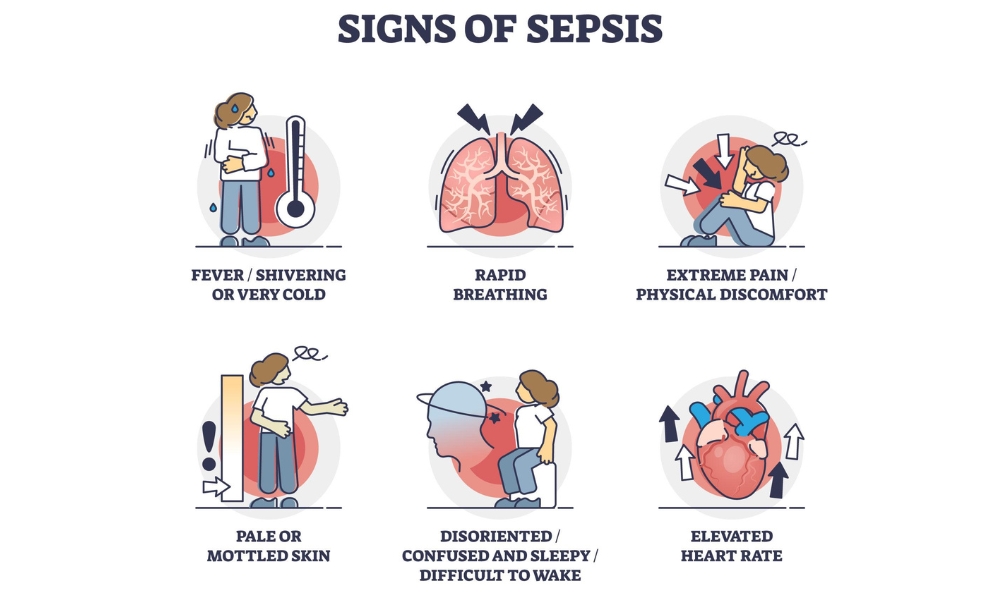
Table of Contents
- What Is Sepsis?
- What Does Sepsis Feel Like?
- Early Warning Signs of Sepsis
- How Infections Lead to Sepsis
- Who Is Most at Risk?
- Common Sepsis Symptoms
- How Quickly Can Sepsis Develop?
- When Is Sepsis an Emergency?
- How Doctors Diagnose Sepsis
- How Sepsis Is Treated
- Can Sepsis Be Prevented?
- Emergency Sepsis Care in Houston
- Frequently Asked Questions
What Is Sepsis?
Sepsis occurs when the body’s response to an infection becomes dysregulated and begins affecting multiple organ systems. Instead of fighting only the infection, the immune response can trigger widespread inflammation throughout the body.
This inflammatory reaction may damage blood vessels, reduce blood flow to vital organs, and lead to serious complications if treatment is delayed.
Sepsis is not an infection itself. Rather, it is a potentially life-threatening response to an infection.
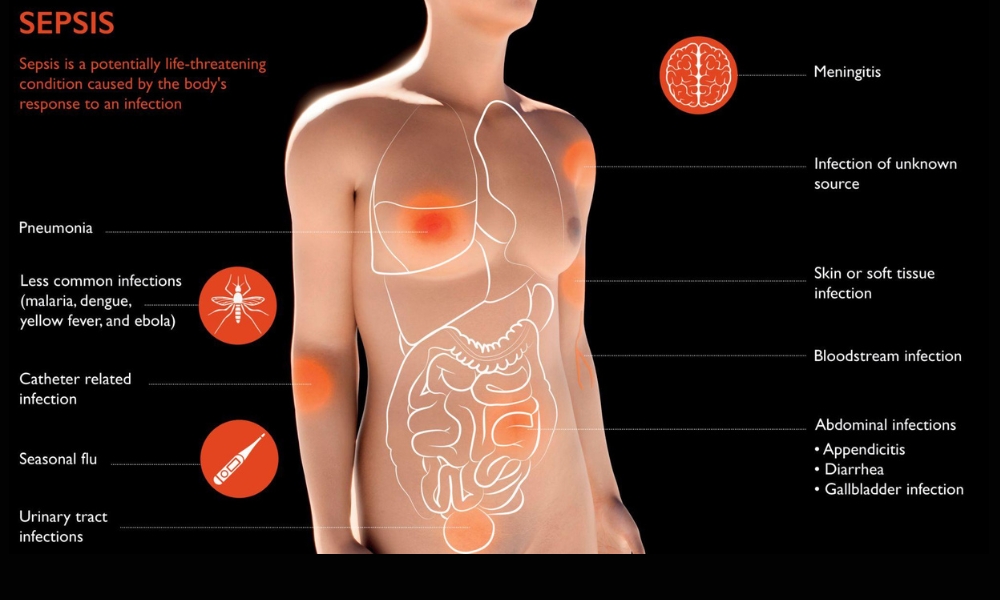
The condition can develop from infections occurring almost anywhere in the body, including the lungs, urinary tract, abdomen, skin, bloodstream, or surgical wounds.
What Does Sepsis Feel Like?
One reason sepsis can be difficult to recognize is that people often describe the experience differently. However, many patients report feeling far sicker than they would expect from a routine infection.
Some individuals describe a sudden and overwhelming sense of weakness. Others report severe fatigue, dizziness, chills, confusion, or feeling unable to think clearly.
Many survivors of sepsis describe an intense sensation that something was seriously wrong, even before they understood what was happening medically.
Common Descriptions People Use
- Extreme weakness
- Overwhelming exhaustion
- Severe chills
- Feeling unusually confused
- Difficulty concentrating
- Dizziness or lightheadedness
- Rapid breathing
- Feeling feverish or very cold
- A sense of impending danger
- Feeling dramatically worse than expected
While these symptoms do not automatically mean sepsis is present, they should never be ignored when occurring alongside an active infection.
Early Warning Signs of Sepsis
The earliest warning signs of sepsis can resemble influenza, COVID-19, pneumonia, or other infections.
This overlap is one reason many people delay seeking treatment.
Unfortunately, waiting too long can allow the condition to progress into severe sepsis or septic shock.
Early Signs of Sepsis May Include:
- Fever
- Chills
- Rapid heart rate
- Rapid breathing
- Extreme fatigue
- Body aches
- Weakness
- Nausea
- Feeling unusually ill
- Worsening infection symptoms
Some individuals may experience only a few of these symptoms initially. Others may develop several warning signs simultaneously.
The key concern is that symptoms often continue worsening rather than improving.
How Infections Lead to Sepsis
Almost any infection can potentially lead to sepsis under the right circumstances.
When bacteria, viruses, or fungi trigger an aggressive immune response, inflammation may spread beyond the original infection site.
Common infections associated with sepsis include:
- Pneumonia
- Urinary tract infections
- Kidney infections
- Cellulitis
- Abdominal infections
- Surgical wound infections
- Bloodstream infections
- Respiratory infections
Patients experiencing severe infection symptoms may also benefit from learning about respiratory infections requiring emergency care and serious urinary tract infections, as these are among the most common sources of sepsis.
Who Is Most at Risk for Sepsis?
Although anyone can develop sepsis, certain groups face a higher risk of severe illness.
Age, underlying health conditions, immune system function, and the type of infection all influence risk levels.
Higher-Risk Individuals Include:
- Adults over age 65
- Infants and young children
- People with diabetes
- Cancer patients
- Individuals with weakened immune systems
- People with chronic kidney disease
- Patients recovering from surgery
- Individuals with chronic lung disease
- Nursing home residents
- Patients with recent hospitalizations
However, it is important to remember that sepsis can also occur in otherwise healthy individuals.
Even minor infections occasionally progress unexpectedly.
Common Sepsis Symptoms
As sepsis develops, symptoms often become more noticeable and more severe.
The body may begin showing signs that infection is affecting multiple systems simultaneously.
Some symptoms are subtle, while others are unmistakably serious.
Common Signs of Sepsis Include:
- High fever
- Low body temperature
- Rapid heartbeat
- Rapid breathing
- Confusion
- Extreme weakness
- Dizziness
- Difficulty staying awake
- Shortness of breath
- Decreased urine output
- Cold or clammy skin
- Severe fatigue
As symptoms worsen, the risk of organ dysfunction increases.
Confusion, breathing difficulty, and severe weakness are particularly concerning warning signs.
How Quickly Can Sepsis Develop?
One of the most dangerous aspects of sepsis is how quickly it can progress.
Some infections remain stable for days before complications arise. Others can trigger sepsis within hours.
A person may feel relatively normal in the morning and significantly worse by evening.
This rapid progression is one reason healthcare professionals emphasize early recognition and treatment.
Because sepsis can advance quickly, waiting to see whether symptoms improve can sometimes be dangerous.
Important Note
Not every fever or infection results in sepsis. However, symptoms such as confusion, difficulty breathing, severe weakness, persistent dizziness, or rapidly worsening illness should never be dismissed. Sepsis outcomes improve significantly when treatment begins early.
When Is Sepsis an Emergency?
Sepsis should always be treated as a potential medical emergency. The condition can progress to septic shock, a life-threatening state in which blood pressure drops dangerously low and vital organs may begin to fail.
Many people wonder whether symptoms are serious enough to justify an emergency room visit. While only a healthcare professional can make a diagnosis, certain symptoms should prompt immediate medical evaluation.
Seek Emergency Care Immediately If Infection Symptoms Are Accompanied By:
- Confusion or altered mental status
- Difficulty breathing
- Severe shortness of breath
- Chest pain
- Persistent dizziness
- Fainting or near-fainting
- Blue lips or fingertips
- Very low blood pressure
- Difficulty staying awake
- Rapid worsening of symptoms
- Decreased urine output
- High fever with severe weakness
Patients experiencing breathing problems may also benefit from reading about severe breathing difficulties that require emergency care.
If symptoms involve chest discomfort or pressure, additional evaluation may be necessary because certain heart conditions can mimic or accompany serious infections. Related information is available regarding emergency evaluation for chest pain.
What Is Septic Shock?
Septic shock represents the most severe stage of sepsis.
At this point, the body’s response to infection causes profound circulatory problems that reduce blood flow to critical organs such as the brain, kidneys, heart, and lungs.
Without prompt treatment, septic shock can become fatal.
Possible Signs of Septic Shock
- Dangerously low blood pressure
- Confusion or disorientation
- Cold, pale, or clammy skin
- Rapid breathing
- Rapid heartbeat
- Extreme weakness
- Severe dizziness
- Reduced urine output
- Loss of consciousness
Because septic shock can progress rapidly, emergency medical intervention is critical.
Can Sepsis Cause Shortness of Breath?
Yes. Shortness of breath is a common symptom of severe sepsis.
As infection spreads and inflammation increases, the body may require more oxygen while the lungs become less effective at delivering it.
Patients frequently report:
- Rapid breathing
- Difficulty catching their breath
- Chest tightness
- Feeling unable to take a full breath
- Worsening breathing during activity
Individuals concerned about breathing-related emergencies can also review information regarding emergency treatment for breathing difficulties and serious respiratory symptoms requiring emergency evaluation.
Can Sepsis Cause Confusion?
Confusion is one of the most important warning signs of severe infection.
Family members often notice mental changes before the patient does.
A normally alert person may suddenly seem forgetful, disoriented, unusually sleepy, or unable to answer simple questions.
These neurological changes occur because infection, inflammation, and reduced blood flow can affect brain function.
Mental Changes That May Occur During Sepsis
- Confusion
- Disorientation
- Difficulty concentrating
- Memory problems
- Excessive sleepiness
- Unusual agitation
- Hallucinations in severe cases
Confusion associated with infection should never be ignored, particularly in older adults.
Can Sepsis Cause Extreme Fatigue?
Many patients describe severe fatigue as one of the earliest and most noticeable symptoms.
This is not ordinary tiredness.
People often report feeling completely drained, unable to complete routine activities, or struggling to remain awake.
The body is working intensely to respond to infection, which places significant stress on multiple organ systems.
When profound fatigue occurs alongside fever, chills, weakness, or infection symptoms, medical evaluation may be warranted.
Can Cellulitis Lead to Sepsis?
Yes. Cellulitis is one of the more common skin infections that can occasionally progress to sepsis if left untreated or if the infection spreads.
Cellulitis typically causes redness, swelling, warmth, tenderness, and skin discoloration.
If infection enters the bloodstream, the risk of systemic illness increases.
Warning signs include:
- Rapidly spreading redness
- Increasing pain
- Fever
- Chills
- Weakness
- Dizziness
- Confusion
Patients concerned about skin infections may also find helpful information regarding emergency treatment for wounds and infections at cuts and wound infections.
How Doctors Diagnose Sepsis
There is no single test that instantly confirms sepsis.
Healthcare providers evaluate symptoms, physical findings, medical history, and laboratory results together.
The goal is to identify both the infection source and signs that the body’s organs are being affected.
Emergency Evaluation May Include:
- Physical examination
- Blood testing
- Blood cultures
- Urine testing
- Chest X-rays
- CT scans
- Oxygen monitoring
- Blood pressure monitoring
- Kidney function testing
- Liver function testing
Doctors often begin treatment quickly if sepsis is suspected, even while test results are still pending.
How Sepsis Is Treated
Early treatment is one of the most important factors affecting recovery.
When sepsis is identified promptly, aggressive treatment can often prevent progression to septic shock.
Common Sepsis Treatments Include:
- Intravenous antibiotics
- IV fluids
- Oxygen therapy
- Blood pressure support medications
- Treatment of the infection source
- Laboratory monitoring
- Cardiac monitoring
- Hospital admission when necessary
In severe cases, patients may require intensive care monitoring and advanced life-support measures.
The sooner treatment begins, the better the chance of preventing serious complications.
Can Sepsis Be Prevented?
Not every case of sepsis can be prevented, but reducing infection risk and seeking timely treatment for infections can significantly lower the chances of developing severe complications.
Many cases begin with infections that initially seem minor. A small skin wound, respiratory infection, urinary tract infection, or untreated illness may eventually progress if bacteria or other pathogens spread.
Ways to Reduce the Risk of Sepsis
- Seek treatment for infections that worsen instead of improving
- Take prescribed antibiotics exactly as directed
- Keep wounds clean and properly covered
- Practice regular hand hygiene
- Stay current with recommended vaccinations
- Manage chronic medical conditions carefully
- Monitor infections closely in older adults
- Seek medical attention for unexplained fever and weakness
Individuals with diabetes, weakened immune systems, or chronic illnesses should be particularly cautious because infections may progress more rapidly in these populations.
What Conditions Can Be Mistaken for Sepsis?
Several serious medical conditions can produce symptoms similar to sepsis. This overlap is one reason professional medical evaluation is often necessary when symptoms become severe.
Conditions that may resemble sepsis include:
- Severe influenza
- COVID-19
- Pneumonia
- Meningitis
- Severe dehydration
- Heart attack
- Stroke
- Pulmonary embolism
- Severe allergic reactions
For example, stroke symptoms may include confusion, weakness, or altered mental status. Patients interested in learning more about neurological emergencies can visit stroke emergency treatment and emergency care for stroke symptoms.
Similarly, severe dehydration caused by vomiting, diarrhea, or infection can mimic some early sepsis symptoms. Additional information is available regarding emergency treatment for dehydration.
Can Children Develop Sepsis?
Yes. Children and infants can develop sepsis, sometimes very quickly.
Because young children may not be able to describe their symptoms clearly, caregivers should watch for warning signs that seem unusual or severe.
Possible Sepsis Symptoms in Children
- High fever
- Low body temperature
- Difficulty waking up
- Rapid breathing
- Poor feeding
- Extreme irritability
- Pale or mottled skin
- Reduced urine output
- Unusual sleepiness
- Weak responsiveness
Parents concerned about severe illness in children may also benefit from learning about pediatric emergency services and emergency care for children in Houston.
Can Older Adults Experience Different Sepsis Symptoms?
Absolutely.
Older adults often present differently than younger patients. In some cases, fever may be absent entirely.
Instead, family members may notice subtle changes such as:
- Sudden confusion
- Increased sleepiness
- Loss of appetite
- Weakness
- Falls
- Reduced mobility
- Changes in behavior
Because symptoms can be less obvious, delayed diagnosis sometimes occurs in elderly patients.
Any sudden mental status change accompanied by infection symptoms should be evaluated promptly.
Emergency Sepsis Care in Houston at Heights Emergency Room
Sepsis is a medical emergency that requires rapid diagnosis and treatment. If symptoms such as fever, chills, confusion, severe weakness, dizziness, breathing difficulty, low blood pressure, or signs of a worsening infection are present, immediate medical evaluation may be necessary.
Many people search online for terms such as “sepsis symptoms,” “early warning signs of sepsis,” “sepsis emergency room near me,” “when should I go to the ER for infection symptoms,” and “how do I know if an infection is becoming dangerous.” While online resources can provide information, only a medical evaluation can determine whether sepsis is developing.
Heights Emergency Room provides 24/7 emergency care for serious infections, sepsis symptoms, breathing difficulties, chest pain, severe weakness, dehydration, and other potentially life-threatening medical conditions.
Our emergency physicians utilize advanced diagnostic testing, laboratory evaluation, imaging when necessary, intravenous treatments, and rapid medical intervention to help identify and treat serious infections before complications worsen.
If symptoms suggest sepsis or a severe infection, immediate emergency evaluation should not be delayed.
Frequently Asked Questions
What does sepsis feel like in the beginning?
Early sepsis often feels like a severe infection. Symptoms may include fever, chills, weakness, fatigue, body aches, rapid heart rate, and a general feeling that illness is becoming worse instead of better.
What are the earliest warning signs of sepsis?
Common early warning signs include fever, chills, rapid breathing, increased heart rate, extreme fatigue, weakness, and worsening infection symptoms.
Can sepsis develop from a urinary tract infection?
Yes. Untreated urinary tract infections can sometimes spread to the kidneys or bloodstream and potentially lead to sepsis.
Can sepsis cause shortness of breath?
Yes. Sepsis frequently affects breathing and oxygen delivery throughout the body, leading to rapid breathing and shortness of breath.
Can sepsis cause confusion?
Yes. Confusion is one of the most important warning signs of severe sepsis and should be evaluated immediately, especially when accompanied by infection symptoms.
How fast can sepsis progress?
Sepsis can progress within hours in some cases. Symptoms may worsen rapidly, making early medical evaluation extremely important.
What infections most commonly cause sepsis?
Pneumonia, urinary tract infections, kidney infections, cellulitis, abdominal infections, bloodstream infections, and infected wounds are among the most common causes.
When should someone go to the ER for sepsis symptoms?
Emergency evaluation is recommended when infection symptoms occur alongside confusion, breathing difficulty, chest pain, severe weakness, dizziness, fainting, low blood pressure, or rapidly worsening illness.
Final Thoughts on What Sepsis Feels Like
Sepsis often begins with symptoms that resemble common infections, but it can quickly become life-threatening when the body’s response to infection starts affecting vital organs. Many people describe feeling unusually weak, confused, exhausted, short of breath, or dramatically sicker than expected.
Recognizing the early warning signs of sepsis—including fever, chills, rapid breathing, rapid heart rate, confusion, weakness, and worsening infection symptoms—can make a critical difference. Because sepsis can progress rapidly, delaying medical care may increase the risk of serious complications.
If symptoms suggest a severe infection or possible sepsis, immediate medical evaluation is essential. Prompt diagnosis and treatment provide the best opportunity for recovery and can help prevent life-threatening complications.
Disclaimer: This article is intended for educational purposes only and should not replace professional medical advice, diagnosis, or treatment. Anyone experiencing symptoms of a medical emergency should call 911 or seek immediate emergency medical care.
The post What Does Sepsis Feel Like? appeared first on Heights Emergency Room.
]]>The post Early Signs of Sepsis You Should Never Ignore: A Life-Threatening Infection That Requires Immediate Care appeared first on Heights Emergency Room.
]]>One of the most dangerous medical conditions that can begin with common infection symptoms is sepsis. Many patients delay care because they do not recognize the sepsis symptoms early enough. Unfortunately, sepsis can progress rapidly and become life threatening if medical treatment is delayed.
People often struggle with an important decision during infections. Should they wait for a primary care appointment or seek emergency care immediately? This uncertainty is common, especially when symptoms appear mild at first. However, recognizing sepsis symptoms early can make a critical difference.
Understanding what sepsis is, how it develops, and when emergency care is necessary can help patients and families respond quickly and safely.
What Is Sepsis?
Sepsis is a severe medical condition that occurs when the body’s response to an infection becomes uncontrolled. Instead of fighting the infection normally, the immune system triggers widespread inflammation that can damage organs and tissues.
This process can affect multiple parts of the body, including:
-
The heart
-
The lungs
-
The kidneys
-
The brain
-
The circulatory system
Because the condition spreads throughout the body, sepsis symptoms often involve several systems at the same time.
Sepsis can begin with infections such as:
-
Pneumonia
-
Urinary tract infections
-
Abdominal infections
-
Skin infections
-
Blood infections
In many cases, patients initially believe they simply have a fever or infection. However, when sepsis symptoms appear, the body is already responding to infection in a dangerous way.
Why Sepsis Is a Medical Emergency
Sepsis can worsen rapidly. Within hours, it may progress into septic shock, a life threatening condition where blood pressure drops and organs begin to fail.
This is why doctors emphasize early recognition of sepsis symptoms.
Without treatment, sepsis can lead to:
-
Organ damage
-
Severe breathing problems
-
Dangerous blood pressure changes
-
Confusion or loss of consciousness
Emergency medical care can stabilize the body, control the infection, and protect vital organs.
Searching for sepsis symptoms near me often occurs when people notice infection symptoms worsening quickly. At that stage, immediate evaluation in an emergency room may be the safest option.
Early Sepsis Symptoms That Should Never Be Ignored
Sepsis often begins with signs that resemble a severe infection or illness. However, the symptoms tend to worsen rapidly.
Common sepsis symptoms include:
-
High fever or unusually low body temperature
-
Rapid heart rate
-
Fast breathing or shortness of breath
-
Extreme weakness or fatigue
-
Chills or severe shivering
-
Sweaty or clammy skin
-
Confusion or difficulty concentrating
-
Decreased urine output
-
Severe pain or discomfort
In many cases, people describe feeling as if something is seriously wrong with their body.
Recognizing these sepsis symptoms early allows emergency teams to begin treatment before complications develop.
Who Is Most at Risk for Sepsis?
Anyone can develop sepsis, but certain groups face higher risk.
These include:
-
Older adults
-
Infants and young children
-
People with weakened immune systems
-
Individuals with chronic illnesses
-
Patients recovering from surgery
-
Those with untreated infections
In these populations, even mild infections can progress into sepsis symptoms if not treated promptly.
Because symptoms may develop quickly, monitoring infections carefully is extremely important.
When Sepsis Symptoms Require Emergency Care
Not every infection becomes sepsis. However, when certain warning signs appear, emergency evaluation is essential.
Seek immediate care if sepsis symptoms occur with:
-
High fever combined with confusion
-
Difficulty breathing
-
Severe weakness or dizziness
-
Rapid heart rate
-
Unusual sleepiness or difficulty waking
-
Severe pain or discomfort
-
Signs of infection that worsen rapidly
Emergency rooms are equipped to diagnose and treat sepsis symptoms near me quickly, which can significantly improve outcomes.
How Emergency Rooms Evaluate Sepsis Symptoms
When a patient arrives with possible sepsis symptoms, emergency teams focus on rapid assessment and stabilization.
Evaluation typically includes:
-
Vital sign monitoring
-
Blood tests to detect infection and inflammation
-
Blood cultures to identify bacteria
-
Imaging tests such as X rays or CT scans
-
Oxygen monitoring
-
Urine testing
These tests help doctors determine whether sepsis symptoms are present and identify the source of infection.
Because sepsis can progress quickly, testing and treatment often begin at the same time.
Treatment for Sepsis in Emergency Care
Treatment focuses on controlling infection and supporting the body’s vital functions.
Common treatments include:
-
Intravenous antibiotics
-
IV fluids to stabilize blood pressure
-
Oxygen therapy
-
Medications to support circulation
-
Monitoring in a hospital setting
Early treatment significantly improves survival rates for patients experiencing sepsis symptoms.
Emergency care teams monitor patients closely to ensure organs continue functioning properly.
Preventing Sepsis and Serious Infections
While not every case of sepsis can be prevented, certain steps may reduce risk.
Important prevention strategies include:
-
Treating infections early
-
Practicing proper wound care
-
Staying current on vaccinations
-
Managing chronic health conditions
-
Seeking medical care when infection symptoms worsen
Patients who recognize sepsis symptoms early and seek treatment quickly often experience better outcomes.
Who Should Treat Sepsis?
Sepsis requires specialized medical care.
Emergency physicians typically begin treatment immediately. Once stabilized, patients may receive continued care from:
-
Internal medicine doctors
-
Infectious disease specialists
-
Critical care specialists
However, the first and most important step is recognizing sepsis symptoms near me and seeking emergency evaluation without delay.
FAQs
What infection most commonly causes sepsis?
Pneumonia, urinary infections, and abdominal infections are among the most common causes.
Can sepsis develop suddenly?
Yes. Sepsis symptoms can appear quickly and worsen within hours.
Is fever always present with sepsis?
No. Some patients develop low body temperature instead of fever.
Can young healthy people develop sepsis?
Yes. Although risk increases with age or illness, sepsis can affect anyone.
How quickly should someone seek care for sepsis symptoms?
Immediate medical attention is recommended when symptoms appear severe or worsen rapidly.
Final Thoughts
Sepsis is one of the most serious medical emergencies related to infection. While early symptoms may resemble a common illness, the condition can progress quickly and affect the entire body.
Recognizing sepsis symptoms early and seeking emergency care can protect vital organs and significantly improve survival. When infection symptoms suddenly worsen or involve confusion, breathing problems, or severe weakness, medical evaluation should not be delayed.
Medical Disclaimer:
This content is for educational purposes only and does not replace professional medical advice, diagnosis, or treatment. Anyone experiencing severe symptoms or medical concerns should seek immediate medical care from a qualified healthcare professional.
The post Early Signs of Sepsis You Should Never Ignore: A Life-Threatening Infection That Requires Immediate Care appeared first on Heights Emergency Room.
]]>