The post What Level of Blood Sugar Is Dangerous? appeared first on Heights Emergency Room.
]]>The answer depends on the number, symptoms, hydration, ketones, medications, and whether the person has diabetes or another serious medical condition. In general, blood sugar that stays very high, rises quickly, drops too low, or comes with vomiting, confusion, weakness, dehydration, trouble breathing, chest pain, or loss of consciousness should be treated seriously.
Notes:
This blog explains dangerous blood sugar levels, high blood sugar emergency symptoms, low blood sugar warning signs, diabetic ketoacidosis symptoms, and when patients should consider visiting Heights Emergency Room in Houston. If symptoms are severe, sudden, or worsening, do not wait for an online answer.
Table of Contents
- What Blood Sugar Level Is Dangerous?
- When Is High Blood Sugar an Emergency?
- Is Blood Sugar 300 Dangerous?
- What Happens If Blood Sugar Reaches 500?
- When Is Low Blood Sugar Dangerous?
- Symptoms That Need Emergency Care
- What the ER May Do for Dangerous Blood Sugar
- Emergency Blood Sugar Care at Heights Emergency Room
- Frequently Asked Questions
What Blood Sugar Level Is Dangerous?
A dangerous blood sugar level is not based on the number alone. A reading becomes more concerning when it is very high, very low, does not improve, keeps changing quickly, or comes with serious symptoms. Some people may feel symptoms at lower numbers, while others may not notice symptoms until their blood sugar is extremely high or dangerously low.
General Blood Sugar Levels People Ask About
- Below 70 mg/dL: Usually considered low blood sugar, also called hypoglycemia.
- Below 54 mg/dL: More serious low blood sugar that may affect brain function.
- Above 180 mg/dL after eating: Often considered high for many people with diabetes.
- Above 240 mg/dL: More concerning, especially during illness or when ketones are present.
- 300 mg/dL or higher: May require urgent attention if it stays high or symptoms appear.
- 500–600 mg/dL or higher: Can be dangerous and may require emergency evaluation.
People often search “what sugar level is dangerous,” “what number is too high for blood sugar,” “is 250 blood sugar dangerous,” “is 300 blood sugar an emergency,” and “when should I go to the hospital for diabetes?” These are important questions because untreated high blood sugar can lead to dehydration, electrolyte imbalance, diabetic ketoacidosis, or a hyperosmolar crisis.
When Is High Blood Sugar an Emergency?
High blood sugar, also called hyperglycemia, may become an emergency when the body cannot properly use glucose for energy or when dehydration and ketones begin affecting the body. This can happen in people with type 1 diabetes, type 2 diabetes, infection, missed insulin doses, new diabetes, steroid use, severe stress, or other illness.
High Blood Sugar Emergency Warning Signs
- Blood sugar staying around 300 mg/dL or higher
- Vomiting or inability to keep fluids down
- Severe thirst and dry mouth
- Frequent urination with weakness
- Fruity-smelling breath
- Rapid or deep breathing
- Confusion or unusual sleepiness
- Abdominal pain with high blood sugar
- Moderate or large ketones
- Severe dehydration
If high blood sugar is combined with vomiting, confusion, breathing difficulty, chest pain, fainting, severe weakness, or signs of dehydration, emergency evaluation is important. These symptoms may suggest a serious condition that needs lab testing, IV fluids, insulin treatment, electrolyte monitoring, and close medical observation.
Is Blood Sugar 300 Dangerous?
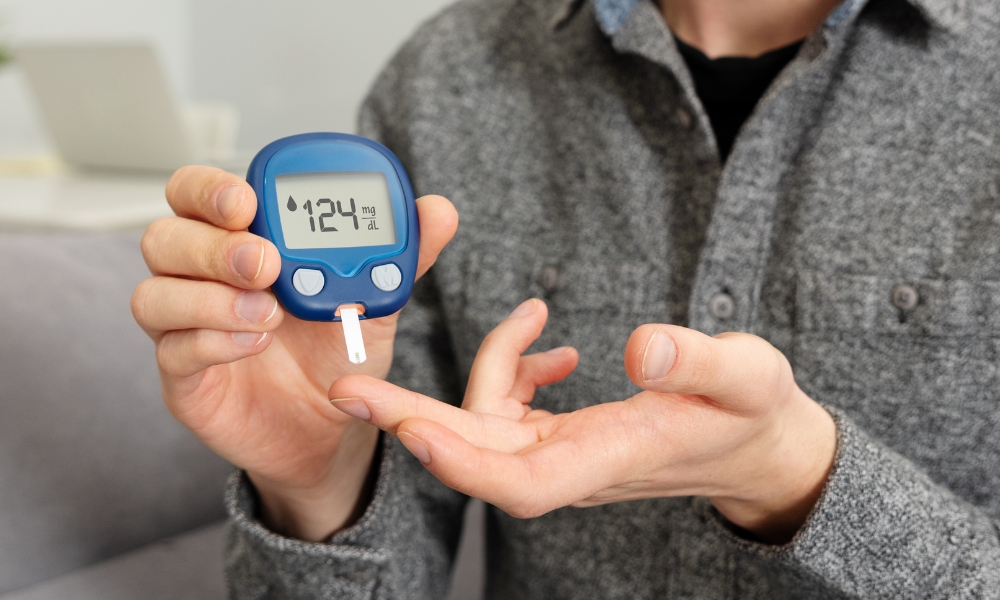
A blood sugar reading of 300 mg/dL can be dangerous if it stays high, keeps rising, or comes with symptoms. Some people may have a temporary high reading after a large meal, missed medication, illness, or stress. However, repeated readings around 300 should not be ignored.
Blood Sugar 300 May Be More Concerning If You Have:
- Nausea or vomiting
- Abdominal pain
- Dry mouth and severe thirst
- Blurred vision
- Weakness or fatigue
- Ketones in urine or blood
- Fever or infection symptoms
- Shortness of breath
- Confusion or dizziness
Many patients ask, “Should I go to the ER if my blood sugar is 300?” If the number stays high despite following your prescribed diabetes plan, or if symptoms are present, urgent medical guidance is recommended. If symptoms are severe, the safest choice may be an emergency room visit.
What Happens If Blood Sugar Reaches 500?
Blood sugar around 500 mg/dL is very high and should be taken seriously. At this level, the body may be losing fluids quickly through frequent urination. Dehydration can worsen the condition and may affect the kidneys, brain, heart, and circulation.
Possible Risks of Blood Sugar Around 500
- Severe dehydration
- Electrolyte imbalance
- Diabetic ketoacidosis
- Hyperosmolar hyperglycemic state
- Confusion or altered mental status
- Weakness, dizziness, or fainting
- Kidney stress
- Worsening infection or illness
If blood sugar reaches 500, especially with vomiting, confusion, breathing problems, abdominal pain, severe weakness, or dehydration, emergency care should be considered. Waiting too long can allow the condition to progress quickly.
Notes:
Blood sugar numbers are important, but symptoms matter just as much. A person with blood sugar 280 and vomiting may be more urgent than someone with a single high reading but no symptoms. If high blood sugar is paired with confusion, trouble breathing, chest pain, dehydration, or inability to keep fluids down, emergency evaluation may be needed.
When Is Low Blood Sugar Dangerous?
Low blood sugar can become dangerous quickly because the brain depends on glucose for energy. A level below 70 mg/dL is generally considered low. A level below 54 mg/dL may be more serious, especially if symptoms are present.
Low Blood Sugar Symptoms
- Shaking or trembling
- Sweating
- Fast heartbeat
- Sudden hunger
- Weakness
- Dizziness
- Headache
- Confusion
- Slurred speech
- Behavior changes
- Seizure
- Loss of consciousness
People often search “what blood sugar is too low,” “when is low blood sugar an emergency,” “can low blood sugar cause seizures,” and “what to do if blood sugar drops suddenly.” Low blood sugar can become life-threatening if the person cannot safely swallow, becomes confused, has a seizure, or passes out. In those cases, emergency help is needed immediately.
Symptoms That Need Emergency Care
Blood sugar emergencies may look different from person to person. Some patients feel very thirsty and tired. Others develop stomach pain, vomiting, confusion, or breathing changes. Some may not know they have diabetes until symptoms become severe.
Go to the ER or Seek Emergency Help for:
- Blood sugar staying at 300 mg/dL or higher with symptoms
- Blood sugar near 500–600 mg/dL or higher
- Vomiting or severe diarrhea
- Unable to keep fluids down
- Moderate or large ketones
- Fruity-smelling breath
- Rapid, deep, or difficult breathing
- Severe weakness or fainting
- Confusion or unusual sleepiness
- Chest pain or severe shortness of breath
- Seizure or loss of consciousness
- Blood sugar below 54 mg/dL with symptoms
Search terms such as “high blood sugar and vomiting,” “blood sugar 400 what to do,” “blood sugar 500 emergency,” “diabetic ketoacidosis symptoms,” and “ER for high blood sugar near me” often come from people who are worried and need clear direction. If symptoms are concerning, emergency care is more appropriate than waiting at home.
What Is Diabetic Ketoacidosis?
Diabetic ketoacidosis, often called DKA, is a serious diabetes emergency. It happens when the body does not have enough insulin and begins breaking down fat for energy. This process creates ketones, which can make the blood acidic.
Common DKA Symptoms
- High blood sugar
- Ketones in urine or blood
- Nausea and vomiting
- Abdominal pain
- Fruity breath
- Rapid or deep breathing
- Severe thirst
- Frequent urination
- Confusion
- Extreme fatigue
DKA can develop quickly, sometimes within hours. It is more common in type 1 diabetes but can also happen in type 2 diabetes under certain conditions, especially during illness, infection, dehydration, or missed medication.
What Is Hyperosmolar Hyperglycemic State?
Hyperosmolar hyperglycemic state, often called HHS, is another dangerous high blood sugar emergency. It is more common in older adults with type 2 diabetes, especially during infection, dehydration, or illness.
Possible HHS Warning Signs
- Extremely high blood sugar
- Severe dehydration
- Confusion
- Weakness
- Vision changes
- Very dry mouth
- Sleepiness
- Seizure in severe cases
HHS may develop more slowly than DKA, but it can be very serious. A person with very high blood sugar and confusion, dehydration, or weakness should be evaluated urgently.
What the ER May Do for Dangerous Blood Sugar
At an emergency room, the medical team may evaluate both the blood sugar number and the reason it became dangerous. The goal is not only to lower the number but also to identify dehydration, infection, ketones, electrolyte problems, kidney strain, or other complications.
Emergency Evaluation May Include:
- Blood glucose testing
- Electrolyte testing
- Kidney function testing
- Ketone testing
- Urine testing
- IV fluids for dehydration
- Insulin treatment when appropriate
- Monitoring of potassium and other electrolytes
- Testing for infection or other triggers
- Heart monitoring if symptoms require it
Patients with chest pain, shortness of breath, fainting, severe weakness, or confusion may need additional emergency testing. High blood sugar can happen along with infections, heart problems, dehydration, stroke-like symptoms, or other medical emergencies.
What Should You Do While Deciding?
If you have diabetes, follow the sick-day and high-blood-sugar plan provided by your doctor. Check your blood sugar again if a reading seems unusual. If your doctor advised ketone testing, check ketones when blood sugar is high or when you are sick.
Do Not Delay Emergency Care If:
- You are vomiting repeatedly
- You cannot drink fluids
- You feel confused or faint
- You have trouble breathing
- Your breath smells fruity
- You have chest pain
- Your blood sugar keeps rising
- You have severe dehydration
- Your symptoms feel different or alarming
A dangerous blood sugar level should never be handled only by guessing online. Search engines, AI tools, and voice assistants can help you learn, but they cannot check your labs, hydration, ketones, electrolytes, heart rhythm, or kidney function.
Related Emergency Symptoms to Watch
Blood sugar problems may happen together with other serious symptoms. For example, dehydration may occur when high blood sugar causes frequent urination. Chest pain, dizziness, weakness, fast heartbeat, shortness of breath, or confusion may also need emergency evaluation.
Patients may also benefit from learning about related emergency topics such as what are the symptoms of dehydration, when should I go to the ER for high blood pressure, why am I so dizzy all of a sudden, when is shortness of breath an emergency, and warning signs of a stroke.
Emergency Blood Sugar Care in Houston at Heights Emergency Room
If you are experiencing dangerously high blood sugar, severe low blood sugar, diabetic ketoacidosis symptoms, dehydration, vomiting, confusion, weakness, chest pain, or difficulty breathing, Heights Emergency Room is available 24 hours a day to provide immediate emergency evaluation and treatment.
Many patients search online for terms such as “ER for high blood sugar near me,” “blood sugar 500 emergency,” “when should I go to the ER for diabetes,” “dangerous glucose levels,” “emergency room for diabetic symptoms in Houston,” and “24 hour emergency room near Houston Heights.” When symptoms become severe, waiting for an appointment may not be the safest option.
At Heights Emergency Room, experienced emergency physicians provide rapid assessment, laboratory testing, IV fluids, imaging when needed, and emergency treatment for diabetic emergencies and related medical conditions. The goal is to provide prompt, compassionate emergency care for adults and children when every minute matters.
Walk in 24/7 or contact Heights Emergency Room immediately if you are experiencing severe blood sugar symptoms or signs of a diabetic emergency.
Frequently Asked Questions
What blood sugar level is dangerous?
Blood sugar may become dangerous when it is extremely high or low, especially with symptoms. High readings around 300 mg/dL or higher with vomiting, ketones, dehydration, confusion, or breathing problems may require urgent evaluation. Very low blood sugar below 54 mg/dL with symptoms can also be dangerous.
Is blood sugar 300 an emergency?
Blood sugar 300 is not always an emergency by itself, but it can become urgent if it stays high, keeps rising, or comes with symptoms such as vomiting, abdominal pain, dehydration, ketones, confusion, or shortness of breath.
What happens if blood sugar reaches 500?
Blood sugar around 500 is very high and may increase the risk of severe dehydration, electrolyte imbalance, diabetic ketoacidosis, or hyperosmolar crisis. Emergency care should be considered, especially if symptoms are present.
When should I go to the ER for high blood sugar?
Go to the ER or seek emergency help if high blood sugar is combined with vomiting, inability to keep fluids down, ketones, fruity breath, confusion, severe weakness, trouble breathing, chest pain, or signs of dehydration.
Can high blood sugar cause confusion?
Yes. Very high blood sugar can contribute to dehydration and changes in mental status. Confusion, unusual sleepiness, or difficulty staying alert with high blood sugar should be treated seriously.
Can low blood sugar be dangerous?
Yes. Low blood sugar can become dangerous when it causes confusion, weakness, seizure, fainting, or loss of consciousness. A person who cannot safely swallow or respond normally needs emergency help.
What are signs of diabetic ketoacidosis?
Signs may include high blood sugar, ketones, vomiting, abdominal pain, fruity-smelling breath, rapid or deep breathing, severe thirst, frequent urination, weakness, and confusion.
Should I call 911 for blood sugar problems?
Call 911 if the person is unconscious, having a seizure, having trouble breathing, experiencing chest pain, severely confused, or unable to safely drink or respond.
Final Thoughts on Dangerous Blood Sugar Levels
Blood sugar emergencies can develop quickly and should never be ignored. Extremely high blood sugar, severe low blood sugar, dehydration, vomiting, confusion, breathing difficulties, ketones, or loss of consciousness may indicate a serious medical condition requiring immediate attention.
If you are searching for answers to questions like “What level of blood sugar is dangerous?”, “When should I go to the ER for high blood sugar?”, “Is blood sugar 300 dangerous?”, or “What happens if blood sugar reaches 500?”, understanding the warning signs can help you make timely healthcare decisions.
When symptoms become severe or concerning, Heights Emergency Room in Houston is available 24 hours a day to provide emergency medical evaluation, testing, and treatment. Prompt care can help prevent serious complications and support a safer recovery.
Disclaimer: This content is provided for educational purposes only and should not replace professional medical advice, diagnosis, or treatment. If you believe you are experiencing a medical emergency, call 911 or visit the nearest emergency room immediately.
The post What Level of Blood Sugar Is Dangerous? appeared first on Heights Emergency Room.
]]>