The post When Should I Go to the ER for High Blood Pressure? appeared first on Heights Emergency Room.
]]>Many people search online for answers to questions like “when should I go to the ER for high blood pressure,” “what is a hypertensive crisis,” “how high is too high for blood pressure,” and “can high blood pressure cause a stroke?” These are important questions because extremely elevated blood pressure can sometimes damage vital organs, including the brain, heart, kidneys, and blood vessels.
Although a single high reading does not always mean an emergency is occurring, certain blood pressure levels combined with specific symptoms may require urgent medical attention. Understanding the difference between chronic hypertension and a hypertensive emergency can help people make safer healthcare decisions.
Important Note
High blood pressure is often called the “silent killer” because serious complications can sometimes develop before obvious symptoms appear. Learning the warning signs of a hypertensive crisis and understanding when emergency evaluation may be necessary can help prevent potentially life-threatening complications.
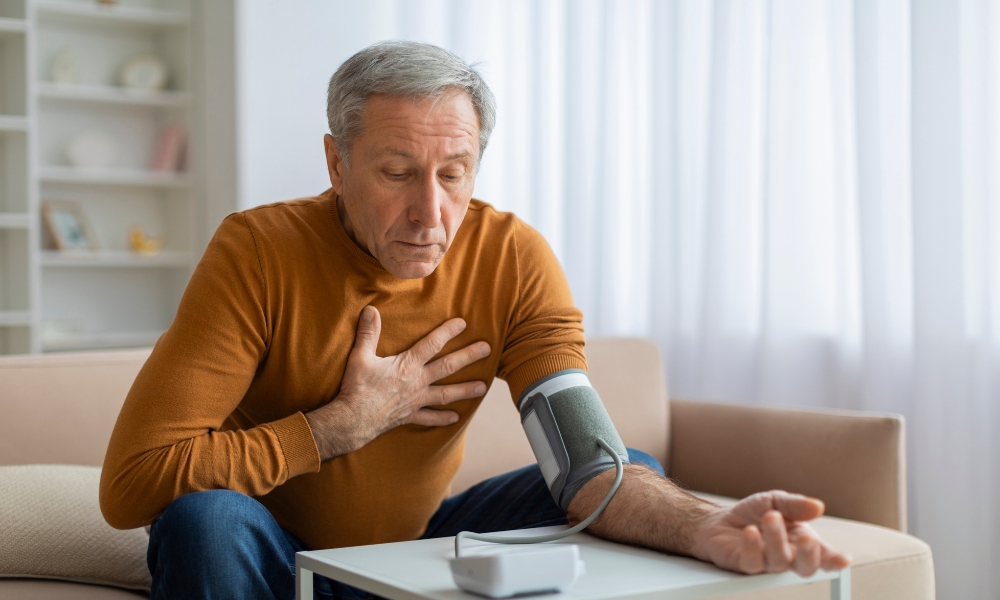
Table of Contents
- What Is High Blood Pressure?
- How High Is Too High for Blood Pressure?
- What Is a Hypertensive Crisis?
- Symptoms of a High Blood Pressure Emergency
- Can High Blood Pressure Cause a Stroke?
- Can High Blood Pressure Cause a Heart Attack?
- When Should You Go to the ER?
- How the ER Evaluates Severe High Blood Pressure
- Treatment for Hypertensive Crisis
- Preventing High Blood Pressure Emergencies
- Emergency Care for High Blood Pressure in Houston
- Frequently Asked Questions
What Is High Blood Pressure?
Blood pressure measures the force of blood pushing against artery walls as the heart pumps blood throughout the body. It is recorded using two numbers.
- Systolic pressure: The top number representing pressure during heart contractions.
- Diastolic pressure: The bottom number representing pressure between heartbeats.
For most adults, a normal blood pressure reading is generally below 120/80 mmHg. Elevated readings above this range may indicate hypertension.
High blood pressure becomes dangerous when increased pressure begins damaging blood vessels and vital organs. Over time, uncontrolled hypertension increases the risk of heart disease, stroke, kidney disease, vision loss, and other serious health complications.
Many people have no symptoms even when blood pressure reaches significantly elevated levels. This is why routine monitoring is important.
How High Is Too High for Blood Pressure?
Not every elevated blood pressure reading requires emergency treatment. However, extremely high numbers deserve careful attention.
General Blood Pressure Categories
- Normal: Less than 120/80 mmHg
- Elevated: 120-129 systolic with less than 80 diastolic
- Stage 1 Hypertension: 130-139 systolic or 80-89 diastolic
- Stage 2 Hypertension: 140/90 mmHg or higher
- Hypertensive Crisis: Above 180/120 mmHg
A blood pressure reading above 180/120 mmHg is often considered a hypertensive crisis. However, the presence or absence of symptoms plays a major role in determining how urgent the situation may be.
Some individuals may experience a temporary elevation caused by stress, anxiety, pain, illness, or physical activity. Others may have dangerously elevated blood pressure that is actively damaging organs.
This distinction is one reason emergency evaluation is sometimes necessary.
What Is a Hypertensive Crisis?
A hypertensive crisis occurs when blood pressure rises to extremely high levels, typically above 180/120 mmHg. Medical professionals generally divide hypertensive crises into two categories.
Hypertensive Urgency
Hypertensive urgency occurs when blood pressure reaches very high levels but there is no evidence of immediate organ damage.
Patients may have:
- Severely elevated readings
- Mild headache
- Anxiety
- No signs of organ injury
Although urgent medical follow-up is important, hypertensive urgency does not always require hospitalization.
Hypertensive Emergency
Hypertensive emergency occurs when severe blood pressure elevation is accompanied by evidence of organ damage.
Organs that may be affected include:
- Brain
- Heart
- Kidneys
- Eyes
- Major blood vessels
This condition requires immediate medical treatment because delaying care can result in permanent injury or death.
Symptoms of a High Blood Pressure Emergency
High blood pressure alone is not always an emergency. However, certain symptoms occurring alongside severe hypertension may indicate ongoing organ damage.
Warning signs may include:
- Severe headache
- Sudden vision changes
- Blurred vision
- Double vision
- Chest pain
- Shortness of breath
- Confusion
- Difficulty speaking
- Weakness on one side of the body
- Numbness
- Dizziness
- Seizures
- Loss of consciousness
Symptoms involving the brain, heart, or lungs are particularly concerning because they may indicate life-threatening complications.
Patients experiencing severe chest discomfort may also benefit from learning more about emergency evaluation for chest pain and when chest pain requires emergency care.
Can High Blood Pressure Cause a Stroke?
Yes. High blood pressure is one of the most significant risk factors for stroke.
Over time, elevated pressure weakens blood vessels and increases the likelihood of blockages or ruptures within the brain. When blood flow to the brain is interrupted, a stroke can occur.
Stroke symptoms may include:
- Sudden facial drooping
- Arm weakness
- Speech difficulty
- Confusion
- Loss of coordination
- Vision changes
- Sudden severe headache
Anyone experiencing possible stroke symptoms should seek immediate emergency care.
Additional information is available through stroke treatment and emergency evaluation and emergency care for stroke symptoms.
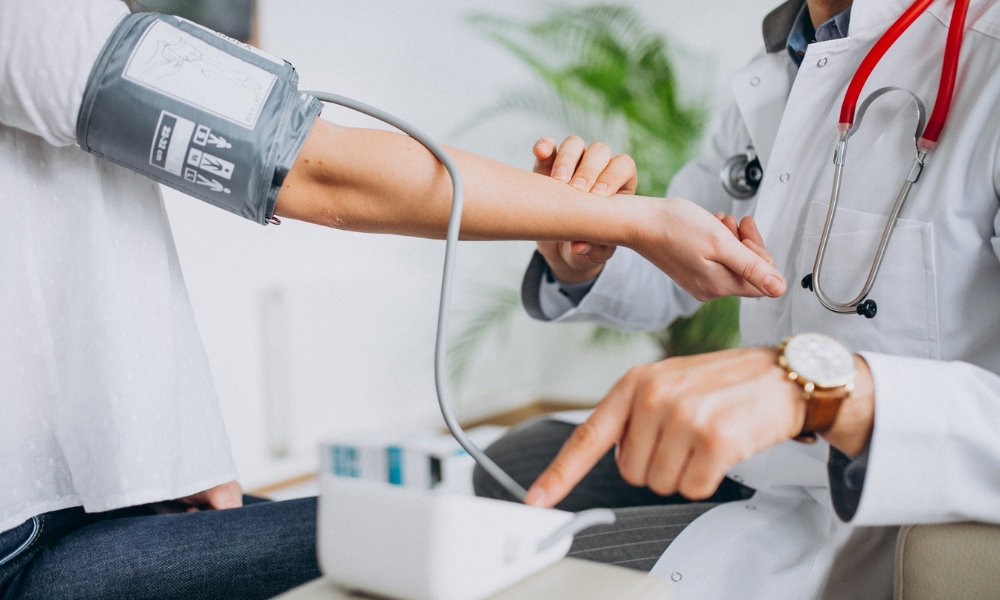
Can High Blood Pressure Cause a Heart Attack?
Severely elevated blood pressure places significant strain on the heart and blood vessels.
Over time, uncontrolled hypertension contributes to coronary artery disease, enlargement of the heart, heart failure, and heart attacks.
In some cases, a hypertensive emergency can increase cardiac workload so dramatically that heart-related symptoms begin developing.
Warning signs may include:
- Chest pressure
- Chest pain
- Shortness of breath
- Rapid heartbeat
- Sweating
- Nausea
- Pain spreading into the jaw, shoulder, or arm
Heart attack symptoms can overlap with symptoms of severe hypertension, making emergency evaluation especially important.
When Should You Go to the ER for High Blood Pressure?
One of the most common questions patients ask is whether a high blood pressure reading alone is enough to justify an emergency room visit.
The answer depends on both the blood pressure level and the symptoms that accompany it.
A reading above 180/120 mmHg should always be taken seriously. If the reading remains elevated after several minutes of rest, it may represent a hypertensive crisis. However, the presence of symptoms often determines how urgently treatment is needed.
Seek Emergency Care Immediately If High Blood Pressure Is Accompanied By:
- Chest pain
- Shortness of breath
- Sudden vision loss
- Blurred or double vision
- Confusion
- Difficulty speaking
- Severe headache
- Weakness or numbness
- Seizures
- Loss of consciousness
- Sudden difficulty walking
- Signs of stroke
These symptoms may indicate that elevated blood pressure is already affecting vital organs and requires immediate medical intervention.
Patients experiencing breathing difficulties alongside elevated blood pressure should also review information regarding emergency care for severe breathing difficulties and acute breathing emergencies.
If uncertainty exists about whether symptoms are serious, it is generally safer to seek prompt medical evaluation rather than delay treatment.
Important Note
Not every elevated blood pressure reading represents an emergency. However, severe hypertension combined with symptoms affecting the brain, heart, lungs, or vision should never be ignored. Early evaluation often allows physicians to identify complications before permanent damage occurs.
What Happens If a Hypertensive Crisis Is Ignored?
Ignoring a hypertensive emergency can allow ongoing organ damage to progress rapidly.
Extremely elevated blood pressure places tremendous strain on blood vessels throughout the body. If the pressure remains uncontrolled, complications may develop involving multiple organ systems.
Possible Complications Include:
- Stroke
- Heart attack
- Heart failure
- Kidney failure
- Pulmonary edema
- Aortic dissection
- Permanent vision loss
- Seizures
- Coma
Some complications can develop within hours. Others may worsen gradually over days if treatment is delayed.
Because symptoms may not always reflect the severity of organ damage, physicians often rely on diagnostic testing to assess the true risk level.
Can Anxiety Cause Extremely High Blood Pressure?
Stress and anxiety can temporarily elevate blood pressure readings, sometimes significantly.
Many patients become understandably alarmed when they see a high number on a home blood pressure monitor. Anxiety may then contribute to an additional increase in blood pressure, creating a cycle that further elevates readings.
However, anxiety alone should not automatically be blamed for severe hypertension.
If blood pressure remains above 180/120 mmHg or symptoms are present, professional evaluation is recommended regardless of whether stress may be contributing.
Medical providers must rule out dangerous conditions before determining that anxiety is the primary cause of elevated readings.
Can High Blood Pressure Cause Vision Problems?
Yes. Extremely high blood pressure can affect the delicate blood vessels within the eyes.
When this occurs, patients may experience:
- Blurred vision
- Double vision
- Partial vision loss
- Sudden visual changes
- Difficulty focusing
Vision changes occurring alongside severe hypertension should be treated as a potential emergency.
Because these symptoms may indicate ongoing vascular damage, prompt evaluation is important.
Can High Blood Pressure Cause Shortness of Breath?
Severe hypertension may contribute to shortness of breath in several ways.
Elevated pressure increases workload on the heart. In some situations, this may lead to fluid accumulation within the lungs, a condition known as pulmonary edema.
Patients experiencing pulmonary edema often report:
- Difficulty breathing
- Rapid breathing
- Shortness of breath when lying down
- Coughing
- Chest tightness
- Worsening symptoms with activity
Breathing difficulties combined with severe hypertension should never be ignored.
Individuals experiencing respiratory symptoms may also find useful information regarding respiratory-related symptoms and emergency evaluation for dizziness or fainting.

How the ER Evaluates Severe High Blood Pressure
When patients arrive at the emergency room with severely elevated blood pressure, physicians focus on determining whether organ damage is occurring.
The evaluation involves much more than simply measuring blood pressure.
Common Emergency Room Assessments Include:
- Repeated blood pressure measurements
- Physical examination
- Neurological evaluation
- Electrocardiogram (EKG)
- Blood tests
- Kidney function testing
- Urine testing
- Chest imaging
- Brain imaging when indicated
These tests help physicians identify complications such as stroke, heart attack, kidney injury, heart failure, or vascular emergencies.
What Is an Aortic Dissection?
An aortic dissection is one of the most dangerous complications associated with uncontrolled high blood pressure.
The aorta is the body’s largest artery. Extremely elevated pressure can sometimes contribute to a tear within the vessel wall.
Symptoms may include:
- Sudden severe chest pain
- Tearing pain in the back
- Shortness of breath
- Weakness
- Loss of consciousness
- Stroke-like symptoms
This condition requires immediate emergency treatment and can become life-threatening within a very short period of time.
Treatment for Hypertensive Crisis
Treatment depends on whether the patient is experiencing hypertensive urgency or hypertensive emergency.
The goal is not simply to lower blood pressure quickly. In fact, reducing blood pressure too rapidly can sometimes be harmful.
Instead, physicians carefully lower blood pressure while monitoring organ function.
Treatment May Include:
- Intravenous medications
- Oral blood pressure medications
- Continuous monitoring
- Cardiac monitoring
- Oxygen therapy
- Treatment of underlying conditions
- Stroke management if necessary
- Heart attack treatment if indicated
Every treatment plan is individualized based on symptoms, underlying medical conditions, and evidence of organ involvement.
What Should You Do While Waiting for Medical Care?
If a blood pressure reading is unexpectedly high, it is reasonable to sit quietly and recheck it after several minutes. Sometimes readings improve after resting and reducing stress.
However, symptoms should always guide decision-making.
If chest pain, shortness of breath, confusion, weakness, severe headache, vision changes, or stroke-like symptoms are present, emergency evaluation should not be delayed while repeatedly checking blood pressure.
Patients should continue taking prescribed medications unless specifically instructed otherwise by their healthcare provider.
Taking extra doses of medication without medical guidance may sometimes lower blood pressure too quickly and create additional risks.
Who Is Most at Risk for a Hypertensive Emergency?
Although a hypertensive crisis can affect almost anyone, certain individuals face a higher risk.
Risk Factors Include:
- Long-standing high blood pressure
- Poorly controlled hypertension
- Kidney disease
- Diabetes
- Heart disease
- Smoking
- Obesity
- Advanced age
- Medication noncompliance
- Illegal stimulant use
- Pregnancy-related hypertension
Patients with multiple risk factors should monitor blood pressure regularly and maintain ongoing communication with their healthcare providers.
How Can High Blood Pressure Be Prevented From Becoming an Emergency?
The best way to avoid hypertensive emergencies is through consistent blood pressure management.
Many emergencies occur after months or years of uncontrolled hypertension.
Regular monitoring allows patients and physicians to identify problems early before dangerous complications develop.
Strategies That Help Lower Risk Include:
- Taking medications as prescribed
- Attending regular medical appointments
- Reducing sodium intake
- Maintaining a healthy weight
- Regular physical activity
- Avoiding tobacco products
- Limiting excessive alcohol consumption
- Managing stress
- Controlling diabetes and kidney disease
While these strategies help reduce long-term risk, they should never replace emergency evaluation when severe symptoms are present.
Important Note
Many individuals feel completely normal despite dangerously elevated blood pressure. Others experience symptoms that initially seem mild but later prove to be signs of serious organ involvement. Because hypertension can be unpredictable, severe readings combined with concerning symptoms deserve prompt medical attention rather than observation at home.
Related Emergency Symptoms That May Occur Alongside High Blood Pressure
Severe hypertension may occur together with symptoms affecting several body systems.
Patients researching high blood pressure emergencies often also search for symptoms involving the brain, heart, lungs, or circulation.
Additional resources that may be helpful include:
- stroke symptoms and emergency stroke care
- when to seek emergency treatment for stroke symptoms
- causes of chest pain and emergency evaluation
- emergency room care for chest pain in Houston
- severe headaches requiring emergency care
Understanding how symptoms connect can help patients recognize when immediate evaluation is needed.
Emergency High Blood Pressure Treatment at Heights Emergency Room
When severe hypertension is accompanied by chest pain, shortness of breath, neurological symptoms, confusion, vision changes, severe headaches, or other concerning signs, immediate medical evaluation may be necessary.
Many patients search online for phrases such as “high blood pressure emergency,” “hypertensive crisis symptoms,” “when should I go to the ER for high blood pressure,” “blood pressure 180 over 120 emergency,” and “ER for high blood pressure near me.”
Heights Emergency Room provides 24/7 emergency evaluation and treatment for hypertensive emergencies and other serious medical conditions affecting adults and children throughout the Houston area.
Emergency physicians can rapidly assess blood pressure, evaluate for signs of organ damage, perform diagnostic testing, and initiate treatment when necessary.
Services available may include laboratory testing, cardiac monitoring, imaging studies, intravenous medications, stroke evaluations, and treatment for complications related to severe hypertension.
Patients experiencing symptoms of hypertensive crisis should seek immediate medical attention rather than attempting to manage severe symptoms at home.
Frequently Asked Questions
What blood pressure is considered a hypertensive crisis?
A hypertensive crisis generally refers to blood pressure readings of 180/120 mmHg or higher. Emergency evaluation may be needed, particularly when symptoms such as chest pain, shortness of breath, severe headache, confusion, or stroke-like symptoms are present.
Should I go to the ER if my blood pressure is 180 over 120?
If blood pressure remains at or above 180/120 mmHg and symptoms are present, emergency care should be sought immediately. Even without symptoms, prompt medical guidance is recommended.
Can high blood pressure cause chest pain?
Yes. Severe hypertension may contribute to chest discomfort and can sometimes occur alongside serious cardiac conditions that require emergency evaluation.
When should I call 911 for high blood pressure?
Call 911 if high blood pressure is accompanied by chest pain, difficulty breathing, stroke symptoms, confusion, loss of consciousness, seizures, or sudden neurological changes.
Can anxiety cause blood pressure to rise?
Yes. Anxiety and stress can temporarily increase blood pressure. However, severe readings should never automatically be attributed to anxiety without medical evaluation.
Can high blood pressure cause shortness of breath?
Yes. Severe hypertension can sometimes lead to heart-related complications that cause breathing difficulties or fluid buildup in the lungs.
What symptoms suggest organ damage from high blood pressure?
Symptoms such as chest pain, shortness of breath, severe headache, confusion, vision changes, weakness, numbness, and stroke-like symptoms may indicate organ involvement and require urgent medical care.
How is hypertensive crisis treated in the ER?
Treatment may include monitoring, laboratory testing, imaging studies, intravenous medications, cardiac evaluation, and management of any underlying complications affecting the heart, brain, kidneys, or blood vessels.
Final Thoughts
High blood pressure is often called a silent condition because it may not cause noticeable symptoms until complications develop. While many elevated readings can be managed through routine medical care, extremely high blood pressure combined with warning signs should never be ignored.
Questions such as “When should I go to the ER for high blood pressure?”, “What is a hypertensive crisis?”, and “Is blood pressure 180/120 an emergency?” are important because timely treatment can help prevent stroke, heart attack, kidney damage, and other serious complications.
If severe hypertension occurs alongside chest pain, shortness of breath, neurological symptoms, confusion, severe headache, or vision changes, emergency evaluation may be necessary.
Disclaimer: This content is intended for educational purposes only and should not replace professional medical advice, diagnosis, or treatment. If symptoms suggest a medical emergency, call 911 or seek emergency medical care immediately.
The post When Should I Go to the ER for High Blood Pressure? appeared first on Heights Emergency Room.
]]>