The post Why Does My Chest Hurt After Eating? appeared first on Heights Emergency Room.
]]>The truth is that chest pain after eating can have several possible causes. Some are relatively common digestive issues such as acid reflux or heartburn, while others may involve the esophagus, gallbladder, lungs, or heart. Because chest pain can occasionally signal a serious medical emergency, understanding the differences between common digestive discomfort and dangerous symptoms is important.
Although many cases of chest discomfort after meals are related to gastrointestinal conditions, chest pain should never be automatically dismissed. Certain symptoms require prompt medical evaluation, especially when chest pain is severe, sudden, or accompanied by shortness of breath, dizziness, sweating, or pain spreading to the jaw, neck, or arm.
Important Note
Chest discomfort after eating may be caused by something as common as acid reflux, but it can also resemble symptoms associated with more serious medical conditions. Understanding the possible causes and recognizing emergency warning signs can help people make informed healthcare decisions and seek care when necessary.
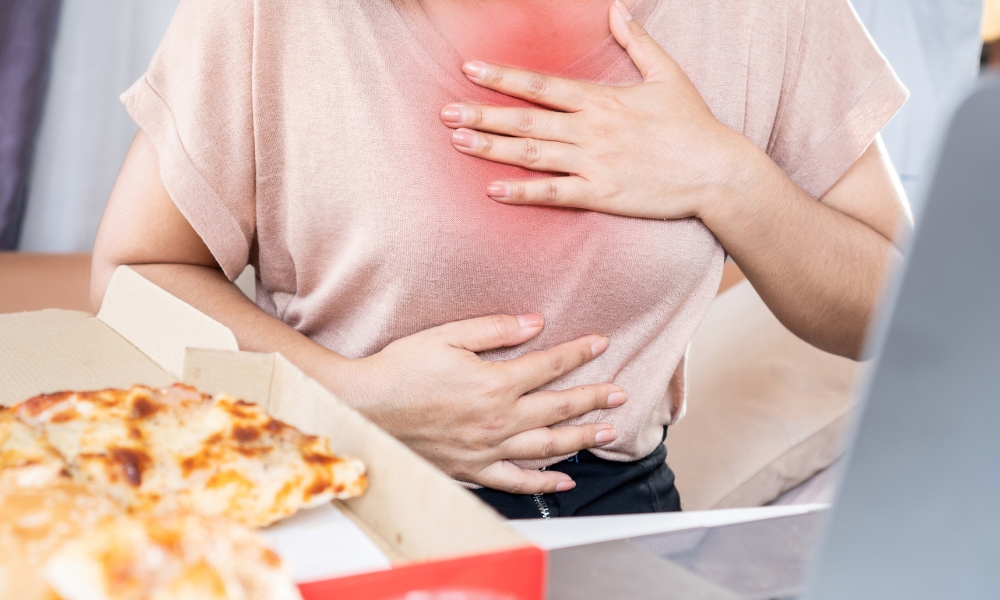
Table of Contents
- Why Does Chest Pain Happen After Eating?
- Can Heartburn Cause Chest Pain?
- GERD and Chest Discomfort After Meals
- Esophageal Causes of Chest Pain
- Can Gallbladder Problems Cause Chest Pain?
- Foods That Can Trigger Chest Pain After Eating
- Chest Pain After Eating vs Heart Attack Symptoms
- When Is Chest Pain After Eating an Emergency?
- How Doctors Diagnose Chest Pain
- Treatment Options
- Preventing Chest Pain After Meals
- Emergency Chest Pain Care in Houston
- Frequently Asked Questions
Why Does Chest Pain Happen After Eating?
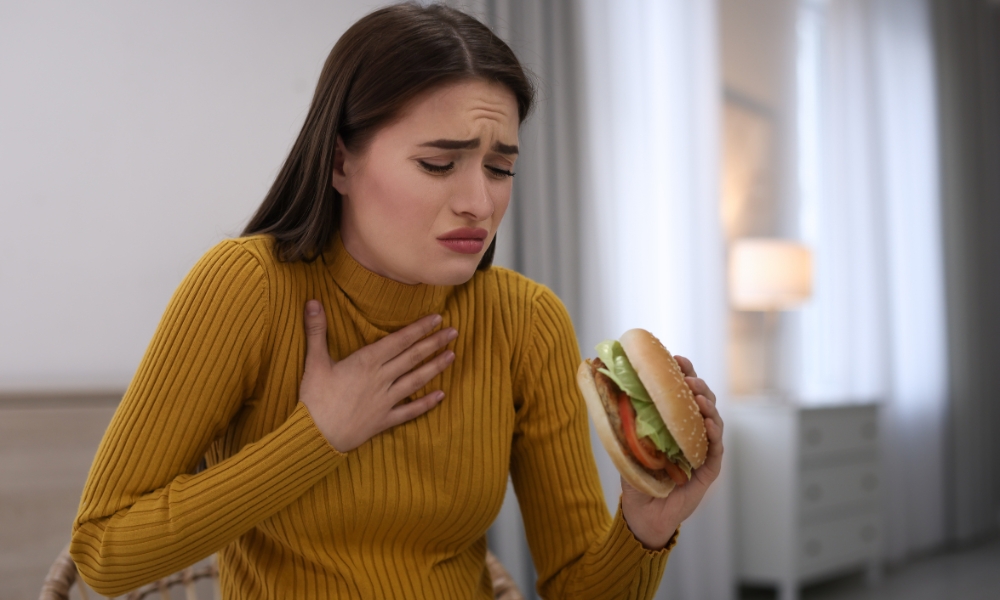
Chest pain after eating occurs for many different reasons. In some cases, the digestive system is responsible. In others, chest discomfort may actually originate from the heart, lungs, muscles, or nearby organs.
The timing of symptoms can provide clues. Pain that appears immediately after eating may suggest acid reflux or esophageal irritation. Pain that develops after consuming fatty foods may point toward gallbladder disease. However, because chest pain symptoms often overlap, medical evaluation is sometimes needed to determine the true cause.
People commonly describe post-meal chest discomfort as:
- A burning sensation behind the breastbone
- Tightness in the chest
- Pressure or heaviness
- Sharp pain when swallowing
- A feeling of food being stuck
- Aching pain in the upper chest
- Pain that worsens when lying down
- Discomfort that improves with antacids
While digestive causes are common, it is important to remember that heart-related chest pain can occasionally occur during or after meals as well.
Can Heartburn Cause Chest Pain?
Yes. Heartburn is one of the most common causes of chest pain after eating.
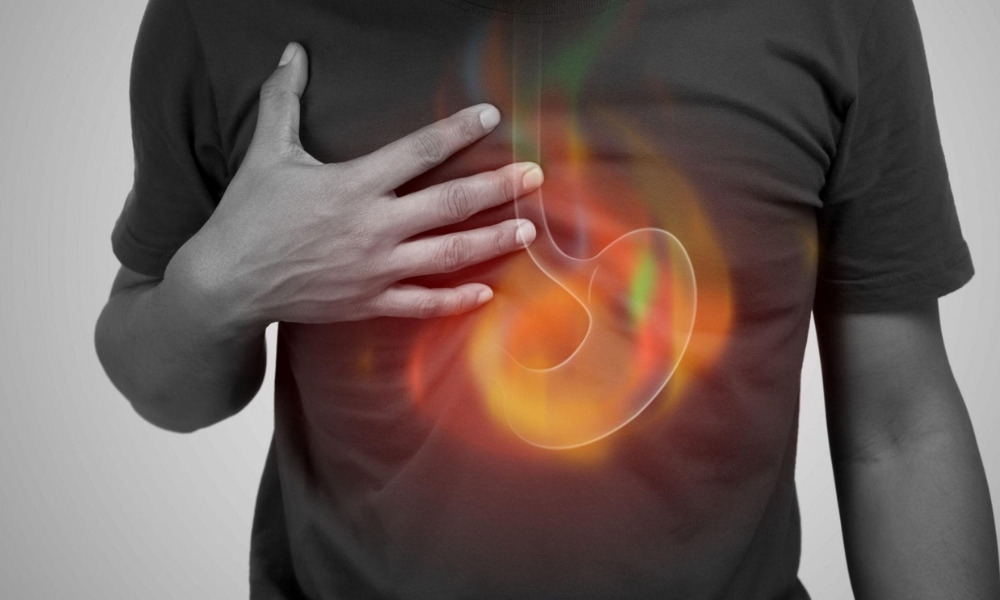
Heartburn occurs when stomach acid flows backward into the esophagus. Because the esophagus runs through the chest, irritation from acid can create a burning sensation that many people mistake for heart pain.
The discomfort may feel intense enough to cause concern, especially when symptoms occur suddenly.
Common Heartburn Symptoms
- Burning chest pain
- Sour taste in the mouth
- Acid regurgitation
- Symptoms worsening after meals
- Discomfort when lying down
- Throat irritation
- Frequent burping
Heartburn-related chest pain often becomes more noticeable after large meals, spicy foods, fatty foods, caffeine, alcohol, or eating close to bedtime.
Although heartburn is usually not dangerous, severe or recurring symptoms should still be evaluated because chronic acid reflux can damage the esophagus over time.
GERD and Chest Discomfort After Meals
Gastroesophageal reflux disease, commonly called GERD, is a chronic form of acid reflux that frequently causes chest discomfort.
People with GERD often experience symptoms multiple times per week, and chest pain after eating may become a recurring problem.
The lower esophageal sphincter normally prevents stomach acid from moving upward. When this valve weakens or relaxes inappropriately, acid can repeatedly irritate the esophagus.
GERD Symptoms Often Include:
- Burning chest pain
- Heartburn after meals
- Difficulty swallowing
- Chronic cough
- Hoarseness
- Sore throat
- Regurgitation of food or acid
- Chest discomfort when lying flat
Many patients who search for “heartburn chest pain” are actually experiencing symptoms related to GERD.
Because GERD symptoms can closely resemble cardiac symptoms, persistent chest pain should always be discussed with a healthcare provider.
Esophageal Causes of Chest Pain
The esophagus itself can produce chest pain that feels surprisingly similar to heart-related discomfort.
Several esophageal conditions may cause pain after meals.
Possible Esophageal Causes Include:
- Esophageal spasms
- Esophagitis
- Difficulty swallowing disorders
- Esophageal ulcers
- Food impaction
- Severe acid irritation
Esophageal spasms are particularly notable because they can create sudden, intense chest pain that many people describe as frightening.
Some patients experience severe squeezing sensations that mimic cardiac symptoms.
Difficulty swallowing, pain when swallowing, or a feeling that food becomes stuck may point toward an esophageal source.
Can Gallbladder Problems Cause Chest Pain?
Yes. Gallbladder disease can occasionally cause pain that spreads into the chest, upper abdomen, shoulder, or back.
The gallbladder stores bile, which helps digest fats. When gallstones or inflammation interfere with normal function, symptoms often occur after eating fatty foods.
Gallbladder pain typically begins in the upper abdomen but may radiate upward, creating confusion about the source of discomfort.
Gallbladder Symptoms May Include:
- Pain after fatty meals
- Upper abdominal pain
- Nausea
- Vomiting
- Pain between the shoulder blades
- Chest discomfort
- Bloating
Patients experiencing upper abdominal pain alongside chest symptoms may also find useful information regarding emergency evaluation for abdominal pain and severe stomach pain requiring emergency care.
Foods That Can Trigger Chest Pain After Eating
Certain foods are more likely to trigger acid reflux, heartburn, and digestive-related chest discomfort.
Identifying dietary triggers can help reduce symptoms for some individuals.
Common Trigger Foods Include:
- Spicy foods
- Tomato-based products
- Citrus fruits
- Chocolate
- Coffee
- Caffeinated beverages
- Alcohol
- Peppermint
- Fatty foods
- Fried foods
Large meals can also increase pressure inside the stomach, making reflux symptoms more likely.
Many people notice improvement when they eat smaller portions and avoid lying down immediately after eating.
Chest Pain After Eating vs Heart Attack Symptoms
One of the most important questions people ask is whether chest pain after eating could actually be a heart attack.
Unfortunately, distinguishing digestive chest pain from cardiac chest pain is not always straightforward.
Some heart attacks produce symptoms that closely resemble indigestion or severe heartburn.
For this reason, chest pain should never be automatically assumed to be caused by acid reflux.
Heart-related chest pain may present as pressure, squeezing, heaviness, fullness, or discomfort that spreads beyond the chest.
Individuals experiencing chest pain may also benefit from reading about emergency evaluation for chest pain and when chest pain requires emergency room care.
When Is Chest Pain After Eating an Emergency?
Most cases of chest pain after eating are related to digestive conditions, but there are situations where emergency evaluation becomes extremely important. Chest pain can sometimes be the first warning sign of a heart attack, pulmonary embolism, aortic emergency, or another potentially life-threatening condition.
Because symptoms can overlap, medical professionals often recommend erring on the side of caution when chest pain is severe, unusual, or accompanied by other concerning symptoms.
Emergency warning signs may include:
- Chest pressure or squeezing that does not improve
- Pain spreading to the jaw, neck, shoulder, or arm
- Sudden shortness of breath
- Severe sweating
- Dizziness or fainting
- Confusion
- Rapid heartbeat
- Bluish lips or skin
- Pain that becomes progressively worse
- Severe nausea or vomiting
Some people experiencing a heart attack never describe their symptoms as “pain.” Instead, they report pressure, heaviness, fullness, burning, or an uncomfortable sensation that simply feels wrong.
Women, older adults, and individuals with diabetes may experience less typical symptoms. For them, shortness of breath, fatigue, nausea, dizziness, or upper abdominal discomfort may be the primary warning signs.
If chest pain occurs together with severe breathing problems, immediate evaluation may be necessary. Patients can learn more about emergency care for severe breathing difficulties and acute breathing emergencies requiring ER treatment.
Important Note
Chest pain after eating does not automatically mean a heart attack is occurring. Many cases are related to digestive conditions such as acid reflux or esophageal irritation. However, chest pain should never be self-diagnosed when symptoms are severe, persistent, or accompanied by shortness of breath, fainting, sweating, or pain radiating to other parts of the body. Professional evaluation remains the safest approach when symptoms are concerning.
How Doctors Diagnose Chest Pain After Eating
When someone seeks medical care for chest pain after meals, healthcare providers focus on identifying the source of the pain while ruling out potentially dangerous conditions.
The evaluation begins with a detailed history. Doctors often ask questions about:
- When symptoms started
- How long the pain lasts
- Whether certain foods trigger symptoms
- The location of discomfort
- Associated symptoms
- Personal cardiac history
- Family history of heart disease
- Recent illnesses or infections
Because chest pain can originate from multiple organ systems, several diagnostic tests may be considered.
Common Diagnostic Tests
- Physical examination
- Electrocardiogram (EKG)
- Blood testing
- Chest X-ray
- Cardiac enzyme testing
- CT imaging when necessary
- Ultrasound studies
- Endoscopy for gastrointestinal conditions
- Stress testing in selected patients
The goal is to determine whether symptoms stem from the heart, digestive tract, lungs, gallbladder, muscles, or another source.
In emergency settings, doctors typically prioritize ruling out serious cardiac and pulmonary conditions first.
Can Anxiety Cause Chest Pain After Eating?
Yes. Anxiety can sometimes contribute to chest discomfort after meals.
Some individuals experience increased anxiety when digestive symptoms occur, which may intensify awareness of chest sensations. Others may develop chest tightness as part of a stress response.
Anxiety-related chest pain often overlaps with symptoms caused by acid reflux, making diagnosis challenging without proper evaluation.
However, chest pain should never automatically be attributed to anxiety until more serious causes have been ruled out.
This is especially important when symptoms are new, severe, recurring, or associated with shortness of breath.
Can Gas Cause Chest Pain After Eating?
Gas trapped within the digestive tract can occasionally create surprisingly uncomfortable chest sensations.
As gas accumulates in the stomach or upper intestines, pressure may develop beneath the diaphragm. Some individuals experience sharp discomfort, fullness, or pain that seems to originate from the chest.
Gas-related discomfort may be accompanied by:
- Bloating
- Belching
- Abdominal pressure
- Upper abdominal discomfort
- Symptoms improving after passing gas
Although gas is generally harmless, it can be difficult to distinguish from more serious causes of chest pain without proper assessment.
Could a Pulmonary Embolism Cause Chest Pain After Eating?
A pulmonary embolism occurs when a blood clot blocks blood flow within the lungs. While symptoms are not directly caused by eating, some individuals notice chest discomfort during routine activities such as meals.
Pulmonary embolism symptoms may include:
- Sudden chest pain
- Shortness of breath
- Rapid heart rate
- Dizziness
- Coughing
- Coughing up blood
- Fainting
Because pulmonary embolism can become life-threatening, these symptoms should never be ignored.
Patients concerned about blood clot symptoms may also find helpful information regarding emergency care for stroke-related symptoms and other vascular emergencies.
Treatment Options for Chest Pain After Eating
Treatment depends entirely on the underlying cause.
For digestive causes, lifestyle changes and medications may significantly improve symptoms. For cardiac causes, treatment may involve emergency interventions. Gallbladder disease, infections, or esophageal disorders may require their own specialized treatments.
Acid Reflux and GERD
- Dietary modifications
- Avoiding trigger foods
- Weight management when appropriate
- Eating smaller meals
- Avoiding meals before bedtime
- Antacids
- Acid-reducing medications
Gallbladder Conditions
- Dietary adjustments
- Pain management
- Imaging evaluation
- Surgical consultation when necessary
Cardiac Causes
- Emergency cardiac evaluation
- Medication therapy
- Monitoring
- Advanced cardiac procedures when indicated
The correct treatment depends on obtaining an accurate diagnosis rather than assuming the cause based on symptoms alone.
Preventing Chest Pain After Meals
Many people can reduce episodes of chest discomfort by making simple adjustments to eating habits and lifestyle factors.
Helpful strategies may include:
- Eating smaller meals
- Avoiding overeating
- Limiting fatty foods
- Reducing spicy food intake
- Avoiding excessive alcohol
- Reducing caffeine consumption
- Maintaining a healthy weight
- Not lying down immediately after eating
- Managing stress levels
For individuals with chronic GERD, consistent management often helps reduce both reflux symptoms and associated chest discomfort.
However, recurring chest pain should still be evaluated to ensure another medical condition is not being overlooked.
Emergency Chest Pain Care in Houston
Emergency Evaluation for Chest Pain at Heights Emergency Room
Chest pain after eating is often caused by digestive conditions such as acid reflux, heartburn, GERD, or esophageal irritation. However, chest discomfort can sometimes indicate a much more serious condition involving the heart, lungs, blood vessels, or other vital organs.
At Heights Emergency Room, experienced emergency physicians evaluate chest pain symptoms 24 hours a day. Whether symptoms are related to digestive issues, cardiac concerns, breathing problems, or another medical condition, rapid testing and treatment are available when immediate answers matter.
Patients frequently search for phrases such as “ER for chest pain near me,” “heartburn or heart attack,” “when should I go to the ER for chest pain,” “chest pain after eating emergency,” and “24-hour emergency room for chest pain in Houston.” When symptoms are severe, worsening, or accompanied by warning signs, emergency evaluation may be the safest choice.
Emergency diagnostic services may include cardiac monitoring, laboratory testing, EKGs, imaging studies, and physician evaluation to help identify the cause of symptoms quickly and accurately.
If chest pain is severe, sudden, associated with shortness of breath, fainting, sweating, dizziness, or pain spreading to the jaw, neck, shoulder, or arm, immediate medical evaluation is strongly recommended.
Related Emergency Symptoms That Should Not Be Ignored
Chest pain after eating sometimes occurs alongside other symptoms that deserve careful attention.
Individuals experiencing chest discomfort may also develop symptoms such as:
- Shortness of breath
- Dizziness
- Weakness
- Rapid heartbeat
- Nausea
- Vomiting
- Abdominal pain
- Difficulty swallowing
- Persistent cough
- Fainting episodes
Depending on the symptoms involved, additional emergency resources may be helpful:
- Chest Pain Emergency Evaluation
- Severe Breathing Difficulties Emergency Care
- Emergency Care for Abdominal Pain
- Severe Stomach Pain Emergency Evaluation
- Emergency Care for Fainting Episodes
Recognizing the bigger picture often helps determine whether symptoms are likely related to a minor digestive issue or a condition requiring urgent medical attention.
Frequently Asked Questions
Why does my chest hurt after eating?
Chest pain after eating is commonly caused by acid reflux, heartburn, GERD, esophageal irritation, gas, or gallbladder problems. In some cases, however, chest pain may be related to heart or lung conditions that require prompt medical evaluation.
Can heartburn feel like a heart attack?
Yes. Heartburn can sometimes create a burning or pressure-like sensation in the chest that feels similar to cardiac chest pain. Because symptoms can overlap, severe or unusual chest pain should not be self-diagnosed.
Is chest pain after eating always caused by acid reflux?
No. Although acid reflux is one of the most common causes, chest pain after meals may also result from esophageal disorders, gallbladder disease, muscle strain, anxiety, pulmonary conditions, or cardiac problems.
When should I go to the ER for chest pain after eating?
Emergency evaluation is recommended when chest pain is severe, persistent, accompanied by shortness of breath, fainting, sweating, dizziness, confusion, or pain spreading to the jaw, neck, shoulder, or arm.
Can GERD cause chest pressure?
Yes. GERD can cause pressure, burning, tightness, or discomfort in the chest due to repeated exposure of the esophagus to stomach acid.
Can gallbladder disease cause chest pain after meals?
Yes. Gallbladder attacks frequently occur after fatty meals and may cause upper abdominal pain that radiates into the chest, back, or shoulder.
Why does chest pain get worse when lying down after eating?
Lying down can make acid reflux worse by allowing stomach acid to move more easily into the esophagus. This often increases heartburn and chest discomfort.
Can anxiety cause chest pain after meals?
Anxiety can contribute to chest tightness, discomfort, and heightened awareness of bodily sensations. However, serious causes of chest pain should always be ruled out before symptoms are attributed to anxiety.
What foods most commonly trigger heartburn chest pain?
Spicy foods, fried foods, fatty meals, caffeine, alcohol, chocolate, citrus fruits, and tomato-based products are among the most common triggers.
Can chest pain after eating be a sign of a heart attack?
Yes. Some heart attacks present with symptoms that resemble indigestion or severe heartburn. Chest pressure, shortness of breath, sweating, nausea, or pain radiating to the arm or jaw should be treated as potential emergency warning signs.
Final Thoughts on Chest Pain After Eating
Chest pain after meals can be uncomfortable, frightening, and confusing. While many cases are caused by heartburn, GERD, acid reflux, or digestive conditions, chest pain should never be dismissed without considering more serious possibilities.
Understanding the differences between common digestive symptoms and emergency warning signs can help individuals make informed decisions about their health. Symptoms such as severe chest pressure, difficulty breathing, dizziness, fainting, sweating, or pain radiating beyond the chest deserve immediate medical attention.
If questions such as “why does my chest hurt after eating,” “can heartburn cause chest pain,” or “when should I go to the ER for shortness of breath and chest discomfort” have prompted concern, a professional medical evaluation can provide clarity and peace of mind.
At Heights Emergency Room, emergency physicians are available 24 hours a day to evaluate chest pain, breathing difficulties, cardiac symptoms, digestive emergencies, and other urgent medical concerns. Prompt evaluation can help identify serious conditions early and support better outcomes.
Disclaimer: This article is intended for educational purposes only and should not replace professional medical advice, diagnosis, or treatment. Anyone experiencing severe chest pain, shortness of breath, fainting, or symptoms of a medical emergency should call 911 or seek emergency medical care immediately.
The post Why Does My Chest Hurt After Eating? appeared first on Heights Emergency Room.
]]>The post What Causes Chest Pain on the Left Side? appeared first on Heights Emergency Room.
]]>A sharp pain that lasts only a few seconds may have a completely different cause than a crushing pressure that spreads into the arm or jaw. Some individuals notice discomfort when taking a deep breath. Others experience chest tightness after eating, during exercise, or during periods of intense emotional stress. Because the chest contains the heart, lungs, major blood vessels, muscles, ribs, nerves, and part of the digestive system, identifying the exact source of pain is not always straightforward.
Many people search questions such as “what causes chest pain on the left side,” “why does my left chest hurt,” “is left side chest pain always a heart attack,” and “when should I go to the ER for chest pain.” Understanding the potential causes and warning signs can help people recognize when symptoms may require emergency evaluation.
Table of Contents
- Important Information Before Reading
- What Causes Chest Pain on the Left Side?
- Heart-Related Causes of Left Side Chest Pain
- Could It Be a Heart Attack?
- Non-Heart Causes of Left Side Chest Pain
- Muscle and Rib Pain
- Lung-Related Causes
- Digestive Causes of Chest Pain
- Can Anxiety Cause Left Side Chest Pain?
- When Should Chest Pain Be Taken Seriously?
- How Doctors Diagnose Left Side Chest Pain
- Treatment Options
- Emergency Chest Pain Care in Houston
- Frequently Asked Questions
Important Note
Chest pain can range from a mild and temporary discomfort to a symptom of a life-threatening emergency. Understanding the possible causes, associated symptoms, and warning signs can help individuals recognize when immediate medical attention may be necessary. Early recognition of serious symptoms may reduce the risk of complications and improve treatment outcomes.
What Causes Chest Pain on the Left Side?
The most direct answer is that left side chest pain can originate from the heart, lungs, digestive system, muscles, ribs, nerves, or even emotional stress. Because so many structures are located in or near the chest, the sensation of pain may come from multiple sources.
Some causes are considered medical emergencies. Others may cause significant discomfort but are not immediately dangerous. The challenge is that symptoms sometimes overlap. A heart attack can cause pressure, tightness, or burning sensations. Acid reflux can create a similar burning feeling. Muscle strain may feel sharp and localized, while anxiety can create chest tightness that mimics more serious conditions.
This overlap is one reason emergency physicians do not rely on symptoms alone when evaluating chest pain. The location, timing, severity, associated symptoms, medical history, and diagnostic testing all help determine the underlying cause.
Heart-Related Causes of Left Side Chest Pain
Whenever someone experiences pain on the left side of the chest, healthcare providers carefully consider heart-related causes first. While not every episode of chest pain is cardiac in nature, ruling out potentially dangerous heart conditions is a priority.
The heart sits slightly left of center in the chest, making cardiac pain one of the most important considerations. Heart-related chest pain often develops because the heart muscle is not receiving enough oxygen-rich blood or because inflammation affects structures surrounding the heart.
Coronary Artery Disease
Coronary artery disease occurs when plaque builds up inside the arteries that supply blood to the heart. As these arteries narrow, blood flow may become restricted, especially during physical activity or emotional stress.
People often describe the discomfort as pressure, squeezing, heaviness, or tightness rather than a sharp pain. The sensation may spread into the left arm, shoulder, neck, jaw, or upper back. Some individuals also experience shortness of breath, nausea, dizziness, or unusual fatigue.
Angina
Angina is chest discomfort caused by reduced blood flow to the heart. It is not a disease itself but rather a symptom of underlying heart problems. Angina frequently appears during exercise, emotional stress, or other situations that increase the heart’s workload.
Unlike a heart attack, angina often improves with rest. However, worsening or unstable angina should never be ignored because it may indicate an increased risk of a future heart attack.
Pericarditis
Pericarditis involves inflammation of the sac surrounding the heart. This condition can produce sharp chest pain that sometimes worsens when lying down and improves when sitting forward.
The pain may feel different from typical heart attack symptoms, but medical evaluation is still important because inflammation around the heart can sometimes lead to complications.
Myocarditis
Myocarditis is inflammation of the heart muscle itself. Viral infections are among the more common causes, although other medical conditions may contribute.
Symptoms can include chest pain, shortness of breath, fatigue, irregular heart rhythms, and reduced exercise tolerance. Because myocarditis affects the heart directly, professional evaluation is essential whenever symptoms raise concern.
Could It Be a Heart Attack?
One of the most common reasons people search for information about left side chest pain is concern about a possible heart attack. While not all chest pain indicates a heart attack, this possibility should always be considered, particularly when symptoms are severe, persistent, or accompanied by other warning signs.
A heart attack occurs when blood flow to part of the heart muscle becomes blocked. Without prompt treatment, heart tissue can become damaged.
Common Heart Attack Symptoms
Heart attack symptoms can vary from person to person. Some individuals experience the classic crushing chest pressure often portrayed in movies. Others notice more subtle symptoms.
- Pressure, squeezing, or fullness in the chest
- Pain spreading to the left arm, shoulder, neck, jaw, or back
- Shortness of breath
- Cold sweats
- Nausea or vomiting
- Dizziness or lightheadedness
- Unexplained fatigue
- A feeling that something is seriously wrong
Women, older adults, and individuals with diabetes sometimes experience less typical symptoms. Instead of severe chest pain, they may report fatigue, nausea, shortness of breath, dizziness, or unusual weakness.
One important misconception is that heart attack pain must be dramatic. In reality, some heart attacks begin with mild discomfort that gradually worsens over time.
Chest Pain and Left Arm Pain Together
Many people ask whether chest pain and left arm pain automatically mean a heart attack. The answer is no, but this combination deserves attention.
When heart-related pain radiates into the left arm, shoulder, neck, or jaw, it can indicate that the heart is involved. Although other conditions can also cause arm discomfort, chest pain accompanied by radiating arm pain should never be dismissed without proper evaluation.
When a Heart Attack Is More Likely
The likelihood of a heart attack increases when chest pain occurs alongside shortness of breath, sweating, nausea, dizziness, fainting, or significant risk factors such as smoking, diabetes, high blood pressure, high cholesterol, obesity, or a family history of heart disease.
Age can also influence risk, although heart attacks can occur in younger adults as well.
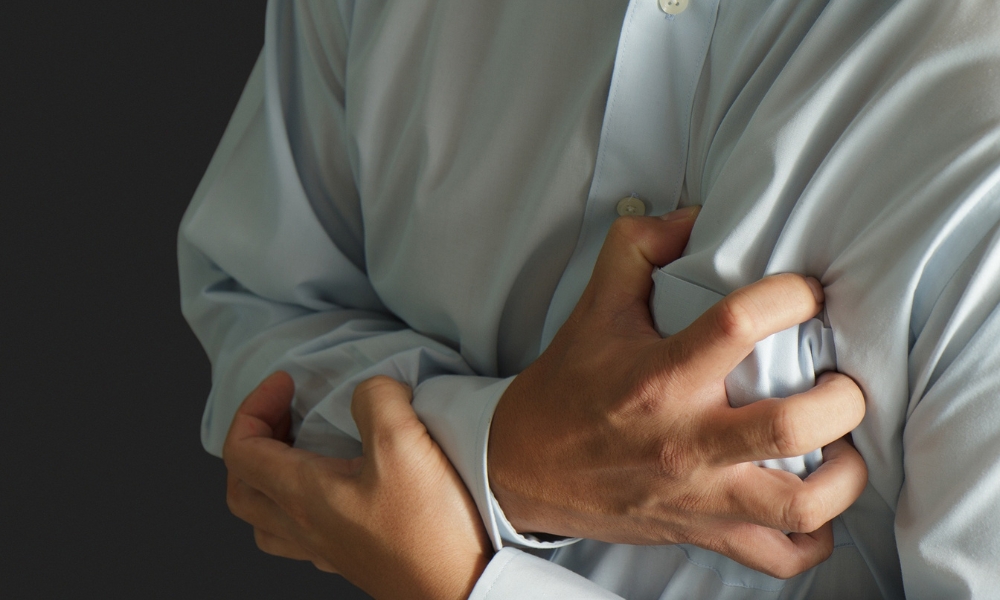
Non-Heart Causes of Left Side Chest Pain
Although heart-related conditions often receive the most attention, many episodes of left side chest pain are ultimately linked to non-cardiac causes. These conditions can still be painful and concerning, but they may involve entirely different parts of the body.
Understanding these possibilities helps explain why chest pain should never be self-diagnosed based solely on location.
Muscle and Rib Pain
One of the most common non-cardiac causes of left side chest pain involves the muscles, bones, and connective tissues of the chest wall.
A strained chest muscle may develop after heavy lifting, intense exercise, repetitive movements, coughing, or even unusual physical activity. The pain is often localized, meaning it can be pointed to with one finger. Movement, stretching, twisting, or pressing on the area may make symptoms worse.
Costochondritis, an inflammation of the cartilage connecting the ribs to the breastbone, can also produce significant chest discomfort. Some patients become alarmed because the pain can mimic heart-related symptoms. However, costochondritis often becomes more noticeable when pressure is applied to the affected area.
Rib injuries, bruising, or minor fractures can create sharp pain that worsens with movement, deep breathing, coughing, or sneezing.
Lung-Related Causes of Left Side Chest Pain
The lungs occupy a large portion of the chest cavity, so it is not surprising that certain lung conditions can cause pain on the left side of the chest. In some cases, the discomfort may feel sharp and sudden. In others, it may be accompanied by coughing, breathing difficulty, or a sensation of chest tightness.
One important clue is whether the pain changes during breathing. Many lung-related conditions become more noticeable when taking a deep breath, coughing, sneezing, or moving the chest wall.
Pleurisy
Pleurisy occurs when the thin membranes that surround the lungs become inflamed. Because these membranes rub against one another during breathing, inflammation can create a sharp, stabbing sensation that often worsens with deep breaths.
People commonly describe pleurisy as a pain that feels significantly worse when inhaling deeply. Viral infections, bacterial infections, autoimmune conditions, and other medical issues may contribute to this condition.
Pneumonia
Pneumonia is an infection of the lungs that can sometimes cause chest pain, especially when the infection affects the lining around the lungs.
In addition to chest discomfort, symptoms often include:
- Fever
- Chills
- Cough
- Shortness of breath
- Fatigue
- Difficulty breathing during activity
Older adults may not always develop classic symptoms, which can make diagnosis more challenging.
Pulmonary Embolism
A pulmonary embolism occurs when a blood clot blocks one of the arteries in the lungs. This condition is considered a medical emergency because it can rapidly affect oxygen levels and circulation.
Symptoms may include:
- Sudden chest pain
- Pain that worsens with breathing
- Shortness of breath
- Rapid heartbeat
- Dizziness
- Coughing up blood in some cases
A pulmonary embolism can sometimes be mistaken for less serious causes of chest pain. Because of its potentially life-threatening nature, emergency evaluation is essential when symptoms raise concern.
Pneumothorax
A pneumothorax, commonly called a collapsed lung, happens when air collects between the lung and chest wall. This can occur after trauma, lung disease, or sometimes without an obvious cause.
The pain is often sudden, sharp, and accompanied by shortness of breath. Larger pneumothoraces may require urgent medical treatment.
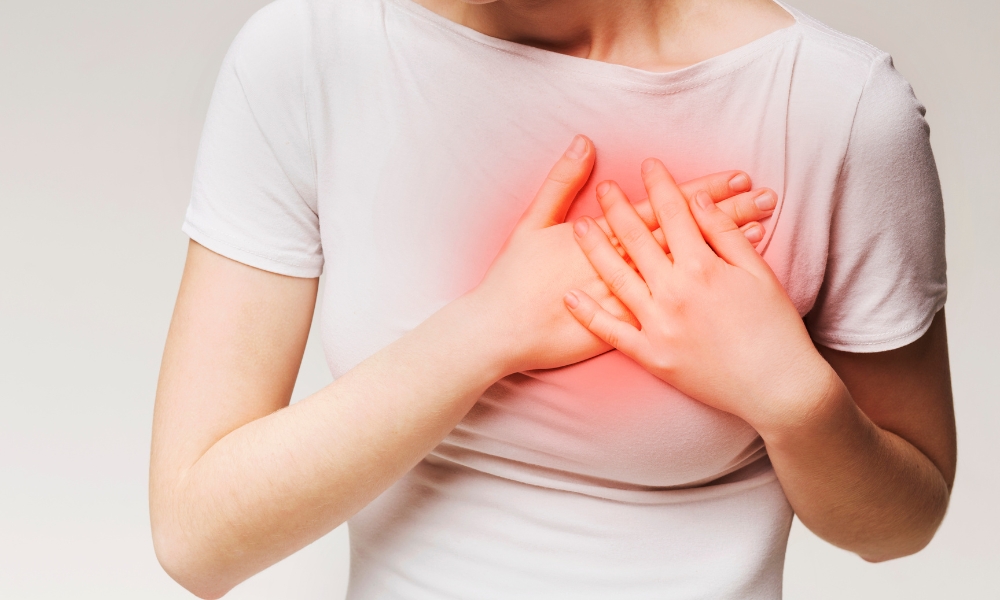
Digestive Causes of Chest Pain
Many people are surprised to learn that digestive problems can create symptoms that closely resemble heart-related chest pain. Because the esophagus and stomach sit close to the chest cavity, discomfort from these structures can sometimes be felt in the left side of the chest.
Acid Reflux
Acid reflux is among the most common causes of non-cardiac chest discomfort. When stomach acid travels upward into the esophagus, it can create a burning sensation often referred to as heartburn.
People frequently describe symptoms as:
- Burning chest pain
- A sour taste in the mouth
- Pain after eating
- Symptoms that worsen while lying down
- A sensation of food coming back up
Because heartburn can sometimes mimic heart attack symptoms, first-time or severe chest pain should not automatically be assumed to be acid reflux.
Esophageal Spasms
The esophagus contains muscles that move food toward the stomach. When these muscles contract abnormally, intense chest pain may occur.
Some people describe esophageal spasms as crushing or squeezing pain that can feel remarkably similar to cardiac discomfort. Diagnostic testing may be needed to distinguish between the two.
Hiatal Hernia
A hiatal hernia develops when part of the stomach pushes upward through the diaphragm. This condition may contribute to acid reflux, chest pressure, upper abdominal discomfort, and burning sensations in the chest.
Symptoms often worsen after large meals or when lying flat.
Important Note
Not every episode of left side chest pain indicates a life-threatening emergency. Muscle strain, acid reflux, anxiety, and minor inflammatory conditions are common causes of chest discomfort. However, symptoms involving severe pain, breathing difficulty, dizziness, fainting, or radiation into the arm or jaw should never be ignored. Self-diagnosis can be risky because several serious conditions initially resemble less dangerous problems.
Can Anxiety Cause Left Side Chest Pain?
One of the most searched questions online is whether anxiety can cause chest pain. The answer is yes. Anxiety and panic attacks can create very real physical symptoms, including chest tightness, chest pressure, rapid heartbeat, dizziness, sweating, and shortness of breath.
During periods of intense stress, the body’s fight-or-flight response becomes activated. This response can increase muscle tension, breathing rate, and heart rate, creating sensations that may feel alarming.
Many individuals experiencing a panic attack become convinced they are having a heart attack because the symptoms can be remarkably similar.
Common anxiety-related chest symptoms include:
- Tightness across the chest
- Sharp chest discomfort
- Rapid heartbeat
- Feeling unable to take a full breath
- Dizziness
- Tingling sensations
- Sweating
- Feelings of fear or impending doom
Although anxiety can cause chest pain, it is important not to assume anxiety is responsible for symptoms without appropriate medical evaluation, especially when symptoms are new, severe, or unusual.
When Should Chest Pain Be Taken Seriously?
One of the most important questions people ask is: “When should I worry about chest pain?”
While mild, brief, or clearly explainable discomfort may not always indicate an emergency, certain warning signs should prompt immediate medical evaluation.
Seek Emergency Care If Chest Pain Is Accompanied By:
- Shortness of breath
- Pain spreading into the arm, shoulder, neck, jaw, or back
- Sudden sweating
- Dizziness or fainting
- Nausea or vomiting
- Confusion
- Rapid or irregular heartbeat
- Severe weakness
- Loss of consciousness
- Difficulty breathing
Chest pain that begins suddenly, feels severe, or continues to worsen over time should always be treated seriously.
Individuals with risk factors such as diabetes, smoking history, high blood pressure, elevated cholesterol, obesity, or known heart disease should be especially cautious when new chest symptoms develop.
How Doctors Diagnose Left Side Chest Pain
Diagnosing chest pain involves much more than simply asking where it hurts. Emergency physicians evaluate the entire clinical picture to determine whether symptoms may be related to the heart, lungs, digestive system, musculoskeletal structures, or another cause.
The evaluation often begins with questions about:
- When symptoms started
- How long symptoms have lasted
- What the pain feels like
- Whether symptoms radiate elsewhere
- Activities occurring before symptoms began
- Personal medical history
- Family history of heart disease
Diagnostic Testing May Include
- Electrocardiogram (EKG)
- Blood tests
- Cardiac enzyme testing
- Chest X-rays
- CT scans
- Echocardiograms
- Cardiac monitoring
- Oxygen level monitoring
The purpose of testing is not simply to identify the source of pain but also to rule out potentially dangerous conditions that require immediate treatment.
Treatment Options for Left Side Chest Pain
Treatment depends entirely on the underlying cause. Because chest pain can result from many different conditions, there is no single treatment approach that works for every patient.
Heart-related conditions may require medications, cardiac procedures, monitoring, or hospitalization. Lung conditions may require oxygen therapy, antibiotics, blood thinners, or other interventions depending on the diagnosis.
Muscle-related pain often improves with rest and appropriate medical management. Digestive causes may respond to treatments that reduce stomach acid or address esophageal irritation. Anxiety-related symptoms may improve once serious medical causes have been excluded and appropriate support is provided.
The key point is that effective treatment begins with an accurate diagnosis.
Related Symptoms That May Require Emergency Evaluation
Chest pain often occurs alongside other symptoms that can provide important clues about the underlying cause.
Readers may also benefit from learning about related emergency symptoms, including:
- Why Is My Left Arm Hurting?
- Why Is My Heart Beating Fast While Resting?
- When Should I Worry About Heart Palpitations?
- What Does a Mini Stroke Feel Like?
- When Should I Go to the ER for a Headache?
- Can High Blood Pressure Cause Headaches?
- Why Am I So Dizzy All of a Sudden?
Emergency Chest Pain Care in Houston at Heights Emergency Room
Chest pain is one of the most common reasons people seek emergency medical care, and for good reason. While some causes are relatively minor, others involve potentially life-threatening conditions that require immediate evaluation and treatment.
If left side chest pain is accompanied by shortness of breath, dizziness, fainting, sweating, nausea, arm pain, jaw pain, confusion, or difficulty breathing, emergency evaluation should not be delayed.
Many Houston-area residents search for phrases such as:
- ER for chest pain near me
- 24-hour emergency room in Houston
- when should I go to the ER for chest pain
- left side chest pain emergency
- heart attack symptoms Houston
- emergency room for chest pressure
- chest pain and shortness of breath treatment
Heights Emergency Room provides 24/7 emergency care for adults and children experiencing chest pain, breathing difficulties, dizziness, heart-related symptoms, and other urgent medical concerns.
Emergency physicians can rapidly evaluate chest pain using advanced diagnostic testing, laboratory studies, cardiac monitoring, imaging, and other emergency services when necessary.
When symptoms feel severe, unusual, or concerning, seeking prompt medical attention may help identify serious conditions before complications develop.
Walk in 24 hours a day, 7 days a week for emergency evaluation and treatment.
Frequently Asked Questions
What causes chest pain on the left side?
Left side chest pain can be caused by heart conditions, lung disorders, acid reflux, muscle strain, rib inflammation, anxiety, digestive problems, infections, or other medical conditions. The exact cause often depends on the type of pain, associated symptoms, and medical history.
Is left side chest pain always a heart attack?
No. Many episodes of left side chest pain are caused by conditions unrelated to a heart attack. However, because heart attacks can present in different ways, chest pain should never be dismissed without considering potentially serious causes.
What does heart attack chest pain feel like?
Heart attack pain is often described as pressure, squeezing, heaviness, fullness, or tightness in the chest. It may spread into the left arm, jaw, shoulder, neck, or upper back and may occur alongside sweating, nausea, dizziness, or shortness of breath.
Can anxiety cause pain on the left side of the chest?
Yes. Anxiety and panic attacks can create chest tightness, chest pressure, rapid heartbeat, dizziness, sweating, and breathing changes that sometimes mimic heart-related conditions.
Why does my left chest hurt when I take a deep breath?
Pain that worsens with deep breathing may be related to pleurisy, lung infections, chest wall inflammation, muscle strain, rib injuries, pulmonary embolism, or other conditions affecting the lungs and surrounding tissues.
Can acid reflux cause left side chest pain?
Yes. Acid reflux and gastroesophageal reflux disease (GERD) can produce burning chest discomfort that sometimes feels similar to heart-related pain. Symptoms often worsen after meals or when lying down.
What causes sharp pain under the left breast?
Sharp pain under the left breast may be caused by muscle strain, rib inflammation, nerve irritation, digestive problems, lung conditions, or other chest wall issues. Occasionally, more serious medical conditions may also produce pain in this area.
When should I go to the ER for chest pain?
Emergency evaluation is recommended when chest pain is severe, persistent, worsening, or accompanied by symptoms such as shortness of breath, sweating, dizziness, fainting, arm pain, jaw pain, confusion, or difficulty breathing.
Can chest pain come from a pulled muscle?
Yes. Pulled muscles and chest wall injuries are common causes of localized chest pain. The discomfort often becomes worse with movement, stretching, coughing, or pressing on the affected area.
Can pneumonia cause chest pain?
Yes. Pneumonia may cause chest discomfort, especially when inflammation affects tissues surrounding the lungs. Fever, cough, fatigue, and breathing difficulties often occur alongside the pain.
Can chest pain be caused by stress?
Stress can contribute to muscle tension, anxiety, elevated heart rate, and other physical responses that create chest discomfort. However, new or concerning chest pain should always be evaluated appropriately.
What causes chest pain and left arm pain together?
Chest pain that radiates into the left arm may occur with heart-related conditions, including angina and heart attacks. Although other causes exist, this symptom combination should be taken seriously.
Why does my chest hurt after eating?
Chest pain after eating may result from acid reflux, esophageal spasms, hiatal hernia, indigestion, or other digestive conditions. In some situations, however, cardiac conditions can also be triggered after meals.
Can dehydration cause chest discomfort?
Severe dehydration can affect circulation, heart rate, blood pressure, and electrolyte balance, which may contribute to symptoms including chest discomfort, dizziness, weakness, or palpitations.
What tests are done for chest pain in the emergency room?
Emergency evaluation may include an EKG, blood tests, cardiac enzyme testing, chest imaging, oxygen monitoring, cardiac monitoring, CT scans, or other diagnostic studies depending on symptoms and risk factors.
Key Takeaways About Left Side Chest Pain
Left side chest pain is a symptom rather than a diagnosis. The discomfort may originate from the heart, lungs, digestive system, chest wall, muscles, nerves, or emotional stress. Some causes are relatively harmless and temporary, while others require immediate emergency treatment.
The location of the pain alone rarely provides enough information to determine the exact cause. Associated symptoms, risk factors, medical history, and diagnostic testing often play a critical role in identifying the underlying condition.
Although many episodes of chest pain are ultimately found to be non-cardiac, it is important not to assume that symptoms are harmless without appropriate evaluation. Heart attacks, pulmonary embolisms, severe infections, and other serious conditions can initially appear similar to more minor problems.
When chest pain occurs alongside shortness of breath, sweating, nausea, dizziness, fainting, confusion, arm pain, jaw pain, or difficulty breathing, immediate medical attention may be necessary.
Final Thoughts
If questions such as “what causes chest pain on the left side,” “why does my left chest hurt,” “is left side chest pain serious,” or “when should I worry about chest pain” have brought readers here, the most important takeaway is that chest pain should never be ignored when symptoms feel severe, unusual, persistent, or progressively worse.
Some causes of chest discomfort may resolve with simple treatment, while others require urgent medical intervention. Because it is often impossible to determine the exact cause without professional evaluation, seeking medical care when symptoms are concerning remains the safest approach.
Prompt assessment can help identify serious conditions early, provide appropriate treatment, and offer peace of mind when dangerous causes have been ruled out.
Disclaimer: This content is intended for educational purposes only and should not be used as a substitute for professional medical advice, diagnosis, or treatment. If symptoms are severe, worsening, or suggest a medical emergency, call 911 or seek immediate emergency medical care.
The post What Causes Chest Pain on the Left Side? appeared first on Heights Emergency Room.
]]>The post Should I Go to the ER for Severe Chest Tightness? What Parents and Adults Need to Know appeared first on Heights Emergency Room.
]]>Chest pain is one of those symptoms that immediately causes alarm. Adults and teens alike often wonder whether it’s a passing discomfort or a sign of something serious. Many people hesitate, questioning whether to wait for a primary care appointment or head straight to an emergency room.
The truth is that chest pain can range from mild and harmless to life-threatening. Deciding when to go to ER for chest pain can be confusing, especially when symptoms appear suddenly or worsen quickly.
Understanding the causes, warning signs, and what happens in the ER can help patients act quickly and confidently, potentially saving lives.
What Causes Chest Pain?
Chest pain can arise from multiple systems in the body, not just the heart. Common causes include:
-
Heart-related causes: Heart attack, angina, myocarditis, pericarditis
-
Lung-related causes: Pulmonary embolism, pneumonia, pleuritis
-
Digestive system causes: Acid reflux, esophageal spasms, gastritis
-
Muscle or skeletal causes: Strained chest muscles, rib injuries
-
Anxiety or panic attacks: Stress-related tightness or pressure
Because chest pain can signal a serious emergency, it is important to pay attention to how it feels, when it occurs, and what other symptoms are present.
Symptoms That Indicate an Emergency
Some signs suggest that chest pain is a medical emergency. Seek urgent evaluation if chest discomfort is accompanied by:
-
Sudden, severe, or crushing chest pain
-
Pain radiating to the arm, jaw, neck, or back
-
Shortness of breath or difficulty breathing
-
Sweating, nausea, or vomiting
-
Dizziness, fainting, or sudden weakness
-
Rapid or irregular heartbeat
These symptoms may indicate heart attack, pulmonary embolism, or other serious conditions requiring immediate care. If they occur, it is important to go to the ER without delay.
Other Warning Signs for Urgent Evaluation
Even when pain is mild or intermittent, certain situations require careful attention:
-
Chest tightness in people with known heart disease
-
Pain triggered by exertion or physical activity
-
Chest discomfort accompanied by fever or cough (possible infection)
-
Persistent pain lasting more than a few minutes
Prompt evaluation can rule out serious causes and prevent complications.
How the ER Evaluates Chest Pain
Emergency rooms are equipped to rapidly assess chest pain and determine whether it is life-threatening.
Evaluation typically includes:
-
Detailed medical history and symptom review
-
Physical examination, including heart and lung assessment
-
Electrocardiogram (ECG) to detect heart rhythm changes
-
Blood tests to check for heart muscle damage
-
Chest X-ray or CT scan to identify lung or structural issues
-
Oxygen monitoring and vital signs tracking
The goal is to quickly identify whether the chest pain stems from the heart, lungs, digestive system, or musculoskeletal sources.
Treatment Approaches in the ER
Once the cause of chest pain is identified, treatment is tailored accordingly:
-
Heart-related chest pain: Oxygen therapy, aspirin, nitroglycerin, blood thinners, or immediate cardiac interventions
-
Lung-related chest pain: Oxygen, medications, or procedures for blood clots or infections
-
Digestive causes: Acid-reducing medications and supportive care
-
Muscle-related pain: Pain management and physical therapy advice
-
Anxiety-related pain: Calming techniques and medical evaluation to rule out emergencies
Early intervention during an ER visit improves outcomes, especially for heart attacks or blood clots.
Deciding Between a Doctor Visit and the ER
Some chest discomfort may be evaluated by a primary care physician, but when to go ER for chest pain is critical for potentially serious cases.
-
Doctor visit may be appropriate:
-
Mild, brief chest pressure
-
Occasional pain with no additional symptoms
-
Symptoms improving with rest
-
-
Emergency evaluation is necessary:
-
Severe or crushing pain
-
Chest tightness accompanied by shortness of breath, sweating, or nausea
-
Chest pain after trauma or injury
-
Emergency rooms near me can provide immediate monitoring, diagnostic tests, and life-saving treatment that cannot be delivered in a routine clinic.
Prevention and Risk Reduction
Although chest pain cannot always be predicted, taking certain steps can significantly lower the risk of heart and lung emergencies. First, maintaining a healthy diet and exercising regularly strengthens the heart and lungs. Additionally, avoiding smoking and limiting exposure to secondhand smoke protects blood vessels and lung tissue.
Next, managing blood pressure, cholesterol, and diabetes plays a key role in preventing cardiovascular problems. Controlling stress and anxiety also helps, as emotional strain can trigger heart-related symptoms. Finally, pay attention to early warning signs, such as shortness of breath, palpitations, or unusual fatigue, and act promptly if they appear.
By addressing these factors proactively, you can reduce the likelihood of severe chest pain and improve overall cardiovascular health.
Tips for Visiting the ER for Chest Pain
Heading to the ER for chest pain can feel stressful, but preparing in advance makes the visit smoother and more effective. Start by bringing a list of medications, allergies, and relevant medical history. In addition, note exactly when the pain started, how it feels, and any factors that may have triggered it.
Also, record any accompanying symptoms, such as nausea, dizziness, or shortness of breath, and share them with the medical team. While waiting for evaluation, try to stay calm and sit comfortably. Moreover, communicate any recent events, like physical exertion or injuries, which could help staff identify the cause.
Providing clear, organized information allows ER staff to quickly assess the situation and deliver appropriate treatment without unnecessary delays.
Long-Term Outlook
Most people who experience non-life-threatening chest pain recover fully once the underlying cause is identified and treated. However, conditions such as heart attacks or pulmonary embolisms demand rapid intervention to prevent severe complications.
Therefore, recognizing warning signs of when to go ER for chest pain empowers patients to seek urgent care promptly. By acting quickly, recovery outcomes improve, risks decrease, and peace of mind increases.
FAQs
1. Is all chest pain a reason to go to the ER?
No, mild or brief chest discomfort may be evaluated by a doctor, but severe or worsening pain should prompt an ER visit.
2. Can anxiety cause chest tightness?
Yes, panic and anxiety can cause chest pressure, but serious causes must be ruled out first.
3. How quickly should I go to the ER for chest pain?
Seek emergency care immediately if chest pain is severe, crushing, or accompanied by shortness of breath, sweating, or nausea.
4. Can children experience serious chest pain?
Yes, although less common, children with heart or lung conditions can develop chest pain requiring urgent evaluation.
5. What tests will the ER run for chest pain?
Typical tests include ECG, blood work, oxygen monitoring, chest X-ray, and sometimes CT scans.
Final Thoughts
Chest pain is alarming, but understanding when to go ER for chest pain helps patients act decisively. Severe or sudden discomfort may indicate life-threatening conditions, while mild pain can often be monitored with a doctor’s guidance. Prompt evaluation in an emergency room near me ensures safe, timely care and improves the chances of a positive outcome.
Medical Disclaimer: This article is intended for educational purposes only and does not replace professional medical advice, diagnosis, or treatment. Any adult or child experiencing severe or persistent chest pain should be evaluated by a qualified healthcare professional immediately.
The post Should I Go to the ER for Severe Chest Tightness? What Parents and Adults Need to Know appeared first on Heights Emergency Room.
]]>The post Chest Hurts When I Lay Down: What’s Going On and When Should You Worry? appeared first on Heights Emergency Room.
]]>In this blog, we’ll explore the various causes of chest pain when lying down—from simple, common conditions like acid reflux to more serious concerns such as heart attacks or lung issues. We’ll break down how to recognize the symptoms, when to be concerned, and why it’s important to know the difference, especially in emergency situations. So, let’s dig into this, step-by-step, and get to the heart of the issue.
Table of Contents
- What Is Chest Pain When Lying Down?
- Common Causes of Chest Pain When Lying Down
- Heartburn and Acid Reflux
- Anxiety or Stress
- Musculoskeletal Pain
- More Serious Causes of Chest Pain
- Heart Attack Symptoms
- Pulmonary Embolism or Lung Issues
- When Should You See a Doctor?
- How The Heights Emergency Room Can Help
- Final Thoughts
1. What Is Chest Pain When Lying Down?
Chest pain when lying down can range from a dull ache to a sharp, stabbing sensation. It might be brief or linger, causing discomfort or concern. Your position may add to the pain, as lying flat affects how organs work, making discomfort more noticeable.
Lying down can increase pressure on the chest, impact blood flow, limit lung expansion, and raise stomach acid levels. While the pain may seem heart-related, it could also be caused by something simple like indigestion or muscle strain.
2. Common Causes of Chest Pain When Lying Down
1. Heartburn and Acid Reflux
One of the most common causes of chest pain when lying down is heartburn or acid reflux. This occurs when stomach acid backs up into the esophagus, causing a burning sensation in the chest. The pain can be more pronounced when you’re lying flat because gravity no longer helps keep the acid in the stomach.
How to recognize it: The pain from acid reflux usually feels like a burning or tight sensation in the chest, often after eating. You might also experience a sour taste in your mouth, bloating, or a feeling of fullness.
2. Anxiety or Stress
Sometimes chest pain when lying down can be linked to anxiety or stress. When you’re anxious, your body goes into a heightened state of alert, triggering physical symptoms like chest tightness or discomfort. Lying down can sometimes make the symptoms feel more intense as your body tries to relax and your heart rate slows.
How to recognize it: Anxiety-induced chest pain is often accompanied by other signs of stress, like rapid breathing, a racing heart, or a sense of dread. The pain tends to subside once you calm down or distract yourself.
3. Musculoskeletal Pain
Muscle strain or musculoskeletal issues, such as costochondritis (inflammation of the cartilage in the ribs), can also cause chest pain when lying down. The position you’re in while resting or sleeping can sometimes aggravate these issues, causing discomfort in the chest, especially when moving or taking deep breaths.
How to recognize it: The pain from muscle strain typically worsens with movement or when you press on the ribs. It’s often sharp and localized to a specific spot.
3. More Serious Causes of Chest Pain
While the causes listed above are typically harmless, it’s important to be aware of more serious conditions that could be at play.
1. Heart Attack Symptoms
Chest pain from a heart attack is often severe, crushing, or tight, and it may not go away even when you change positions. The pain could radiate to the arms, neck, jaw, or back, and it may be accompanied by shortness of breath, dizziness, or nausea. This type of chest pain may worsen when lying down because of changes in blood flow or pressure on the heart.
How to recognize it: The pain feels like heavy pressure or squeezing in the chest. It can last for several minutes and may be associated with cold sweat or difficulty breathing.
2. Pulmonary Embolism or Lung Issues
A pulmonary embolism, which occurs when a blood clot blocks one of the lungs’ arteries, can also cause chest pain that may worsen when lying down. Conditions like pneumonia, pleurisy (inflammation of the lung lining), or a collapsed lung can also lead to discomfort in the chest, especially when lying flat.
How to recognize it: Chest pain related to lung issues is often sharp, worsening with deep breaths or coughing. It may be accompanied by shortness of breath, coughing up blood, or feeling faint.
4. When Should You See a Doctor?
If you experience chest pain when lying down, it’s important to be aware of the red flags that indicate you need immediate medical attention. You should seek help if:
-
The pain is severe, sudden, or persists despite changing positions
-
You feel lightheaded or faint, or have difficulty breathing
-
You experience pain radiating to the arm, neck, or jaw
-
You break into a cold sweat or feel nauseous
-
The pain is accompanied by coughing up blood or a racing heartbeat
If you experience any of these symptoms, especially if they come on suddenly or intensify quickly, don’t wait. Get medical help immediately.
5. How The Heights Emergency Room Can Help
At The Heights Emergency Room, we understand how frightening chest pain can be, especially when you’re not sure of the cause. Our 24/7 emergency services are designed to help you get the care you need quickly and efficiently. With advanced diagnostic tools like EKGs, X-rays, and lab tests, we can determine whether your chest pain is due to something as simple as acid reflux or as serious as a heart attack or pulmonary embolism.
Our team of compassionate professionals is here to assess your condition, provide immediate relief, and guide you through the treatment process. When it comes to chest pain, getting timely and accurate care is essential, and at The Heights Emergency Room, we ensure that you don’t have to wait for the help you deserve.
6. Final Thoughts
Chest pain when lying down can be scary, but it’s not always serious. Common causes like heartburn, muscle strain, or anxiety are often treatable. However, severe or persistent pain—especially with other symptoms—may signal something more serious, like a heart attack or lung issue.
If you’re unsure or have concerning symptoms, visit The Heights Emergency Room in Houston. We offer 24/7 expert care with no wait times. Don’t wait—take care of your health today.
Disclaimer
This blog is for informational purposes only and not a substitute for medical advice, diagnosis, or treatment. If you’re experiencing chest pain or other serious symptoms, seek immediate medical attention. Always consult a healthcare provider for medical concerns.
The post Chest Hurts When I Lay Down: What’s Going On and When Should You Worry? appeared first on Heights Emergency Room.
]]>The post Chest Tightness & Pneumonia: What You Need to Know appeared first on Heights Emergency Room.
]]>Can Pneumonia Cause Chest Tightness?
Absolutely. Pneumonia is a lung infection that inflames the air sacs (alveoli), which may fill with fluid or pus. This inflammation can lead to a sensation of chest tightness, especially when breathing deeply, coughing, or lying down. Many patients describe the feeling as a squeezing or pressure in the chest, making it harder to breathe comfortably.
Understanding Chest Pain from Pneumonia
One of the more uncomfortable symptoms of pneumonia is chest pain. This pain can feel sharp, stabbing, or dull depending on the severity of the infection. Chest pain from pneumonia often worsens when coughing, sneezing, or taking deep breaths. It can mimic other conditions, so proper diagnosis is key.
Chest Pressure and Pneumonia: A Common Complaint
Many people describe pneumonia-related symptoms as chest pressure rather than sharp pain. This pressure results from the infection and inflammation in the lungs, especially when fluid builds up. If you feel like something is sitting on your chest and you’re struggling to breathe, it’s not something to ignore.
Pneumonia Symptoms: Chest Pain & Beyond
While pneumonia symptoms chest pain is a top concern, it’s often accompanied by other signs. Watch for:
-
Fever and chills
-
Productive or dry cough
-
Fatigue
-
Sweating
-
Rapid heartbeat
-
Shortness of breath and chest tightness
These symptoms can appear suddenly or gradually worsen, especially in older adults or those with weakened immune systems.
Feeling of Tight Chest: Pneumonia or Something Else?
The feeling of tight chest from pneumonia can be confusing. Some may think it’s acid reflux, anxiety, or even asthma. What makes pneumonia different is that the chest tightness often comes with a persistent cough, fever, and overall fatigue. If rest, hydration, or antacids don’t help, it’s time to consider a deeper issue—like a lung infection.
Shortness of Breath and Chest Tightness: A Warning Sign
If you’re experiencing shortness of breath and chest tightness that doesn’t go away, especially when paired with a cough or fever, this could be a sign of something more serious. Pneumonia can reduce your oxygen levels, making it harder for your body to function properly. Don’t ignore these symptoms—they can escalate quickly.
Pneumonia Chest Pain When Breathing: Don’t Brush It Off
Do you feel pain every time you inhale? Pneumonia chest pain when breathing is often a clear indicator that the lungs are inflamed. It may feel like a stabbing sensation or a persistent ache that worsens with deep breathing. If this sounds familiar, it’s time to get evaluated.
Signs of Pneumonia in Adults: What to Watch For
In adults, signs of pneumonia may include:
-
Sudden or worsening cough
-
Difficulty breathing
-
Chest discomfort
-
Confusion (especially in older adults)
-
Nausea or vomiting
The chest tightness might feel mild at first but can intensify as the infection progresses. Even a low-grade fever combined with chest discomfort should be evaluated.
Chest Congestion vs Pneumonia: What’s the Difference?
It’s common to confuse chest congestion vs pneumonia. Congestion usually refers to a buildup of mucus in the lungs and airways, often from a cold or bronchitis. Pneumonia, however, involves actual infection in the lung tissue, often with fever, fatigue, and a much more intense impact on breathing and chest function. If your symptoms linger or worsen beyond a few days, it’s important to get checked.
Get 24/7 Emergency Care at Heights Emergency Room
If you or someone you know is dealing with chest tightness and pneumonia symptoms, don’t wait. At Heights Emergency Room, we’re equipped with state-of-the-art imaging, lab testing, and experienced physicians available 24/7.
Skip the long waits and confusion of traditional ERs. We offer personalized care with no lines, quick evaluations, and fast answers—because your health can’t wait.
The post Chest Tightness & Pneumonia: What You Need to Know appeared first on Heights Emergency Room.
]]>